You know what’s kind of hilarious? Cats are like little furry ninjas. They can leap six times their body length, land on their feet, and give you that “I meant to do that” look every single time. But there’s so much more happening beneath that fluffy exterior!
Our feline friends have some seriously cool organs doing their thing for health and biology. Ever thought about why they purr or what makes them so good at being, well, cats? It’s pretty mind-blowing when you think about it.
Let’s take a peek into the wild world of cat organs. You might just find yourself looking at your kitty in a whole new light!
Fascinating Insights into Cat Anatomy: Unveiling Unique Features and Functions in Feline Biology
Cats are seriously one of nature’s coolest creations. They’re like these little bundles of mystery, with bodies designed for precision and stealth. Let’s take a closer look at some of the unique features and functions of their anatomy that make them such fascinating creatures.
Flexible Spine
One of the most interesting things about cats is their spine. Unlike humans, cats have more vertebrae in their back, giving them an incredibly flexible spine. This flexibility allows them to twist and turn while running or jumping. Ever seen your cat leap effortlessly onto a high shelf? Yeah, that’s thanks to their amazing spinal structure!
Retractable Claws
Cats have these cool retractable claws. When they’re not climbing trees or chasing toys, they can keep those claws tucked away. This helps keep their claws sharp for hunting and gives them better grip when they need it. If you’ve ever watched your cat sneak up on a toy mouse, you know how stealthy they can be!
Unique Hearing Ability
A cat’s ears are like miniature radar dishes! They can rotate almost 180 degrees independently to pinpoint sounds from different directions. Plus, cats can hear frequencies as high as 64 kHz. That’s like being able to hear a dog whistle! This is super handy when they’re stalking prey or just listening for your footsteps when it’s time for dinner.
Nictitating Membrane
Ever noticed that little “third eyelid” in the corner of a cat’s eye? That’s called the nictitating membrane. It helps protect the eye from dirt or debris while still allowing them to see clearly. Plus, it keeps their eyes moist—pretty neat, right?
Purring Mechanism
When your kitty purrs, it’s not just because they’re happy (though that’s definitely part of it). Purring involves rapid contractions of the laryngeal muscles which open and close the space between vocal cords—resulting in that soothing sound we love so much. Researchers think purring might even promote healing. So when your cat curls up next to you and starts purring away, it might be doing some healing magic!
Digestive System Adaptations
Now let’s chat about their tummies! Cats are obligate carnivores—that means they need meat to thrive. Their digestive system is super efficient at breaking down protein and fat but struggles with carbohydrates. The enzymes in their saliva don’t help with digestion like ours do; instead, they rely heavily on powerful stomach acids to break down food quickly.
Sensitivity to Smells
You know how we think things smell nice or not so nice? Cats have an extraordinary sense of smell—around 50-80 million olfactory receptors compared to our mere 5 million! This helps them sniff out prey or even identify familiar humans (like you!). Remember that time your cat recognized you after being away for a few days? That super sniffer was at work.
So there you have it—a glimpse into the marvelous anatomy of our feline friends! Each feature plays a specific role in helping them thrive in everything from climbing trees to catching those elusive laser pointers we love teasing them with. Isn’t nature just amazing?
Exploring the Unique Organs of Cats: Insights from Feline Biology and Anatomy
Cats are some of the most fascinating little creatures out there, aren’t they? Their anatomy and biology are packed with surprises that help them thrive in different environments. Let’s explore their unique organs and what makes them so special!
The Amazing Eyes
You’ve probably noticed how cats have those striking eyes that seem to glow in the dark. This is because of a layer called the tapetum lucidum. It reflects light that passes through the retina, giving them superior night vision. Imagine being able to see clearly at night when it’s pitch black! This adaptation helps them hunt small prey, like mice and birds, under low-light conditions.
Sensitive Whiskers
Those long, twitchy whiskers aren’t just for show. They’re actually called vibrissae, and they’re super sensitive sensory organs. Cats use them to gauge spaces and detect changes in their environment. If your cat squeezes into a narrow spot, it’s using those whiskers to check if it can fit. Cool, right?
The Purring Machine
If you’ve ever snuggled up with a purring cat, you might have felt how soothing it is. But did you know that purring serves more than just comfort? Cats purr using their larynx (that’s their voice box) and diaphragm muscles. It helps them communicate but also promotes healing! The frequency of a cat’s purr can stimulate tissue regeneration—talk about a magic trick!
A Unique Digestive System
Cats are obligate carnivores, which means they need meat to survive. Their digestive system has evolved to efficiently process proteins and fats while keeping carbohydrates at bay. Their stomach produces strong acids that help break down animal tissue, making sure they get all the nutrients they need from their meals.
The Super Smell
Cats have an extraordinary sense of smell—about 14 times better than humans! Their noses contain over 200 million scent receptors compared to our mere 5 million! This makes them exceptional hunters as they can detect tiny changes in their environment or locate prey even from afar.
The Flexible Spine
One of the coolest things about cats is their incredibly flexible spine. Unlike humans, felines have extra vertebrae which contribute to their agility and balance. You might notice how they twist mid-air when falling—it’s thanks to this flexibility that they often land on their feet!
So there you go! Cats are much more than cute companions; they’re full of amazing biological quirks that help them do what they do best—being agile hunters and curious explorers in our homes and beyond! Whether it’s those mesmerizing eyes or sensitive whiskers, there’s a lot more beneath the surface that’s just waiting for us humans to appreciate.
Exploring the Intricate Functions of Cat Organs: Insights into Health and Biological Processes
Cats are more than just cute furballs that pounce around the house; they’re actually quite complex when it comes to their biology. Their organs not only serve essential functions but also reflect their unique evolution as hunters and companions. So, let’s break down some of these fascinating organs and what they do, shall we?
The Heart
First off, let’s talk about the heart. A cat’s heart is crucial for pumping blood throughout its body. It’s much like ours but smaller and can beat up to 240 times per minute! This high rate helps them be quick on their feet when chasing after prey—or your shoelaces, you know? Heart health is super important for them, just like for us. Issues like heart murmurs can be common in older cats and are something to keep an eye on.
The Liver
Next up is the liver, which does a ton of heavy lifting in terms of detoxifying their systems. Cats need a healthy liver to process all those proteins they consume since they’re obligate carnivores. So basically, if Kitty eats too much tuna or gets into something she shouldn’t—like your leftovers—her liver might struggle to keep things balanced. A fatty liver condition can arise if cats stop eating for extended periods, which is pretty concerning.
The Kidneys
Now let’s chat about the kidneys. They’re like tiny filters that clean out toxins from the blood while keeping necessary nutrients in check. Cats naturally have a low thirst drive because they evolved from ancestors who got moisture mainly from their prey (think rodents). This makes them prone to dehydration and kidney issues if they’re not drinking enough water or eating wet food regularly.
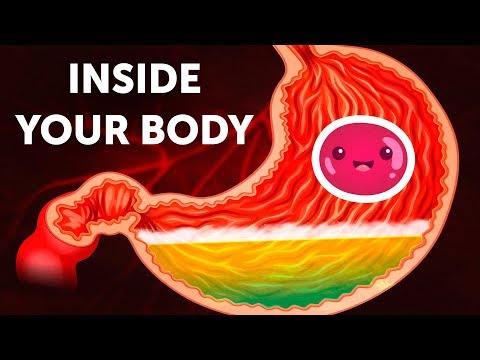
The Stomach
Moving on to the stomach! It’s a bit different from ours because it has a really strong acid content that helps break down protein-rich meals quickly. You might notice that cats sometimes throw up after eating too fast; this happens because their stomachs aren’t always a fan of that rushed behavior. Keeping feeding times regular can help with this.
The Lungs
Let’s not forget about those lungs! Cats have a unique respiratory system which allows them to take quick breaths, perfect for sneaky pounces during playtime or while hunting in the wild. If your feline friend starts coughing or seems out of breath when playing—well, this could be something worth discussing with your vet.
The Brain
Lastly, there’s the brain—probably the coolest organ! It controls everything from grooming habits to those quirky “cat zoomies.” Fascinatingly enough, cat brains are quite similar to human brains in structure and function. They can feel emotions and even form strong attachments with us humans (cue warm fuzzies!).
So there you have it—a sneak peek into various organs working tirelessly within your furry companion! Keeping an eye on these functions can give you insights into their health; after all, being aware is half the battle in understanding our beloved pets better! If anything seems off with any of these organs—or if you just want peace of mind—it might be a good idea to check in with a vet you trust. Because well-being means happy cat vibes at home!
Cats, you know, are these mysterious little creatures that just have this incredible way of managing their health and staying sharp. I mean, seriously, every time I see my cat leaping around or curling up in the sun, I can’t help but wonder how their bodies work. It’s kind of like they have their own secret formula to life.
Take their liver, for instance. This organ’s a real superstar when it comes to filtering toxins from the blood. It’s like a personal detox center! Imagine all the weird stuff that gets into their system from food, or who knows what else? The liver breaks that down and keeps everything in check. So when I see my cat munching away on her dinner with no worries, I feel a mix of relief and awe knowing that her liver is doing its thing.
And then there’s the kidneys—oh man! These little bean-shaped organs are masters at regulating water levels and electrolytes. If you’ve ever watched your cat drink (or not drink), you’d realize how clever they are about hydration. They’re hunters at heart; they don’t always drink water like we expect them to because they get moisture from their prey. It’s all about balance!
But here’s something even cooler: have you ever noticed how agile and flexible cats are? Part of that can be attributed to their amazing skeletal structure and muscles working in tandem with organs like the heart and lungs. Their hearts pump blood efficiently while those lungs make sure they get a good oxygen supply during those crazy zoomies around the house. Seriously, watching them unleash that energy is exhilarating!
I remember one time at a friend’s place; we were just chilling when her cat suddenly pounced from one side of the room to the other without a thought. It was almost like a ballet performance! And it hit me then—it’s not just luck or grace; it’s biology helping them perform these incredible feats effortlessly.
The fascinating thing about cats is how everything works together so harmoniously—it’s like an orchestra with each organ playing its part brilliantly! Each tiny detail matters in keeping them healthy and spry as they saunter around with such confidence.
So yeah, next time you hang out with your feline buddy, take a moment to appreciate all those fascinating functions happening behind the scenes. You might just find yourself admiring not just your pet’s charisma but also this incredible science of life at play!