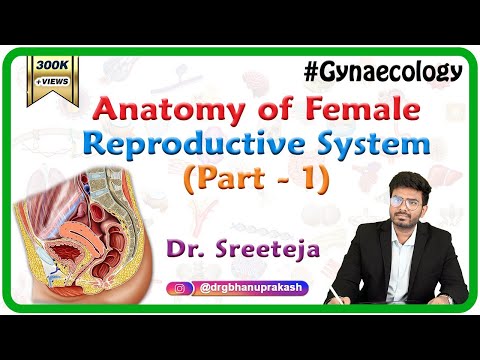
Okay, so here’s a funny story. I was talking to a friend the other day, and she casually mentioned how her biology teacher always seemed to go on about female organs like they were some sort of mythical creatures. Seriously! Like, she expected them to have their own Instagram accounts or something.
But here’s the thing—these organs are way more interesting than you might think. They’ve got cool functions that keep things running smooth inside. And honestly? They deserve some love and attention!
You know, when we chat about science stuff, it often feels like a boring lecture. But female anatomy can be pretty fascinating and complex! So let’s unpack this in a chill way—no jargon, just the good stuff.
Ready to explore what makes these organs tick? It’s gonna be eye-opening, I promise!
Exploring the 7 Essential Functions of the Female Reproductive System in Human Biology
The female reproductive system is a fascinating network of organs working together for the amazing purpose of reproduction. It’s like this intricate team, each player has a distinct role, and they all come together to create life. Let’s break down the seven essential functions of this vital system.
1. Production of Oocytes: The first big job is producing oocytes, or egg cells. This happens in the ovaries. Each month, usually one oocyte matures and gets ready for a potential meeting with sperm. Can you imagine? All that hard work goes into one tiny egg waiting for its moment!
2. Hormone Secretion: Speaking of the ovaries, they do more than just produce eggs; they’re also hormone factories! They release hormones like estrogen and progesterone, which are super important for regulating the menstrual cycle and preparing the body for pregnancy. It’s like these hormones are the coaches making sure everything runs smoothly.
3. Fertilization: Now, if an egg meets a sperm—bam! That’s fertilization, and it usually happens in the fallopian tubes. This is where magic begins to unfold as that fertilized egg starts dividing and preparing to travel down to the uterus.
4. Supportive Environment: The uterus plays a crucial role here by providing a cozy home for that fertilized egg to grow into a fetus. Seriously, it’s like having a little apartment with all the necessities—nutrients and protection.
5. Menstrual Cycle Regulation: And then there’s menstruation! If no fertilization happens after ovulation, your body sheds its lining—a natural process that happens every month if pregnancy doesn’t occur. Think of it as spring cleaning for your uterus!
6. Labor and Delivery: When it is finally time for birth, your body goes through labor, which is an incredible process where powerful muscles in the uterus contract to help push out the baby through the birth canal (that’s what we call it!). It’s both intense and awe-inspiring—talk about strength!
7. Breastfeeding Support: Finally, let’s not forget about supporting newborns! After delivery, breasts produce milk through mammary glands to nourish infants during those early months of life—a crucial function that helps bond mother and child.
So there you have it! Each function in this intricate system serves its purpose in human biology—it’s like nature’s perfect plan unfolding before our eyes! You see how beautifully everything works together? The female reproductive system isn’t just about reproduction; it’s an essential part of human existence that deserves appreciation.
Exploring Male Reproductive Anatomy: Structures and Functions in Place of the Uterus
So, let’s chat about male reproductive anatomy. It’s pretty fascinating, and understanding it can really help us appreciate how reproduction works in general. We often hear a lot about the female reproductive system, but the male side has its own set of structures and functions that are essential for reproduction too.
First off, the main players in the male reproductive system are located in the scrotum and penis, but there’s a whole lot more going on inside. The scrotum is like a little pouch that holds the testicles. This is super important because it keeps them at a temperature slightly lower than the body’s normal temperature, which is crucial for sperm production.
- Testicles: These are basically the powerhouses for sperm and testosterone production. Inside each testicle, you’ll find tiny coiled tubes called seminiferous tubules. This is where the magic happens—sperm cells mature here.
- Epididymis: After being made in the testicles, sperm travel to this long tube that sits right on top of each testicle. Think of it as a waiting room where sperm get their final touches before they’re ready to go out into the world.
- Vas deferens: From there, sperm swim up through this muscular tube to eventually mix with fluids from other glands. It’s like they’re on a little road trip!
- Semen: When sperm meet up with fluid from glands like the prostate and seminal vesicles, they form semen, which acts as a nourishing medium and transport for those little swimmers.
- Penis: Finally, we have the penis! It’s not just for show; during sexual arousal, blood rushes in and makes it rigid (that’s called an erection) which allows for insertion during intercourse.
The thing is, this whole system has to work together seamlessly. For example, if one part doesn’t function properly—say if there are issues with testosterone levels or sperm counts—it can affect everything else. I mean, it’s kind of like being part of a band; if one instrument doesn’t play right, it throws off the whole tune.
You know what? I remember talking about this stuff back in school with friends who were kind of squeamish about learning all these details. But once we got into it—discussing how everything connects and works—it became way more interesting! It’s all biology at its core; it’s about life continuing on Earth!
So as you see, while males don’t have a uterus like females do—a structure that’s critical for nurturing developing embryos—there’s still a complex network of organs working together to ensure successful reproduction happens when needed. Each structure plays its part well; it’s nature’s own intricate design!
No matter where you stand on reproductive issues or discussions around gender biology, knowing how these systems operate gives you insight into human life itself. And trust me: once you get past any initial awkwardness around discussing anatomy or biology topics—they really open up an understanding of what makes us tick!
Exploring the Eight Key Organs of the Female Reproductive System: A Scientific Overview
The female reproductive system is an amazing and complex network of organs that work together for a vital purpose: reproduction. When you think about it, it’s kind of mind-blowing, right? The whole system is designed to nurture life. So let’s break down the eight key organs involved and what they do.
1. Ovaries: These are like tiny powerhouses. You have two of them, and their main job is to produce eggs (ova) and hormones like estrogen and progesterone. Imagine them as the factory where the eggs are made, ready for action once a month.
2. Fallopian Tubes: You’ve got a pair of these tubes connecting each ovary to the uterus. They’re super important because this is where fertilization happens! If a sperm meets an egg, it’s usually in one of these tubes. Think of them as the delivery route for that precious cargo!
3. Uterus: This organ is often described as pear-shaped and works like a cozy home for a developing fetus during pregnancy. If an egg gets fertilized, it travels down to implant itself in the uterus lining, which has thickened in preparation—like setting up a welcoming bed.
4. Cervix: At the bottom of the uterus sits the cervix, kind of like a gatekeeper between the uterus and vagina. It opens slightly during childbirth to allow the baby to pass through while also keeping things secure otherwise.
5. Vagina: This muscular tube connects your external genitals to your uterus. It plays multiple roles; it’s where menstrual fluid exits, where intercourse occurs, and it’s also where babies enter when they’re born!
6. Vulva: The vulva refers to all those external parts you see—think labia, clitoris, urethral opening… Basically everything on the outside that protects your internal organs and provides various sensations during sexual activity.
7. Mammary Glands: Located in breasts, these glands don’t just sit pretty—they produce milk after giving birth! This is crucial for nourishing newborns in those early days when they need all that good stuff from their momma.
8. Hormonal Regulation: Okay, this isn’t an organ per se but essential nonetheless! The hormones produced by ovaries—and regulated by other glands like the pituitary—affect every aspect of reproduction: from menstruation cycles to pregnancy maintenance.
So there you have it! These organs not only play individual roles but also work together like an intricate symphony within your body. When everything’s functioning well, it’s just incredible how life can be created and nurtured from such remarkable processes! It’s all about balance—a little off-key note can lead to various challenges or conditions.
Did you know that understanding these organs isn’t just about reproduction? It also helps us grasp how female health works overall—from menstruation to menopause—so having some basic knowledge can really make you appreciate how amazing our bodies are!
Okay, so let’s talk about female organs and their functions. You might think, “Why does this even matter?” But honestly, understanding how these organs work is pretty crucial—not just for women, but for everyone. It’s fascinating how these systems come together to create life, not to mention their role in overall health.
First off, we’ve got a whole bunch of organs involved in the reproductive system: the ovaries, fallopian tubes, uterus, and vagina. Each one has its own job, and they all work in harmony like a well-rehearsed orchestra. For instance, let’s take the ovaries—they’re like tiny factories that produce eggs and hormones such as estrogen and progesterone. These hormones do way more than just regulate your menstrual cycle; they play a huge role in mood swings, skin health, and even bone density.
Just thinking about it takes me back to high school biology when I learned about the menstrual cycle for the first time. I remember sitting there with my friends giggling over diagrams and cringing at the thought of periods. But then it hit me—this process isn’t just about discomfort or monthly inconvenience; it’s actually an amazing biological story each month! Seriously! The way our bodies prepare for potential pregnancy is wild—like nature’s own little drama unfolding inside us.
Then there are the fallopian tubes. Ever heard of them? They’re kinda like highways for eggs on their journey from the ovaries to the uterus. If sperm shows up—surprise!—fertilization happens there too! It’s so cool that something so tiny can lead to new life.
And hey, we can’t forget about the uterus! It’s not just a cozy place where a baby grows—it has its own rhythm and cycle every month if no baby is on board. Isn’t that wild? You know when people complain about cramps? That’s your uterus contracting because it’s shedding its lining when there isn’t a pregnancy. Just picture this complex clockwork going on inside you—it can make you appreciate your body more!
Of course, society often shies away from discussing these topics openly—it’s taboo territory sometimes! But breaking down those barriers is key for better health education and understanding. The more we learn about female organs and functions, the better equipped we are to take care of our bodies.
And let’s face it: knowledge empowers empowerment! So whether you’re curious yourself or just looking to support someone else through their journey with all this stuff—even if it’s just lending an ear—it helps us connect as humans.
In short? The science behind female organs is not just medical jargon; it tells us stories of growth, cycles, changes—and trust me when I say it deserves way more attention than many give it credit for. So go ahead—dive into those conversations next time they come up or share what you’ve learned here with friends! It’s worth every bit of curiosity you have inside you.