Okay, so here’s a little something that might surprise you. Did you know that the human body has, like, a built-in survival strategy? I mean, it’s pretty cool if you think about it.
Now, let’s chat about female anatomy and health for a bit. It’s wild how often we overlook this stuff, right? Like, we all have our own bodies, but many of us don’t know the nitty-gritty details about how they work.
You’ve probably heard some strange myths floating around too—like that whole idea that women are just more prone to emotional issues because of hormones. So not fair! There’s so much more going on beneath the surface.
So, grab your favorite beverage and let’s break down some scientific perspectives on all things female anatomy and health. What do you say?
5 Intriguing Facts About the Female Reproductive System: Insights from Science
Sure, let’s chat about the female reproductive system. It’s a complex and intriguing part of human biology, kind of like the most extraordinary puzzle you can think of. So, here are five fascinating facts that really showcase its wonders.
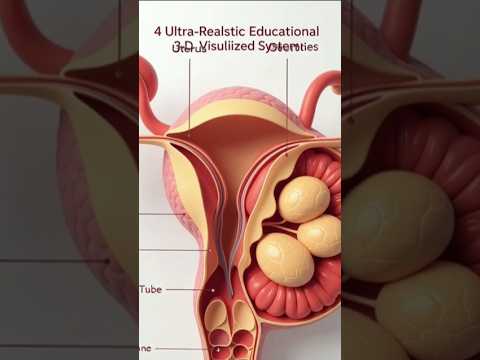
- The Ovaries Are Superstars: There are two ovaries in the female body, and they are not just there for decoration! They produce eggs and hormones like estrogen and progesterone. Each month, usually one egg matures and is released in a process called ovulation. Imagine that little egg getting ready for its big moment!
- Uterus: A Cozy Home: The uterus is often referred to as the womb. It’s lined with a special tissue called the endometrium that thickens each month to prepare for a fertilized egg. If no pregnancy happens, this lining sheds during menstruation. It’s like nature’s way of saying “let’s try again!”
- The Fallopian Tubes Have Style: These tubes connect the ovaries to the uterus. They aren’t just highways; they’re more like delicate paths where fertilization happens if that eager sperm meets an egg! And get this—these tubes have tiny hairs called cilia that help move the egg along. Pretty cool, huh?
- Hormonal Symphony: Hormones play a huge role in regulating the entire female reproductive system. Estrogen and progesterone work hand in hand to control everything from menstrual cycles to pregnancy maintenance. Think of hormones as conductors in an orchestra, making sure all parts work together harmoniously.
- Cervix: The Gatekeeper: The cervix is at the bottom of the uterus, serving as a gateway between it and the vagina. During childbirth, it dilates to allow passage for babies! It also produces mucus that changes throughout your cycle—thinner when it’s ovulation time and thicker otherwise, which can actually help in keeping sperm healthy or blocking them when necessary.
Isn’t it amazing how all these parts work together? The complexities are mind-blowing but totally natural! You might even have some personal tales related to this stuff because it connects with every person’s life at some point or another—whether through health experiences or family stories.
Anyway, I hope this gives you a better peek into just how fascinating our bodies really are! Each aspect plays its part in a grand symphony of life and health—all working together behind-the-scenes every single day.
Comprehensive Insights into Female Human Anatomy and Health: A Scientific Analysis PDF
Sure! Let’s take a look at the fascinating world of female anatomy and health, diving into some key insights that shed light on this important topic.
Female Anatomy is incredibly complex and unique. From top to bottom, there are several systems and structures that play crucial roles in overall health. The female reproductive system, for instance, includes the ovaries, fallopian tubes, uterus, and vagina. These parts work together during the menstrual cycle and reproduction. It’s wild how everything is interconnected!
The Menstrual Cycle is a great place to start when talking about female anatomy. This cycle usually lasts around 28 days but can vary between 21 to 35 days for different women. Each month, an egg matures in the ovary, and the body prepares for a potential pregnancy. If fertilization doesn’t happen, menstruation occurs—this is when the uterus sheds its lining. Seriously, it’s like a natural clock ticking away every month.
You might not know this, but hormones play huge roles in this whole process. Hormones like estrogen and progesterone regulate everything from your mood to physical changes in your body throughout the cycle. They can even affect your skin! That’s why some people experience hormonal acne around their period.
Then there’s bones. Did you know that women generally have a lower bone density than men? That’s why conditions like osteoporosis are more common among older women. Keeping bones strong with exercise and adequate calcium intake is super important.
And let’s not skip over mental health here! Women are statistically more likely to experience anxiety and depression compared to men. It’s thought that hormonal fluctuations can contribute to this—so it’s really important for women to be aware of their mental well-being as they navigate through life changes.
Pregnancy is another fascinating aspect of female anatomy and health. A developing fetus changes a woman’s body in dramatic ways—not just physically but also emotionally! Like when you feel kicks or even just sudden cravings for pickles at midnight!
But here comes another interesting fact: postpartum health. After giving birth, many women face challenges like postpartum depression or physical recovery issues which need proper attention too.
Lastly, let’s quickly touch on women’s health screenings. Regular check-ups are vital! Things like Pap smears help detect cervical issues early on while mammograms screen for breast cancer risks as women age.
In short, female anatomy and health intertwine in so many ways—like an intricate web holding everything together. It contributes not only to physical well-being but also mental wellness throughout different stages of life. So taking care of yourself matters—not just during specific times but always!
Comprehensive Guide to Female Human Anatomy and Health: Free PDF Resource from Scientific Perspectives
Sure thing! Let’s chat about female human anatomy and health. There’s a lot to cover, so buckle up!
Understanding Female Anatomy
Female anatomy is super interesting and is all about the structures that make up the female body. It includes external parts like the vulva and internal organs like the ovaries, uterus, and fallopian tubes. Each part plays a unique role in health and reproductive functions.
The Reproductive System
So, the female reproductive system is like a finely tuned machine. Here are some key points to think about:
- Ovaries: These are two small organs that produce eggs and hormones like estrogen and progesterone. They’re vital for regulating your menstrual cycle.
- Uterus: This muscular organ is where a fertilized egg can grow into a baby. It prepares every month for this possibility!
- Fallopian Tubes: These tubes connect the ovaries to the uterus. They’re where fertilization happens if sperm meets an egg.
Imagine being a tiny egg, just waiting for your moment! It can get pretty hectic in there each month.
The Menstrual Cycle
And speaking of cycles, let’s touch on menstruation briefly. It’s more than just “that time of the month.”
The menstrual cycle usually lasts about 28 days but can vary widely among individuals. Hormones orchestrate this entire process, which involves thickening the uterine lining for potential pregnancy or shedding it if no fertilization occurs.
That’s why some women experience symptoms like cramps or mood swings around their periods—it’s all those hormones at play!
Health Considerations
Now, health is another biggie when it comes to female anatomy. There are several things women should keep in mind:
- Regular Check-ups: Annual gynecological exams are important for monitoring reproductive health.
- Mental Health: Don’t forget about emotional well-being! Hormonal changes can impact mental health too.
- Education: Knowledge is power! Understanding your body helps you advocate for yourself during medical visits.
Like that time I forgot to ask my doctor about weird symptoms because I thought they weren’t important—it turned out they were!
So yeah, being informed gives you confidence when discussing your health with professionals.
Caring for Your Body
You might wonder how to keep things running smoothly. Well-lifestyle choices matter! Eating balanced meals and staying active can support overall health tremendously.
Also, don’t shy away from asking questions—whether it’s about contraceptives or menopause—knowledge goes a long way in looking after yourself.
In summary, understanding female anatomy isn’t just fascinating; it plays a major role in caring for one’s overall well-being. Taking charge of your body through education will help you make better-informed decisions about your health journey!
So, you know, when we start talking about female anatomy and health, it’s like opening a pretty big and intricate book. There’s so much to uncover, like layers to an onion.
One thing that really sticks out to me is how even within the scientific community, there’s sometimes a gap in understanding women’s health compared to men’s. It’s wild! For ages, a lot of research was done mostly on male subjects. This led to some pretty big assumptions about women’s bodies that didn’t always hold up under scrutiny. It kind of makes you wonder: how many misconceptions have been flying around just because of that?
Take the menstrual cycle, for instance. A lot of people think it’s just about periods—yeah? But really, it can influence everything from mood swings to how we respond to medication. Have you ever felt totally out of whack right before your period? There’s actual science behind that! Hormones roller-coastering your emotions is no small deal; it can affect your brain chemistry too.
And speaking of hormones, let’s chat about something serious: female health issues like PCOS (Polycystic Ovary Syndrome). It took way too long for this condition to get the attention it deserves. Lots of women suffer in silence with symptoms like weight gain and infertility because they feel their experiences aren’t validated or taken seriously by healthcare professionals. I mean, it breaks my heart!
Sometimes I think back to a close friend who struggled with endometriosis silently for years before finally getting a proper diagnosis. She went through so many doctors who dismissed her pain as “just part of being a woman.” But science is finally catching up—researchers are working hard to understand these conditions better and find treatments that actually work.
It feels hopeful knowing there are more conversations happening now about women’s health issues than ever before! The importance of prioritizing research on female anatomy is turning into real-life implications for better healthcare outcomes. And honestly? That gives me hope for the future!
When you think about it all—the nuances in women’s anatomy and health—it paints this incredibly rich picture full of complexities that deserve attention and understanding. I mean, everybody has their own story and experience related to these topics, right? So let’s keep talking about them!