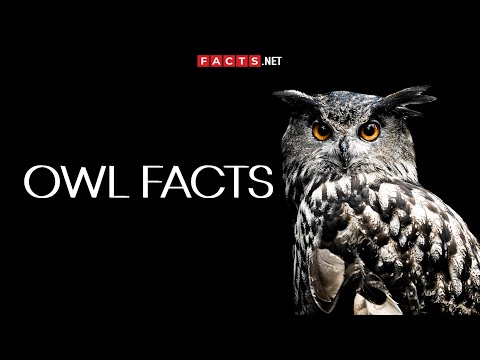
You know what’s funny? Owls can’t actually hoot all that well! I mean, when you think of an owl, you probably picture a wise old bird swooping down at night, right? But the truth is, not all owls are into that classic “whoo-whoo” vibe. Some of them sound like they’re trying to clear their throats or, honestly, just having a bad day.
And there’s so much more to these feathered creatures than meets the eye. Seriously! Each species has its quirks and unique behaviors that would make you scratch your head in wonder. Ever seen an owl dance? Well, maybe not dance like we do at parties but you get the idea!
So let’s chat about what makes these nocturnal buddies tick. From their hunting tricks to their social lives—yes, owls have social lives too—we’ll uncover some intriguing insights straight from scientific research. You ready? Let’s see what these fascinating birds are up to when the sun goes down!
Unveiling Ecosystem Secrets: Insights Gained from Analyzing Owl Pellets in Scientific Research
Let’s talk about owls, those mysterious nighttime birds that seem to hold a special kind of magic. You know, if you ever look closely at what they leave behind after a good meal—owl pellets—you’ll find a treasure trove of information! Seriously, it’s like nature’s little science kits just waiting to be explored.
So what’s the deal with these owl pellets? Well, after an owl eats, it digests the soft parts of its prey—like muscles and organs—but can’t break down the bones and fur. Instead, it regurgitates those hard bits into these compact little bundles we call pellets. Pretty neat, huh?
Analysing these pellets can reveal some fascinating insights about owl behavior and their ecosystem. Here are some key points:
- Dietary Habits: By looking at the contents of the pellets, scientists can determine what owls are eating. This includes small mammals like mice or voles, insects, and even other birds.
- Population Dynamics: Studying what species are found in the pellets helps researchers understand the population sizes of both owls and their prey. If an area has lots of mouse bones in the pellets, it might be a good habitat for both!
- Ecosystem Health: The types of animals that owls consume reflect the health of their environment. A diverse diet means a thriving ecosystem; fewer species could indicate trouble.
You might wonder how scientists actually figure all this out from just a pellet. Well, they dissect them carefully under microscopes—like mini archeologists! They identify each tiny bone or fragment according to size and structure. It’s kind of like putting together a jigsaw puzzle where you can’t see the picture at first.
I remember one time I got to visit a research lab that focused on this exact thing. The scientists were so passionate about their work; they were practically buzzing with excitement over each new finding. Their enthusiasm was contagious!
This research isn’t just for fun; it helps us understand broader environmental changes too! For instance, if an owl’s favorite prey starts disappearing from its diet over time; this could signal changes in habitat or food availability which might impact other species as well.
So next time you see an owl soaring silently through the night sky or perched on a tree branch, remember all those hidden stories packed into their owl pellets! Each one connects them to their ecosystem in ways that go beyond just being cute nocturnal hunters.
Exploring Owl Characteristics and Behavior: Insights from Avian Science
Let’s chat about owls! They’re these super intriguing birds that have captured our imaginations for, like, centuries. Seriously, who hasn’t been enchanted by the way they hoot softly in the night? But there’s so much more to these feathered friends than their haunting calls!
First off, let’s talk about their eyes. Did you know that owls have majorly large eyes compared to their heads? It’s true! These big peepers help them see in low light, which is pretty handy for a nocturnal hunter. Basically, they can spot a mouse scurrying around even when it’s super dark outside.
Another cool thing is how their ears work. Owl ears aren’t set up like ours; they’re asymmetrical! One ear is higher than the other. So what? This little quirk helps them pinpoint exactly where sounds are coming from. Imagine being able to hear a tiny rustle of leaves and know exactly which direction it’s coming from! It’s like having a built-in sound system!
Now let’s move on to their flight. Owls are silent hunters thanks to their special feathers. The edges of an owl’s wings are soft and fringed, which allows them to fly without making a noise. That means when they’re swooping down on prey, it’s almost like a ninja attack—stealthy and silent!
Owls also have this fascinating behavior during the day, too. You might think they’re just lounging around, but in fact, they’re often perched high up in trees or on power lines. They can be seen doing some serious preening or just keeping an eye on everything around them. And get this—they will actually rotate their heads almost all the way around—about 270 degrees! Talk about flexibility!
Some species of owls are also known for their social behaviors. While many prefer solitude, others form small groups called “parliaments.” This usually happens during breeding season where they share territories or hunt together.
Then there’s the whole mating ritual. Male owls put on quite a show by performing vocalizations and various displays to impress the ladies. It’s their version of asking someone out on a date—not too shabby!
Lastly, let’s not skip over their impressive diet! Most owls eat rodents like mice or voles but some species have been known to snack on larger prey—like rabbits or even fish! They swallow smaller prey whole and then later regurgitate pellets that contain fur and bones.
To wrap things up: Owls are more than just cute nighttime creatures; they’re excellent hunters with amazing adaptations that set them apart from other birds. Their unique eyes and ears help them thrive in darkness while social behaviors reveal hidden depths in how these birds interact with one another.
So next time you hear that familiar hoot at night or catch sight of one resting silently during the day, remember all these neat traits that make owls totally fascinating!
Exploring Owl Intelligence: Insights from Scientific Research on Avian Cognition
Owls are more than just those cute, big-eyed creatures we see in cartoons. They’ve got some serious smarts going on! Seriously, every time I hear about owl intelligence, I think of that night when my friend pointed out one perched silently in a tree. We didn’t just watch it; we were left pondering how such a quiet creature could be so cunning.
First off, let’s talk about their **hunting abilities**. Owls are primarily nocturnal hunters, which means they come alive when most of us are fast asleep. Their ability to hunt in the dark is not just luck; it’s because they have incredible hearing and vision. Some studies show that they can pinpoint the exact location of a sound with serious accuracy, even when it’s coming from below them! It’s like having built-in headphones that help them tune into meals like mice or small birds.
Now, beyond hunting, owls also display fascinating **problem-solving skills**. Researchers have conducted experiments where owls demonstrated their ability to figure out puzzles to get food rewards. One notable experiment involved using different methods to access food that was placed out of reach. The owls often figured it out after only a few tries. That’s pretty impressive for a bird!
Another cool aspect of owl intelligence is their **social behavior**—yes, they do socialize! While many people think owls prefer solitude, they sometimes communicate with each other through various calls and visual displays. Some species even show signs of teamwork when caring for young ones or during hunting. It’s like having your own crew!
What about **memory and learning**? Well, studies indicate that owls can remember locations where they’ve found food previously and often return to those spots later on—like keeping mental maps! If you’ve ever misplaced your keys but also remembered where you last saw them after a bit of thought then you get the picture.
One fascinating example is the **eastern screech owl**, known for its adaptive behaviors based on experience. When researchers provided these little guys with different types of prey over time, they learned to target specific animals more effectively based on past success rates.
Finally, let’s not forget about their unique way of perceiving the world through their excellent night vision. They have this special adaptation called **facial discs** which helps funnel sound directly to their ears and enhances their hearing too! This physical trait isn’t just for show; it plays a big role in how well they hunt and interact.
To wrap things up, owl intelligence is truly captivating and layered with behaviors you wouldn’t expect from these enigmatic birds. So next time an owl hoots outside your window at night while you’re trying to sleep—spare a thought for its extraordinary abilities! After all this insight into how profound these creatures really are, don’t you find yourself appreciating them even more?
Owls, man. They’re like the mysterious night creatures that everyone seems to love. I remember one summer evening, I was sitting outside, just soaking up the calm. Out of nowhere, an owl swooped down from a tree and landed nearby. It looked right at me with those big, round eyes. I felt like it could see right through me. Strange, huh? It’s moments like that which make you curious about what these feathered wonders are really up to.
So let’s chat about their behavior a bit. Owls are known for being solitary hunters—like your introverted friend who prefers hanging out at home instead of the noisy parties, you know? Most species prefer to chill alone or with their mate rather than in groups. This means they really have to be on top of their game when they’re hunting for food.
Speaking of hunting, did you ever notice how silent owls are? It’s kind of eerie! Their feathers have special edges that break up the turbulence when they fly. This helps them sneak up on unsuspecting prey without making a sound—super clever! Research has shown they can pinpoint the location of sounds even better than we can. Imagine being able to hear where your next meal is coming from in complete darkness.
And let’s not forget about their vocalizations! They have this whole repertoire of sounds—from hoots to screeches—and each one serves a purpose. It’s like they’ve got their own language! Some calls signal territory, while others might attract mates or warn off rivals. Listening to an owl call in the wild just adds to that magical experience of being outdoors.
There’s something poetic about their nocturnal lifestyle too. Owls are often associated with wisdom or even mystery in different cultures around the world, probably because of how they seem to watch over everything from above as night falls. Seriously though, it gives off a vibe that’s both calming and a little spooky at the same time.
But here’s where it gets even more interesting: scientists have found that certain species can adapt their hunting strategies based on environmental changes or prey availability—like an evolutionary game plan in action! That adaptability speaks volumes about how these birds survive despite challenges like habitat loss and climate change.
So yeah, owls might just be cool birds that people love spotting at dusk and dawn—but there’s more going on beneath those breathtaking feathers than meets the eye (pun intended!). Each tiny detail about their behavior offers insights into nature’s intricate web and reminds us why we should care for wildlife—even if it’s just our nighttime pals flapping around silently overhead.