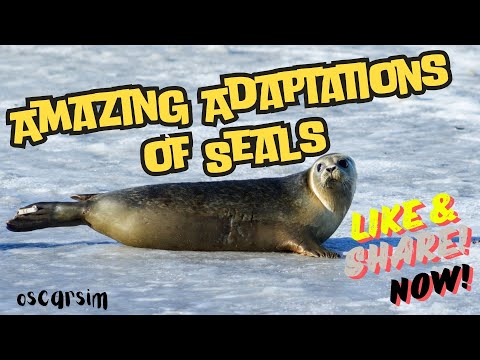
So, picture this: you’re at the beach, soaking up the sun, when suddenly a seal pops up right next to you, looking like it just got out of a spa day. Seriously, those blubbery cuties can be both adorable and hilarious!
I mean, have you ever watched one try to haul itself out of the water? It’s like watching someone attempt yoga for the first time—totally entertaining!
But beyond their funny antics and charming faces lies a world full of amazing adaptations. These creatures are built to survive in some seriously harsh environments. Like, how do they hold their breath for minutes on end? Or what about that thick layer of blubber?
So let’s explore what makes seals so fascinating. From their social quirks to their survival tricks, there’s more than meets the eye with these marine mammals—and trust me, it’s worth a look!
Exploring Behavioral Adaptations in Seals: Insights from Marine Biology
So, let’s chat about seals and their super cool behavioral adaptations. These chunky little guys aren’t just lounging on the beach looking adorable; they’re actually equipped with some pretty clever tricks to survive in the ocean.
First off, let’s talk about their ability to dive. Seals can hold their breath for an impressively long time—some species can go underwater for almost two hours! This is thanks to their specialized lungs and blood that can store oxygen efficiently. The thing is, when they dive, they slow down their heart rate to conserve energy, which is pretty neat.
Now, what do you think happens when they need to hunt? Well, seals are expert hunters. They use a technique called “stalking,” where they sneak up on fish by swimming silently through the water. Imagine creeping up on someone in hide-and-seek—you get it? This strategy helps them catch lunch without spooking their prey.
Another cool adaptation is how seals communicate. They make all sorts of sounds ranging from barks to growls. It’s kind of like a marine conversation! For example, during mating season, males might bark loudly to assert their dominance and attract females. Kind of like showing off your dance moves at a party but in seal language.
Social behavior also plays a huge role in their lives. Many seals are social creatures and form groups called colonies. Being part of a colony helps them protect each other from predators like sharks or orcas. It’s like having your squad watching your back at all times—makes you feel safer, right?
And let’s not forget about thermoregulation. Seals live in some seriously cold waters, but they’ve got this down-to-an-art form with blubber—a thick layer of fat that acts as insulation against chilly temperatures. Picture wearing a big fluffy jacket; that’s how cozy they feel!
Finally, seal pups are another fascinating part of this story. When they’re born, they rely heavily on their moms for warmth and milk—which is super fatty! As pups, seals learn essential survival skills by watching and mimicking their parents. It’s like learning how to ride a bike by following someone else until you get the hang of it.
All these behaviors are key adaptations that help seals thrive in various environments while facing challenges in the wild—from hunting for food to avoiding predators and keeping warm in icy waters!
So there you have it! Seals are more than just cute faces; they’re equipped with amazing adaptations that showcase how life finds ways to flourish even under tough circumstances—seriously impressive if you ask me!
5 Fascinating Scientific Facts About Seals: Insights into Marine Mammal Biology
Sure! Let’s chat about seals and some super cool facts about these amazing marine mammals. They’re not just adorable; they’ve got some fascinating biology going on!
1. Blubber for Heat
So, seals are like nature’s own little thermal jackets. They have thick layers of blubber underneath their skin, which keeps them warm in chilly waters. Blubber is basically a special kind of fat, and it’s not just for warmth; it helps them float better too! Imagine if we had our own built-in sleeping bags. Neat, huh?
2. Unique Whiskers
Have you ever noticed how a seal’s whiskers wiggle around? Those aren’t just for show. Seals use their super-sensitive whiskers to sense movements in the water. It helps them detect fish and other prey even when it’s dark or muddy down there. Like having a high-tech underwater radar system, right?
3. Amazing Swimmers
Seals are fantastic swimmers! Their bodies are streamlined, which means they can glide through the water with ease. They can swim really fast; some species reach speeds of up to 20 miles per hour! To put that in perspective, that’s like running from one end of a football field to the other in less than 5 seconds—while holding your breath!
4. Vocal Communication
Ever heard seals barking? Well, they’ve got quite the vocal range! Seals use various sounds to communicate with each other, from barks to growls to whistles. These vocalizations can convey everything from warnings about predators to mating calls during breeding season. It’s like their own little language under the sea!
5. Diverse Diets
Seals are pretty flexible when it comes to food choices—kind of like how we sometimes crave pizza or sushi! Depending on where they live and what’s available, they eat fish, squid, crustaceans, and even some types of plankton. You see? It all depends on what’s swimming nearby!
In short, seals are more than just cute faces lounging on rocks; they’re equipped with incredible adaptations for life in the ocean that keep them thriving despite challenges in their environment. So next time you see a seal flopping around or sunning itself on a beach, remember there’s way more going on beneath that blubbery surface!
Exploring 5 Fascinating Examples of Behavioral Adaptations in the Animal Kingdom
When we talk about behavioral adaptations in the animal kingdom, it’s all about how animals adjust their actions to survive and thrive in their environments. You know, animals are clever little beings! Let’s take a look at five fascinating examples of these adaptations, focusing on seals, which are some of the most interesting creatures wandering around our oceans.
1. Social Structures: Seals often live in groups called colonies. This isn’t just for fun—they rely on each other for safety against predators. When a seal senses danger, it can let out a warning call. The others gather around to protect themselves and make their escape together. So, teamwork really does make the dream work!
2. Diving Skills: Some seals can dive deep into icy waters to find food! For instance, the Weddell seal can dive over 2,000 feet! They have special adaptations like extra blood vessels and myoglobin to store oxygen efficiently. Isn’t it cool how they manage to hold their breath for up to an hour while looking for fish or squid?
3. Vocal Communication: Seals are pretty chatty. They use sound to communicate with one another, especially during mating seasons or when raising pups. They have distinct calls that help them recognize each other even in noisy environments—like a noisy beach packed with tourists!
4. Temperature Regulation: Living in cold waters means seals need to keep warm somehow; hence they have this lovely layer of blubber under their skin! This fat not only keeps them insulated but also provides energy when food is scarce. It’s like nature’s built-in sleeping bag!
5. Breaching Behavior: Ever seen a seal jump out of the water and splash back down? That’s called breaching! While it looks like fun (and it probably is), it also serves practical purposes—like shaking off parasites or even showing off to potential mates! Who wouldn’t want to impress their date with such acrobatics?
The animal kingdom is filled with remarkable adaptations that help creatures battle the odds every day—including seals that impress us not just with their cute faces but with captivating behaviors that keep them thriving in their watery homes.
You know, seals are one of those animals that seem to capture our imagination. I remember being at the beach once and watching a group of them lounging on the rocks. They looked so chill, just basking in the sun, but underneath that laid-back exterior, there’s a whole world of fascinating behavior and super cool adaptations going on.
First off, let’s talk about their social life. Seals can be quite social creatures! Depending on the species, they might hang out in big groups or just chill with a buddy or two. Like harbor seals tend to be more solitary while elephant seals have massive gatherings during breeding season. It’s like they know how to throw a party when it counts! But here’s the thing: they’re not just lounging around doing nothing. Their interactions can get pretty intense. They have this whole language of vocalizations and body language to communicate with each other—seriously intricate stuff for animals that you might just think are all bark and no bite.
And then there’s their ability to dive deep into cold waters for food, which is honestly mind-blowing. Seals can hold their breath for a long time because their bodies are seriously adapted for it. Their heart rate slows down when they dive, conserving oxygen like little underwater ninjas! Oh, and let’s not forget about their blubber—like this natural insulation layer that keeps them warm in icy waters. It’s almost like nature gave them their own cozy jackets.
There’s also something kind of poignant about how seals care for their young ones. Mother seals are really attentive; they nurse their pups with rich milk to help them grow fast before eventually teaching them how to swim and hunt. You watch these tiny pups flopping around clumsily onshore, and it hits you: survival isn’t easy out there in the wild!
But everything we learn about these playful creatures makes you feel a mix of awe and urgency because so many seal species face threats from climate change to fishing nets becoming traps instead of tools. Every little insight into their behavior feels like another piece in the puzzle of understanding how precious our oceans are.
So yeah, next time you see a seal chilling by the shore or bobbing along in the water, take a moment to appreciate what makes them so unique—not just as cute critters but as intricate parts of our environment with stories worth knowing about.