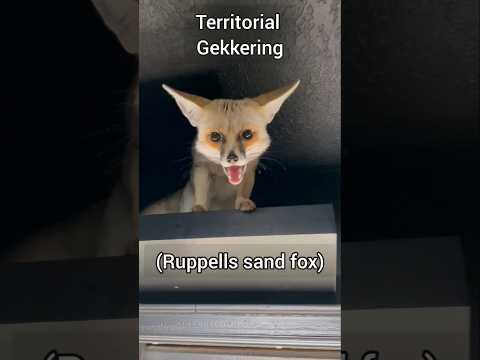
So, you know how sometimes you’re just chilling outside and you hear this weird noise that sounds like a baby crying? Well, that’s actually a fox! Crazy, right?
These little critters are full of surprises. I mean, they’ve got personalities that can rival your most entertaining friends. Seriously!
From their sneaky hunting tactics to those hilarious social interactions, there’s so much going on in their furry heads. It’s like they’re nature’s little pranksters, always ready to keep you guessing.
Stick around while we dig deeper into the wild world of fox behavior and communication. You might just find yourself enchanted by these clever creatures!
Exploring Fox Communication: Behavioral Insights from Ethology and Animal Science
Foxes are pretty interesting little creatures. They communicate in all sorts of ways, and understanding their behavior gives us a peek into their social lives. So, let’s chat about how foxes talk to each other and what that means for them.
First off, **vocalizations** play a huge role in fox communication. You’ve probably heard the classic “yip-yap” sound they make at night. This isn’t just for fun; it’s like their way of keeping in touch with each other. Foxes use different barks, screams, and howls to express emotions like excitement, fear, or even a warning about danger. When you hear a fox calling out, it’s like they’re texting their buddies!
Then there’s body language. Have you ever watched a dog wag its tail? Well, foxes do something similar but with more flair! They might lower their bodies when approaching another fox or raise their tails in the air when they’re feeling dominant or confident. **Facial expressions** also matter—a lot! Their ears can perk up or lay flat against their heads based on how chill or threatened they feel.
Another cool thing is the **scent communication** aspect. Foxes have scent glands that help them mark territory or send messages to other foxes. Imagine being able to smell someone’s feelings! By leaving their scent on trees or rocks, they tell others: “Hey, I’m here” or “Back off; this is my turf.” It’s like leaving clues for fellow foxes!
Also worth noting is **play behavior**, especially among kits (that’s baby foxes). When they play fight or chase each other around, it looks adorable—but it’s actually practicing essential skills for later life! And guess what? They’re learning social rules during these interactions too!
So there you go! Fox communication is much more than just cute sounds and fluffy tails—it’s a whole network of signals that keeps them connected and helps them survive in the wild. Pretty neat stuff if you ask me!
Exploring the Unique Adaptations and Behaviors of Foxes in the Animal Kingdom
Foxes are super interesting creatures! They belong to the Canidae family, which includes dogs, wolves, and other animals. What makes them stand out, though, is their amazing **adaptations** and **behaviors** that help them survive in different environments. So what’s the deal with these crafty little guys?
Adaptations
Foxes are basically nature’s survivors. For starters, they have incredible hearing. Seriously! A fox can hear a mouse squeaking from hundreds of feet away. This sharp sense of hearing helps them hunt even when it’s dark or snowy outside.
Their coats are another cool adaptation. Depending on where they live, foxes have different fur colors. Arctic foxes sport thick white fur in winter to blend in with snow while red foxes have that stunning orange coat that makes them look so charming but also helps them hide among leaves and grass.
They also have bushy tails! It’s not just for style; these tails help them keep balance when they’re darting around or climbing. Plus, they use their tails for communication with other foxes too—kind of like waving a flag!
Behavioral Traits
When it comes to behavior, foxes really shine with their social skills. Take the way they communicate: They’re chatty little critters! Foxes use a variety of sounds like barks, howls, and even screams to express themselves. Can you imagine? A group of them can sound almost like a party at night!
One example of their cleverness is how they work together to hunt or raise young ones. Red foxes often form small family units called “leashes.” The parents take turns hunting while the older siblings help look after the pups—pretty sweet teamwork if you ask me!
Playful Nature
Oh, and let’s not forget about their playful side! Have you seen videos of fox kits playing? They chase each other around in circles and tumble over each other—basically having the time of their lives! This playful behavior isn’t just cute; it helps them learn important skills they’ll need as adults.
They also exhibit fascinating behaviors during mating seasons. Male foxes will often engage in elaborate courtship displays, which might include playful antics or food-sharing as a way to attract females.
So yeah, whether it’s their charming looks or smart ways to communicate and adapt to environments, there’s just something magical about foxes in the animal kingdom. They remind us how diverse and inventive life can be on this planet!
Exploring Fox Behavior: Insights into Animal Character and Adaptation in Science
Foxes are pretty captivating creatures, right? You might have come across a cute little red fox in some nature documentary, or even spotted one crossing the road on a chilly evening. Their behaviors are not only charming but also reveal a lot about their adaptability and instincts. Let’s break down what makes these animals so interesting.
Communication Skills
Foxes have a whole range of vocalizations. There’s the classic bark that you might think of, but they also produce high-pitched screams, howls, and even chattering sounds. These noises serve different purposes. For example, when they’re excited or trying to alert others about danger, you’ll hear that sharp bark echoing through the woods. It’s fascinating to see how sound plays a role in their social interactions.
Social Behavior
So here’s something cool—foxes are really social animals despite often being seen as solitary hunters. They form family units where both parents help care for the young ones. Picture this: kits playing in the grass while their parents keep watch from nearby. Isn’t that endearing? They communicate with each other using various methods, including body language and scent marking.
Adaptability
When it comes to adapting to environments, foxes are champs! They thrive in forests, deserts, mountains—pretty much anywhere! Take the red fox; it can change its diet based on what’s available around it. Whether it’s hunting small mammals or scavenging through human garbage bins (yikes!), they make it work. This flexibility adds to their survival skills quite a bit.
You’ve Got Mail!
Scent plays a big role in how foxes communicate too! They leave scent markings with urine on trees or stones to establish territory or signal other foxes about their presence. Imagine reading “mail” left by another fox every time you walk through your neighborhood—it would be like finding out all the gossip from your friends!
Hunting Strategies
Foxes are incredibly clever hunters as well. They use stealth and patience—often stalking their prey before pouncing with surprising speed! Have you ever seen a fox leap into the air? It’s like something out of an action movie when they spring into motion after spotting prey!
In all these aspects—communication styles, adaptability in various environments, family dynamics—you can see why studying fox behavior gives great insight into animal character and resilience in nature. Watching them shows us not just survival tactics but also reminds us of how intricate life really is outside our windows!
So, let’s chat about foxes for a moment. You know, those clever little creatures that often seem to pop up in stories and fables? I have this vivid memory from when I was a kid, wandering through a forest with my family one evening. We spotted a fox darting through the trees, its fluffy tail trailing behind like it was on some important secret mission. It was mesmerizing, the way it moved with such agility and purpose. But beyond their cute appearance, these animals have some pretty fascinating behavior and communication styles.
First off, foxes are often seen as solitary animals, but they can also form family groups. It’s like they understand the importance of community—how sweet is that? They hunt alone but also share parental duties when raising their kits, which is what baby foxes are called. Daily life typically involves a mix of foraging and playtime. You’d think they’re just goofing around when you see them play-fighting, but it’s all part of learning skills for hunting and navigating the world.
When it comes to communication, foxes have quite the repertoire! They use vocalizations alike barks and howls to convey different messages—kind of like us picking different words based on what we want to say. There’s this eerie shout called a “gekkering” that might sound like something out of a horror movie! It’s their way of establishing territory or warning others off. Makes you think twice about why they were often seen as tricksters in folklore!
Foxes also communicate through body language—like raising their tails or flattening their ears against their heads. Imagine if we did that; walking around with our shirts flapping or hair sticking up to show how we’re feeling—that would be something!
And here’s another cool tidbit: foxes have an amazing sense of smell! They can sniff out food buried under snow or find mates miles away by scent alone. Just picture a little fox with its nose to the ground, working hard on its scavenger hunt.
All this makes them not only adaptable but incredibly resourceful too! After all we’ve heard about urban wildlife growing bolder over time, it feels like these sly critters are thriving alongside us in ways we never thought possible.
Fox behavior and communication might seem trivial at first glance; after all—they’re just animals living their lives. But understanding them gives us insights into nature’s intricate web and reminds us of the delicate balance between all living beings in the ecosystem. So next time you see one trotting down a road or peeking out from behind bushes, maybe you’ll think about what it’s trying to say or what adventures it’s had—it kind of adds an extra layer of magic to those encounters!