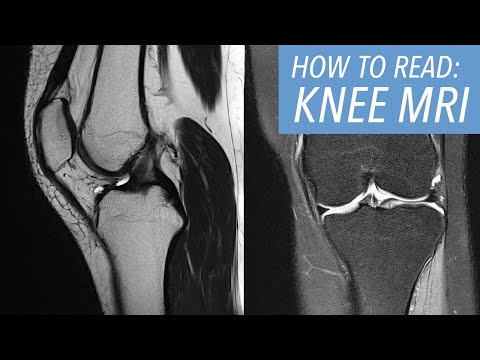
You ever tried to explain an MRI to someone? It’s like telling a story about a magic box that takes your insides and turns them into fancy pictures. Seriously, it’s wild!
Now, when it comes to the knee, things get even more interesting. I mean, think about it—how often do we take this joint for granted? Yet it’s doing all the heavy lifting when we walk, run, or even just kick back on the couch.
But here’s the scoop: there’s so much happening in there! Ligaments, tendons, cartilage—it’s like a small world of anatomy waiting to be explored. And that’s where MRIs come in. They give us a peek inside without having to crack open a single bone.
Let’s unravel some knee MRI anatomy together. You might find yourself looking at your own knees in a whole new way!
Comparative Analysis of Normal vs. Abnormal Knee MRI Findings: Implications for Diagnosis and Treatment in Radiology
When you think about knee pain, your mind might jump to injuries or wear and tear. It’s super common! And that’s where MRI scans come into play. They help doctors peek inside your knee—without any cuts or pokes. Sounds cool, right? So let’s talk about what they actually look for, especially when comparing normal vs. abnormal findings.
First up, a normal knee MRI shows a lot of things that look pretty straightforward. You’ve got the bones, like the femur and tibia, looking strong and intact. The cartilage, which is that smooth tissue cushioning your joints, is usually nice and even. And the ligaments—like the ACL (anterior cruciate ligament)—should be clear and without any tears.
Now, when it comes to abnormal findings, things get more interesting. For instance:
- Cartilage damage: Sometimes this appears as fraying or holes in the cartilage. This could suggest conditions like arthritis.
- Ligament tears: The ACL might show signs of being stretched or torn apart. You can spot this when it has an irregular shape on the scan.
- Baker’s cysts: These are fluid-filled sacs that can pop up behind the knee joint when something else is wrong, like arthritis.
- Bone marrow edema: This means there’s swelling inside the bone—a clue that something bigger might be going on.
Let me share a quick story: One time I had a friend who twisted her knee during a soccer game, and she thought it was just a sprain. After an MRI, they found out she had an ACL tear! That changed everything for her treatment plan—from physical therapy to potential surgery.
So why does all this matter? Well, analyzing these differences not only helps in diagnosing knee issues but also shapes how doctors plan treatments moving forward. If they find **abnormalities**, they know what’s broken (literally!) and can offer options tailored to what’s happening in your knee.
Understanding these comparisons can feel like learning another language sometimes—MRI lingo is serious business! But breaking it down into “normal” versus “abnormal” gives us some hope: if we catch problems early through MRIs, we’ve got better chances for effective treatment.
Knees are complex joints with lots of moving parts—and an MRI can spotlight exactly what’s happening under all that skin and muscle! So next time you hear about someone getting an MRI for their knee pain, remember—it’s not just imaging; it’s an insight into how best to mend those joints!
Understanding Coronal Knee MRI Anatomy: A Comprehensive Guide for Radiologists and Medical Professionals
The knee MRI is a powerful tool that helps medical professionals visualize the structures within the knee. When working with coronal images, it’s crucial to grasp the anatomy so you can better interpret what you see. So, let’s break it down!
First off, in coronal views, you’re looking at slices of the knee from side to side. This perspective is super handy because it shows us important structures like ligaments, menisci, and cartilage clearly. Have you ever seen those colorful diagrams in textbooks? They really help paint a picture of what’s what.
Now, let’s highlight some key structures you’ll find on a coronal knee MRI:
- Femur: The thigh bone above the knee joint. It has rounded ends that form connections with the tibia and patella.
- Tibia: This is your shin bone. In the coronal view, you’ll see how its flat top helps support the femur.
- Fibula: This skinny bone runs alongside the tibia but isn’t directly involved in forming the knee joint.
- Pattela: The kneecap! It slides within a groove on the femur during movement.
- Ligaments: You’ve got several here:
- Anterior cruciate ligament (ACL): Super important for stability!
- Posterior cruciate ligament (PCL): Works alongside the ACL to control motion.
- MCL and LCL: These keep your knee steady from side to side.
- Menisci: Two C-shaped cartilage pieces (medial and lateral) that cushion and stabilize your knee.
- Capsule and synovial membrane: They wrap around your knee joint protecting it while allowing for smooth movements.
An example of why understanding these structures is essential? Take injuries—if someone tears their ACL in sports, knowing exactly where that ligament sits helps with diagnosis and treatment planning. You wouldn’t want to mix it up with an injury to one of those menisci!
MRI also gives you information about conditions like arthritis or meniscal tears by pointing out changes in these tissues. Bright spots might show inflammation or fluid accumulation; understanding how these reflect on your images can lead to more accurate assessments.
A big part of reading these MRIs is recognizing normal anatomy versus what’s abnormal. Sometimes things can look similar but function very differently—like identifying between normal variations in cartilage versus signs of degeneration.
If you’re ever unsure what you’re looking at, don’t hesitate to consult resources or talk with colleagues who might have more experience—it’s totally fine! Even seasoned pros need second opinions now and then—trust me, I’ve seen it happen many times!
Your knowledge about coronal MRI anatomy plays a huge role in patient care outcomes. The clearer you see things on an image, the better informed decisions can be made regarding treatment plans or possible interventions.
The world of imaging isn’t just about fancy technology; it’s about helping people recover and live healthier lives! And remember: every time you decode an MRI image successfully, you’re contributing to someone’s health journey—how cool is that?
Knee MRI Anatomy: A Comprehensive Guide for Radiology Assistants in Medical Imaging
When you think about knee MRIs, it’s like peeking inside a complex puzzle. Every piece has its place, and understanding that anatomy is key for anyone working in medical imaging, especially radiology assistants. So, let’s break this down in a fun way!
The knee is made up of bones, cartilage, ligaments, tendons, and other soft tissues. When you look at an MRI image, it’s crucial to know what you’re seeing. The main bones in the knee are the femur (thigh bone), tibia (shin bone), and patella (kneecap). They all work together to let you bend and straighten your leg.
Now onto the cartilage! It’s that smooth stuff on the ends of bones that helps them glide over each other without squeaking or grinding. The menisci, which are two C-shaped cartilages in the knee, act like shock absorbers. They help distribute weight evenly—kinda like how a sponge absorbs water.
- Medial meniscus: This one is on the inner side of your knee and is more prone to injury due to its limited movement.
- Lateral meniscus: Located on the outer side, this one has a bit more wiggle room.
Ligaments are like tough rubber bands connecting bone to bone. There are four major ligaments in your knee that you’ll want to recognize:
- Anterior cruciate ligament (ACL): This one’s super important for stability during movements like jumping or pivoting.
- Posterior cruciate ligament (PCL): Helps prevent the tibia from sliding too far backwards!
- MCL (medial collateral ligament): Found on the inner part of your knee; it keeps it stable when you’re moving side-to-side.
- LCL (lateral collateral ligament): On the outer part; just like MCL but on the opposite side!
Tendons connect muscles to bones—so they play a huge role when you move! The most notable one here is the patellar tendon, attaching your kneecap to your shinbone. This tendon helps with activities like running or jumping—no pressure there!
An MRI gives us slices through all these structures in high detail. Think about it: when radiologists look at those images—it’s not just black and white; they’re interpreting layers and textures! T1-weighted images show good contrast between fat and water content, which can help spot abnormalities effectively.
Anecdote time! Once I watched my friend get an MRI after he twisted his knee playing soccer. By seeing his scan afterwards, we were amazed at how much detail there was! We could see every tiny structure clearly—it reminded me just how fascinating our bodies really are!
If something looks off in those images—a tear in a ligament or damage to cartilage—it can guide doctors toward treatment options. So remember: while you might not be diagnosing anyone yourself as a radiology assistant, being familiar with this anatomy is crucial for supporting those who do!
The takeaway? Understanding Knee MRI anatomy isn’t just about memorizing names; it’s about making sense of how everything works together in harmony—or when things go askew! Keep learning those nuances—your role is super valuable!
You know, the knee is one of those joints that we often take for granted. We use it every day without really thinking about how complex and fascinating it is. Picture this: you’re out running, feeling the wind in your hair, and suddenly—bam!—you twist your knee just wrong. Ouch! That pain can be a real game changer.
So, let’s talk about MRI and what it reveals about knee anatomy. An MRI is like a magic window into your body. It uses strong magnets and radio waves to create super detailed images of our insides without any radiation. For the knee, this means you can see all sorts of important bits like cartilage, ligaments, tendons, and even the bones!
The thing is, understanding these images can feel a bit overwhelming. I remember getting an MRI once—lying there, hearing that rhythmic clanging noise while staring at the ceiling—and then receiving all this information back from the doctor. I was like, “What does all this mean?” It’s easy to get lost in the jargon tossed around by doctors and radiologists.
When you look at an MRI of a knee joint, you might see a clear view of the meniscus—the cartilage that acts as a cushion between your thigh bone and shin bone. There are also structures called ligaments—think of them as strong bands that hold everything together. The ACL (anterior cruciate ligament) is crucial for stability during sports or even just walking down the stairs.
But here’s where it gets tricky: while MRIs show us what’s happening inside our bodies with incredible clarity, translating that into something understandable for everyday folks can be tough. You want to grasp not only what’s abnormal but why it matters in simple terms.
Like when people talk about tears in ligaments or cartilage damage; they might say “partial tear” or “full thickness tear.” To someone unfamiliar with medical lingo, it sounds terrifying! But breaking it down helps: it’s like saying you’ve got a rip in your favorite shirt—instead of throwing it out completely, you can fix it depending on how bad the rip is.
So basically, we need good communication around knee MRIs—not just for doctors but for patients too! It’s about bridging that gap between complicated images and real-life implications so everyone can feel informed and empowered about their health choices.
Well, next time you’re thinking about those knees—the ones that carry you through life—remember there’s so much going on beneath the surface that’s just waiting to be understood!