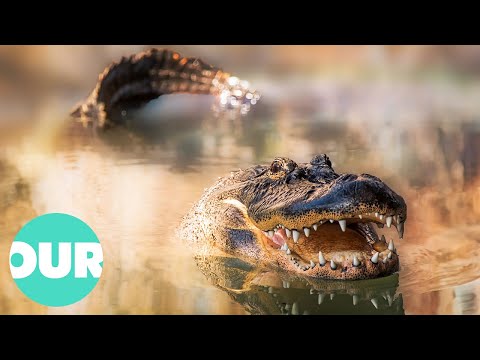
So, picture this: you’re chilling by a swamp, maybe taking a break from your hike, and you spot an alligator sunbathing like it’s on a tropical vacation. I mean, who knew they could be so… relaxed?
You know what’s wild? Those ancient creatures have been around since the time of dinosaurs. Seriously! They’ve mastered the art of chilling out and hunting like pros. But there’s so much more to them than just being the lazy kings of the water.
Alligators have this crazy behavior that can be super intriguing. Whether it’s their unique social interactions or their clever hunting tactics, there’s always some unexpected twist in their day-to-day lives.
So, let’s dig into some fascinating insights about how they live, swim, and sometimes even strut their stuff. Trust me; there’s more to these reptiles than meets the eye!
Exploring Alligator Behaviors: Insights from Behavioral Ecology
Alligators are pretty amazing creatures. You might think of them just lounging in the sun or lurking in the water, but there’s a lot more going on beneath that scaly exterior. Let’s chat about some of their cool behaviors and what they tell us about their ecology.
First off, territoriality is a big deal for alligators. Males can get pretty aggressive when it comes to protecting their space, especially during mating season. They’ll mark their territory with vocalizations and even physical displays. It’s like yelling “This is mine!” in alligator language.
What you might not know is that **communication** plays a huge role in alligator behavior. They’re not just grumpy dinosaurs, you know? Alligators use a variety of sounds—hisses, growls, and even those deep bellows—to communicate with each other. It’s like having a whole conversation underwater! These sounds help them attract mates or warn rivals to back off.
Then there’s the fascinating topic of parental care. Yep, you heard that right! Female alligators actually take care of their hatchlings after they’re born. She’ll help them get to water and protect them from predators for several months. Can you imagine being tiny and relying on your mom to keep the big bad world away? That’s some serious dedication!
Alligators also display interesting foraging behaviors. They adapt their hunting techniques based on the seasons and available prey. For instance, during colder months when food is scarce, they might slow down their activity and conserve energy by basking more often—sort of like napping through winter! How smart is that?
Another cool aspect is how they use temperature to determine the sex of their eggs! Isn’t that wild? Warmer temperatures tend to produce males while cooler ones yield females. This means that environmental factors can directly impact the population dynamics within an area.
And let’s not forget about social structure. Alligators can be surprisingly social creatures during certain times of year. They gather in groups called “congregations,” especially around nesting sites or abundant feeding areas. This behavior shows how they can cooperate for survival while still maintaining their fierce independence.
So, the next time you see an alligator sunning itself by the water’s edge, remember that there’s so much more than meets the eye! Their behaviors are shaped by evolutionary pressures and ecological factors that have helped them survive for millions of years.
In short: these reptiles are not just primitive beasts; they’re well-adapted animals displaying complex behaviors influenced by their environment! Isn’t nature just fascinating?
Alright, let’s talk alligators. I mean, these creatures are like living dinosaurs, right? Just the thought of that is kind of mind-blowing. Growing up in Louisiana, I saw my fair share of them lounging around in swamps, but honestly, I never really considered what was going on inside their heads or how they fit into their ecosystems.
Alligators are super fascinating because they’re not just big reptiles; they’re major players in their environments. You know how some folks have that reputation for being the life of the party? Well, alligators sort of do that for their habitats. They create what’s called “alligator holes,” which are depressions in the ground that hold water during dry spells. So when everything else is drying up, those little oases stay full, providing water and shelter for fish and other wildlife. Pretty neat, huh?
One thing that always gets me is their social behavior. Sure, they might look tough with those scaly bodies and toothy jaws, but they communicate quite a bit! You’d think they’re just quiet lizards basking in the sun all day, but nope—those sounds they make? They can express aggression or even invite mates over to hang out! It’s like an alligator party in the marshes.
There’s this one time I was canoeing down a bayou with friends when we spotted a mother alligator with her hatchlings. She was so protective and attentive! They stuck close to her like little fuzzy beans trailing behind their mom. It was such a sweet moment amidst this fierce reputation they have as predators. Seeing that made me realize that there’s a whole nurturing side to them we often overlook.
But here’s the thing: alligator populations have faced challenges due to habitat loss and hunting. It’s like you know how when you take away someone’s favorite snack? They get angry or sad? Well, alligators reacting to environmental changes isn’t much different; it impacts not just them but entire ecosystems too.
Learning about their behaviors has opened up a whole new appreciation for these ancient creatures and helped me see how interconnected everything is—like how one creature’s actions can ripple through its environment like little waves on a lake.
So next time you hear about an alligator or catch a glimpse of one sunbathing on the riverbank, take a second to think about its role in nature and what makes it tick. There’s so much more happening under those tough scales than most people ever get to see!