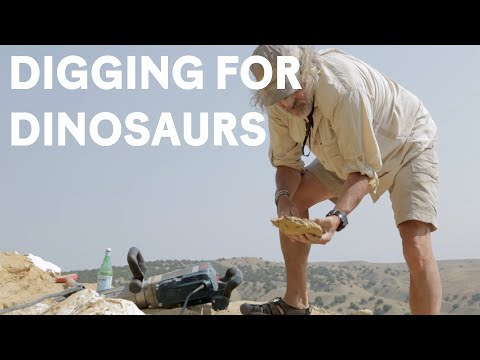
You know what’s wild? Imagine digging in your backyard and unearthing bones from a dinosaur! Like, seriously, that could happen if you have the right spot!
Fossil paleontologists are the rock stars of the ancient world. They spend their days unearthing secrets buried for millions of years. It’s like playing detective, but with bones instead of clues.
Ever heard about the time someone found a T-rex tooth in Montana? It’s true! That tooth was like finding a winning lottery ticket for those scientists.
So, let’s chat about what these paleontologists really do. They’re not just chilling in labs or museums; they’re out there digging into the past to uncover how life used to be. Intrigued? Stick around!
Unveiling the Past: A Dive into How Paleontologists Discover Fossils in the Field of Science
There’s something pretty magical about fossils, isn’t there? They’re like little time capsules that tell us stories of life millions of years ago. So, how do paleontologists even get their hands on these ancient treasures? Let’s explore the cool world of fossil hunting and the science behind it.
First off, paleontologists usually start with a bit of detective work. They’ve got to figure out where to dig. This involves studying geological maps and looking for areas that are likely to have preserved fossils. Sometimes it’s as simple as finding rocks that are from a specific time period when dinosaurs or other creatures thrived.
Once they’ve chosen a promising spot, the real fun begins! Fieldwork is all about getting your hands dirty. Paleontologists might hike up mountains, trek through deserts, or even wade through swamps—all in search of those elusive fossils. It’s definitely not always easy; they face all kinds of weather and terrain challenges.
When they find something interesting, it’s crucial to document everything right away. This means taking photos and noting down the exact location where the fossil was found. You wouldn’t want to lose track of a find just because you forgot where you dug! Plus, these details help scientists understand more about how organisms lived back then.
Now, let’s talk about what happens when they actually dig up a fossil. It’s not just scoop-and-peek; there’s a technique involved! They use tools like brushes and small picks for delicate excavation. The goal is to expose the fossil without damaging it—that can be tricky sometimes!
Once they’ve carefully excavated the fossil, they often coat it with protective material before transporting it back to their lab for further analysis. Here’s where things get really exciting: In the lab, scientists can clean up the fossils and study them in detail using various techniques like CT scans or chemical analysis.
Oh! And here’s something cool—a lot of discoveries happen by sheer luck too! Sometimes during construction work or erosion, fossils pop up unexpectedly. Paleontologists then rush in to study these incredible finds before they’re lost again.
So basically, uncovering fossils isn’t just about swinging a pickaxe wildly into rocks; it’s this blend of strategy, field skills, meticulous care, and sometimes just being at the right place at the right time. Paleontology combines adventure with science in such an amazing way!
And as if that wasn’t enough—let’s not forget teamwork! Many paleontologists collaborate with geologists and biologists to piece together puzzles from our planet’s past. Working together allows them to gain insights from different angles—what more could you ask for in science?
To sum up: Fossil hunting is an exciting journey through time that requires hard work and passion. The thrill lies not just in finding ancient remains but also in unraveling stories from eons past—a true testament of life on Earth! So next time you see a dinosaur skeleton on display at a museum, remember there’s an entire team behind that jaw-dropping discovery.
Discovering the Past: The Role of Paleontologists in Fossil Excavation and Research
So, let’s dig into the world of paleontology. You might be wondering what paleontologists actually do. Well, they’re like time detectives, you know? They study fossils to piece together the story of life on Earth over millions of years. It’s a mix of science, adventure, and a whole lot of dirt!
When paleontologists head out to excavate fossils, it’s no walk in the park. They often work in remote locations. Picture this: a hot desert or a windy cliff side with rocks as far as the eye can see. Once I read about a team that traveled to Mongolia’s Gobi Desert for weeks just to find dinosaur remains! Imagine the thrill when they uncovered a massive dinosaur skull after all that time and effort.
The process starts with some serious research. Paleontologists study where fossils have been found before and examine geological maps to target their digs. That way, they can save time and energy—because let’s face it, digging up random places is not super efficient.
- Excavating: This is where the real fun begins! Paleontologists carefully uncover fossils using tools like brushes and picks. It’s not just about brute force; they have to be gentle so they don’t damage what they’re finding.
- Documentation: Every fossil recovered gets documented meticulously. They’ll take notes on its surroundings, draw sketches, and sometimes take photos too. This is crucial for understanding where that fossil fits into Earth’s history.
- Preparation: After excavation, fossils need a little TLC (tender loving care). Paleontologists clean them up and sometimes even reconstruct pieces that are broken or missing.
The next step is research! Once back at the lab, paleontologists analyze their finds with various techniques. Think scanning electron microscopes or even CT scans—super fancy stuff! This helps them understand things like age and how these creatures lived.
One cool thing about paleontology is how it connects to other fields too! Take biology; understanding past ecosystems helps us learn how current species might adapt—or struggle—with climate change today.
You know what really keeps things exciting? The unexpected discoveries! Sometimes they find entirely new species or even astonishing clues about behaviors from millions of years ago. Just imagine stumbling upon evidence that suggests dinosaurs could’ve had feathers—like what?!
Paleontology isn’t just dusty old bones either; it’s packed with stories waiting to be told! Every fossil has its own tale, which means every discovery adds another piece to our understanding of life on Earth.
So next time you hear about paleontologists unearthing treasures from our planet’s past, remember—they’re not just digging up bones. They’re piecing together stories from deep time that help us understand both where we came from and where we’re going!
Unearthing Earth’s History: The Role of Paleontologists in Fossil Excavation and Scientific Discovery
You know, when we think about paleontologists, we might picture someone digging up dinosaur bones in a dusty desert. But there’s way more to it than that! Paleontologists play a crucial role in unearthing Earth’s history through fossil excavation. They help us understand life on our planet millions of years ago, and that’s pretty cool.
Fossils are basically the remains or traces of ancient organisms. They can be anything from bones and teeth to footprints or even ancient pollen. Paleontologists study these remnants to piece together how life evolved over time. It’s like being a detective, you know? They look for clues that tell a story about what the world was like back then.
So, how do they go about this whole excavation thing? First off, site selection is super important. Paleontologists often choose locations based on geological maps or previous findings. For example, places like the Badlands in South Dakota or the La Brea Tar Pits in California have yielded amazing discoveries because of their unique conditions.
Once they pick a site, it’s time to dig! And let me tell you, it’s not just shovel and go. They use precise tools—like brushes and chisels—to carefully extract fossils from the surrounding rock without damaging them. Imagine unwrapping a gift but doing it oh-so-gently so you don’t tear the wrapping paper! That’s basically what they’re doing with fossils.
- Documentation: This part is key. Every find gets noted down—where it was found, its depth, and any related materials nearby. This data helps other scientists later on.
- Preparation: After extraction, many fossils need cleaning and sometimes restoration before they can be studied further or displayed in museums.
- Analysis: Once prepped, researchers use various techniques to analyze fossils—things like CT scans or isotopic analysis can reveal lots about an organism’s age and lifestyle.
You might be wondering why this matters so much. Well, studying fossils gives us insights into past climates, ecosystems, and extinction events. It helps researchers understand how life adapts to changes over time—kind of like when we have to adapt our lives with technology today!
I remember reading about how paleontologists discovered a giant sea reptile called “Mosasaurus” in the late 1700s—it was totally revolutionary! Such finds challenge our understanding of evolution and biodiversity. Every new discovery can shift what we thought we knew about life on Earth!
The journey doesn’t end once the fossils are excavated either; paleontologists publish their findings in journals so everyone can learn from them—a vital part of science collaboration! This sharing sparks new questions and research directions, keeping that exciting cycle of discovery alive.
Paleontology isn’t just an academic pursuit; it connects us not only with our planet’s past but also teaches us valuable lessons for its future since understanding extinction patterns might help conserve today’s endangered species too!
So next time you think about those dinosaur diggers out there digging up bones; remember there’s so much more going on behind the scenes! The work they do unearths not just rocks but stories from billions of years ago—all waiting patiently for someone curious enough to discover them!
You know, it’s pretty amazing to think about the folks who dig into the past for a living—literally! Fossil paleontologists are like detectives of Earth’s history. They sift through rocks, dirt, and all that ancient stuff to find remnants of creatures that lived millions of years ago. It’s kinda mind-blowing to imagine what their days look like, right?
I remember when I was a kid, going on a field trip to a natural history museum. We saw these massive dinosaur bones, and I felt this weird mix of awe and curiosity. Like, who found these? How did they know they were real? It all seemed so magical at the time. That’s the thing about paleontology; it doesn’t just tell us about dinosaurs—it connects us to our planet’s vast narrative.
These paleontologists often spend long hours in harsh environments—hot deserts or icy tundras—searching for fossilized evidence of life from eons ago. And while some might think it’s just about finding cool bones or teeth, there’s so much more going on behind the scenes. They study these fossils not only to identify species but also to understand how living things evolve over time and how they responded to changes in their environment.
There’s this crucial aspect where fossil records give scientists insights into climate change too. By examining how different species thrived or perished throughout history, we can draw parallels with today’s ecological challenges. It feels super relevant when you realize that what happened eons ago might help inform what we’re experiencing now.
Plus, you have those moments of serendipity when a fossil is discovered in an unexpected place or condition. Each find adds another puzzle piece to the grand picture of life on Earth—and seriously—it feels like opening a time capsule filled with stories waiting to be told.
The dedication these scientists show is pretty inspiring as well. Being out there digging in tough conditions often requires patience and resilience. You might not find anything for days—or even weeks—but all that effort pays off when something precious comes into view. It takes a special kind of person who can both handle disappointment and celebrate those little victories along the way.
So yeah, when you think about fossil paleontologists next time you’re browsing your favorite museum or scrolling through pictures of ancient creatures online, remember they’re not just excavating bones; they’re digging up history itself! They help us understand where we’ve been and maybe, just maybe, where we’re headed next with our planet and its incredible journey through time!