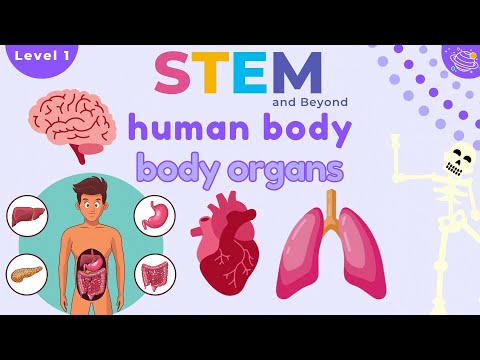
Did you know that your stomach could probably eat itself if it weren’t for a special lining? I mean, how wild is that?
Our bodies are like this incredible, complicated machine. Seriously! Every organ plays its part like a musician in a band. But, you don’t have to be a scientist to appreciate them.
Think about it: your heart beats tirelessly, your lungs work hard to keep you breathing, and your liver is like the body’s ultimate detox hero. It’s not just about what they do; it’s about how they connect and work in harmony.
So let’s take a little journey together. We’ll uncover some amazing facts and stories behind these organs that make us who we are. You ready? Let’s go!
Unveiling the Secret Organ: Exploring the Mysteries of the Human Body in Science
The human body is like this super intricate machine, right? It’s made up of tons of organs that each have their own weird and wonderful jobs. Seriously, some of these organs are total rock stars in the world of biology. And today, we’re going to unpack some of the most fascinating ones.
First off, let’s talk about the liver. This organ is often dubbed the body’s detox superstar. It does a lot more than just filter out toxins. The liver helps metabolize proteins and fats, makes bile for digestion, and even stores vital nutrients like vitamins A, D, E, K, and B12. Imagine it as your body’s personal cleanup crew—without it, well… things would get pretty messy!
Moving on to the kidneys. They might not get as much love as some other organs but trust me; they are crucial! These bean-shaped beauties filter blood to produce urine and regulate things like blood pressure and electrolyte balance. Ever heard about renal failure? That’s when these guys can’t keep up with their job. Like watching your favorite show buffer indefinitely—annoying and scary!
Now here’s something you probably didn’t think about: the skin! Yup, it’s an organ too! In fact, it’s the largest organ in your body. It acts as a barrier to protect you against harmful stuff while also keeping your fluids inside. Think about when you scrape your knee—your skin works overtime healing that mess up so you don’t lose too much blood or get an infection.
Let’s not forget about the heart. Ah yes! The muscle that keeps everything pumping along smoothly. The heart has four chambers that work together to circulate blood throughout your body. Imagine it as a tireless delivery service always on the move—bringing oxygen and nutrients wherever they’re needed.
And then there are our lungs! They’re like two big air bags constantly inflating and deflating as we breathe in fresh air (and release carbon dioxide). They allow our bodies to take in oxygen while getting rid of waste gases—a bit like opening a window for fresh air in a stuffy room.
In this vast orchestra of organs working together melodiously, **the brain** truly steals the show—it controls everything! From how we move to how we think and even how we feel. It’s basically the command center for all bodily functions.
But hey, did you know there are also lesser-known organs hiding in plain sight? For example:
- The spleen: It filters blood and fights infections.
- The gallbladder: Stores bile produced by the liver for fat digestion.
- The pancreas: Produces enzymes for digestion and hormones like insulin.
Each of these organs plays a unique role that impacts our health significantly.
So yeah! There’s so much wonder packed into each organ inside us—it makes me think back to a time when I got sick as a kid. Lying there feeling crummy made me realize how hard my body was working (even when I didn’t appreciate it). Our organs are like secret heroes keeping us alive day by day without us even noticing most of the time!
Next time you think about health or wellness, keep these unsung heroes in mind—their hard work deserves way more credit than they usually get!
Exploring the Underrated Organs of the Human Body: Unveiling Their Scientific Significance
You know, when we think about the human body, we often get caught up in the big players—the heart, lungs, and brain. But seriously, there are some underrated organs that deserve a moment in the spotlight. Let’s take a look at a few of these unsung heroes.
The Appendix
This little pouch might seem useless, but it has some tricks up its sleeve. The appendix is like a backup for your gut microbiome. It stores good bacteria that can help when your digestive system gets knocked out of whack. So if you ever thought the appendix had no purpose? Think again!
The Spleen
Now, the spleen is often overlooked. It’s not just chilling there; it plays a big role in your immune system. It filters blood and helps fight infections by producing white blood cells. Plus, it recycles iron from old red blood cells. Imagine it as a health club for your blood!
The Pineal Gland
This tiny gland sits right in the middle of your brain and is responsible for producing melatonin—yep, that hormone that helps regulate your sleep-wake cycle. You could say it’s like your body’s natural alarm clock! When light hits your eyes in the morning, this gland knows to cut back on melatonin production so you can wake up refreshed.
The Gallbladder
Often removed without much thought during surgery, the gallbladder does help with digestion! It stores bile produced by the liver and releases it when you eat fatty foods to aid digestion. So if you’re wondering why all those greasy fries don’t sit well after gallbladder removal—there you go!
The Thyroid
The thyroid might be small but packs a punch! Located at the base of your neck, it regulates metabolism through hormones like thyroxine. If it’s working too hard or not enough? You’ll notice changes in energy levels or weight rather quickly.
The Skin
Okay, so you might think “Well, that’s not underrated!” But hear me out: skin is often seen as just an outer layer acting as a barrier. However, it’s actually an organ with crucial roles—it helps regulate temperature and protect against pathogens while also sensing touch and pain.
So yeah, these lesser-known organs are more significant than they appear on paper! They work quietly but efficiently behind the scenes to keep everything running smoothly in our bodies—so next time you’re learning about anatomy or just thinking about how things work under the surface? Remember these cool organs rocking their less glamorous roles!
Exploring the Anatomy and Functions of the Human Stomach: A Scientific Overview
Sure thing! Let’s talk about the human stomach, a pretty fascinating part of our bodies.
First off, did you know that your stomach is like a fancy bag for food? Yeah, it’s not just a pouch; it has some serious multitasking skills! The stomach plays a crucial role in digestion. When you eat, food travels down your esophagus and plops into the stomach. Once there, it gets churned around and mixed with some powerful juices.
The anatomy of the stomach is pretty interesting too. It’s shaped like a J and can hold about 1 to 2 liters of food. It has four main parts:
The inner lining of your stomach is covered in mucus, which acts like a protective layer against those strong digestive acids. Seriously! If this mucus weren’t there, those acids would digest your own stomach lining!
Speaking of acids, here comes gastric acid, mainly hydrochloric acid (yikes!). This stuff breaks down proteins in foods and kills off bacteria that might wanna crash your party. You want to be careful though because if there’s too much acid hanging around—hello heartburn!
So how does this all work? Well, once you chow down, your brain gets busy sending signals to your stomach saying “Hey! Time to work!” That’s when muscles in the stomach wall start to move in waves—the process is called peristalsis. It’s kinda like giving your food a good shake-up before sending it on its way.
After all that mixing and churning, digested food turns into what’s called chyme (sounds kinda funny right?). Then this soup-like mixture gradually makes its way out through the pyloric sphincter into the small intestine, where further digestion continues.
And about nutrients—your stomach doesn’t absorb them directly; it mainly just prepares them for absorption later on in the intestines. But it does help break down those big chunks into smaller pieces so they’re easier for your body to handle later.
If you think about it for a second, it’s kind of wild how we take this whole process for granted every time we eat! Ever had that feeling when you’re so hungry but after eating felt everything settle nicely? That’s all thanks to your hardworking stomach.
In summary:
The human stomach, with its unique anatomy and functions:
So next time you’re munching on something delicious—maybe pizza or sushi—think about all the amazing things happening inside you! Your stomach’s got quite a job doing all this heavy lifting while you enjoy every bite!
The human body is honestly like the most complex piece of machinery you could ever imagine. I mean, just think about it for a second. You’ve got all these organs working together like a symphony, each one with its own job—some are big, some are small, and yet they all play a part in keeping us alive and kicking. It’s pretty mind-blowing when you really stop to think about it.
I remember this one time in high school when we had a field trip to a science museum. There was this crazy exhibit where they had real human organs preserved in jars. At first, I was freaked out—like, “Whoa! Is that a heart?!” But then I started reading the information next to them. They explained how each organ functions and why it’s so important. It made me realize how intricate our bodies really are!
Take the heart, for example. This little muscle pumps blood every single second of your life. It’s like the drummer in the band; if it stops or skips a beat, everything else is off rhythm too. Then there’s the liver; what an unsung hero! It filters those nasty toxins out of your blood while helping with digestion and even storing energy for when you need it.
And don’t even get me started on the brain! It’s like the control center of everything—your thoughts, emotions, movements… seriously, how does it manage all that? Some days I feel my own brain is overworked just trying to remember where I put my keys!
What’s wild is how interconnected everything is. If one organ has an issue, it can affect another part of your body entirely. You know that saying “you are what you eat”? Yeah, there’s some serious truth to that! What goes into your body plays a huge role in how well those organs function.
Learning about all this stuff kind of deepens my appreciation for being human—like wow, we’re walking miracles with systems that have evolved over millions of years! There’s so much wonder hidden within us. So next time you’re feeling tired or maybe even under the weather, take a minute to appreciate your body and all it’s doing behind the scenes while you’re just living life.
Honestly, every time I reflect on human anatomy,I find myself even more fascinated by science—and seeing how our bodies operate inspires me to take better care of myself because these organs deserve some love too!