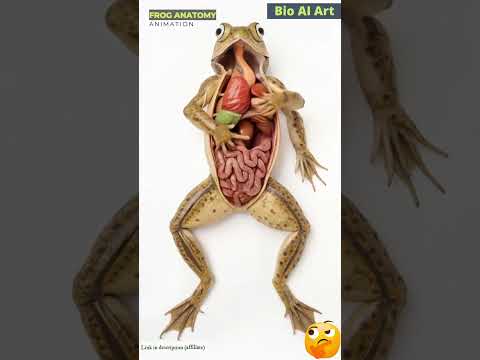
Have you ever seen a frog with a mouth so wide it looks like it just swallowed a baseball? Seriously, it’s like nature’s version of a joke gone too far!
These quirky creatures, with their crazy grin and unique habitats, can teach us so much. It’s not just about their funny faces though; it’s like they’ve got these super cool adaptations that help them thrive in the wild.
Think about it: how do they catch dinner or dodge predators? Their anatomy isn’t just for show. So, let’s hop into the fascinating world of frog mouth anatomy. You’ll be amazed at what you discover!
Unique Adaptations of Frogs: Exploring Evolutionary Innovations in Amphibian Biology
Frogs are super cool creatures, and their unique adaptations show just how creative evolution can be! One of the most fascinating parts of frog biology is their mouth anatomy. You might think it’s just a simple mouth, but oh no, there’s way more to it.
First off, let’s talk about their sticky tongues. Frogs have long, slimy tongues that can whip out and catch prey in a heartbeat. When you see a frog snag a fly mid-air, it’s like watching a tiny superhero in action. Their tongues are attached at the back of the mouth, which allows them to launch it out quickly and bring food back home with ease.
But that’s not all! Some frogs have specialized mouths for different diets. For instance:
- The budgett’s frog has a broad, flattened mouth perfect for gobbling up insects and even smaller frogs!
- The horned frog has a big mouth that practically screams “feed me!” It’s known for its voracious appetite and can eat almost anything that fits.
- In contrast, some tree frogs have smaller mouths adapted for catching tiny insects—just enough to survive in their leafy habitats.
Have you ever heard of the vocal sacs? This is where things get really interesting! Male frogs use these sacs to amplify their calls during mating season. When they croak, it’s not just random noise; they’re actually trying to attract females or ward off competition. The size and color of these sacs can vary widely between species—some look like balloons when inflated!
The structure of their jaws helps too. Many frogs have flexible jaw bones that let them open their mouths wide without difficulty. This adaptability means they can consume larger prey than you might expect. Imagine biting into something way bigger than your mouth—not easy for most creatures!
Anecdote time! I once watched a video of a frog eating what looked like an entire mouse! Its jaw stretched so much; I thought it was going to pop! Nature has its quirks—that’s for sure.
Another cool thing about frogs is how they manage moisture in their mouths. Frogs need to stay hydrated since they absorb water through their skin too. Having moist tissue inside helps them keep hydrated even when the weather’s dry.
You know what else? Some species even change colors through special cells in their skin when they’re being vocal or trying to impress mates. It’s like having mood rings on your body while you chat!
If we zoom out a bit, we see how frog adaptations tie into evolution as well—survival with style! Through various pressures like predation or environmental changes, these amphibians have evolved some pretty unique traits over millions of years. Adaptations aren’t just about looking cool; they’re essential for thriving in different habitats.
If you want to sum it up:
- Sticky tongues: Quick and effective hunting tools.
- Diverse diets: Mouth structures cater to specific food needs.
- Mating calls: Vocal sacs help amplify communication among frogs.
- Mouth flexibility: Allows consumption of larger prey items easily.
So there you have it—frogs are basically nature’s little survival experts with jaw-dropping talents that come from evolutionary innovation!
Exploring the Unique Adaptations of Frog Tongues: A Scientific Insight into Their Function and Evolution
Frog tongues? Oh, they’re like little superheroes of the animal kingdom! These slimy appendages do so much more than just help frogs eat. Let’s jump into the fascinating world of frog tongue adaptations and see what’s really going on.
First off, the structure of a frog’s tongue is pretty unique. It’s long and flexible, which allows them to strike fast at their prey. But here’s the kicker: *most frogs have their tongues attached to the front of their mouths, rather than at the back like we do*. This means when they launch their tongues out, they can actually retract them back in quickly—like a clever little slingshot!
Now, when a frog goes for its meal—usually something like insects or even small fish—it uses its tongue to flick out and snag its food. And you know what? Frog tongues are super sticky! That stickiness is thanks to special mucus glands that help grab onto slippery prey. Imagine trying to catch a fly with just your hands; it’d be tricky, right? But with that sticky touch, frogs have it down to an art.
And let’s talk about evolution for a second. Frogs didn’t just wake up one day with these amazing tongues. Over millions of years, they’ve adapted based on what works best for their environment and diet. For instance, some tree frogs have longer tongues because they need to reach insects hiding up high in trees. This adaptability helps them survive because if you can catch food better than your buddies can, you’re gonna be in good shape!
You might be wondering how this all connects back to their mouth anatomy. Well, it’s more than just tongue tricks; it’s all about coordination! The way frogs open their mouths wide when catching food allows them to create a vacuum effect that helps suck in their prey along with that flicking tongue. Talk about teamwork between body parts!
Interestingly enough, not all frogs have sticky tongues. Some species are more focused on capturing bigger prey and might not need that extra “stick.” They could use speed or force instead to catch dinner.
But here’s something cool: when a frog eats something that doesn’t quite fit right in its mouth—like an oversized bug—their bodies are designed to handle it well! They can actually regurgitate things they can’t digest properly without too much hassle.
So next time you see a frog catching its lunch, remember there’s some serious science behind those quick movements and sticky tongues. Nature really knows how to craft some impressive solutions for survival! And who would’ve thought such small creatures could teach us so much about adaptation? We could all learn a thing or two from our froggy friends!
Understanding Frog Anatomy: The Absence of Diaphragms and Its Implications in Evolutionary Biology
Alright, let’s hop into the world of frogs and their anatomy! You might not have thought about frogs much, but these little critters have some pretty interesting features. First off, one of the big things that sets frogs apart from us, and many other animals, is the absence of a diaphragm.
So, what’s a diaphragm? Well, it’s that muscle we all have under our lungs that helps us breathe. When you take a deep breath, your diaphragm contracts and moves down. This creates more space in your chest cavity and allows air to flow in. Simple enough, right? Frogs don’t have this muscle at all! Instead, they rely on other methods to get air into their lungs.
Frogs use a method called buccal pumping. Okay, let’s break it down: when a frog wants to inhale, it closes its mouth and lowers its throat. This movement pulls air into its mouth. Then it quickly closes its mouth and forces that air into its lungs by raising its throat again. It’s kind of like squeezing a balloon to push air out of it! Neat idea if you ask me.
Now think about this for a second: without a diaphragm, frogs can be more efficient in certain ways. By relying on their mouths for breathing instead of using muscles like we do, they can actually manage oxygen intake better while sitting still or resting in water. They’re equipped for an amphibious lifestyle where they might need to hold their breath for longer times while diving or waiting patiently for prey.
But here’s where it gets really cool—this absence has implications in evolutionary biology. See, when ancestors of modern amphibians evolved over hundreds of millions of years ago, they adapted differently than mammals did. While we developed complex lungs with diaphragms for efficient breathing on land, frogs took an alternate path based on their needs in both aquatic and terrestrial environments.
You could say that this difference reflects how species adapt to their circumstances over time—sort of like choosing different paths on the same journey depending on what you encounter along the way!
Also think about how frogs’ mouths are structured; they’re designed not just for taking in air but also for catching food—and boy do they catch food! Their long tongues whip out quickly to snag insects flying by. Imagine trying to catch dinner without any fancy tools—you’ve got to be fast and flexible!
So there you have it: the next time you see a frog plopping around or sitting quietly by the pond (maybe with a fly waiting nearby), remember how unique its anatomy is! They might not have diaphragms like us humans do—but those little green guys are perfectly equipped for their lives above water and below!
In summary:
- Frogs lack diaphragms, relying instead on buccal pumping.
- Their method allows efficient oxygen intake while resting.
- This absence highlights evolutionary adaptations suited for life both in water and on land.
- Their mouth structure supports feeding behaviors critical to survival.
Frogs are seriously fascinating creatures when you start digging deeper into their anatomy!
Have you ever stopped to admire the unique features of frogs? I mean, they’re not just cute little puddle jumpers; their anatomy is a masterpiece of evolution. Take their mouths, for instance. It’s both fascinating and, to be honest, a bit strange when you really think about it.
Frog mouths are designed for their lifestyle; they are predators that hunt insects and other small creatures. But here’s the kicker: did you know that a frog’s jaw structure allows it to open its mouth wide enough to catch prey that’s almost as big as itself? Imagine that! It’s like putting your whole face around a giant burger. Their tongues are pretty cool too. They’re sticky and long, perfectly adapted to snag food on the fly—literally.
Once, I was out hiking near a pond, and I caught sight of a frog leaping after an unsuspecting fly. It was spectacular! Watching its mouth snap open right before it lunged was like seeing nature in action. Just this quick flick and bam! The fly didn’t stand a chance. That moment really made me consider how every little detail in their anatomy plays into survival.
What’s even wilder is how some frog species have different mouth shapes depending on what they eat. Some might have broader jaws for gulping down larger prey, while others might be skinnier if they’re fishing for tiny snacks. You get this incredible diversity just because of their adaptations—like artists painting different styles onto the same canvas.
And let’s not forget about their teeth—or lack thereof! Frogs generally don’t have teeth like we do; instead, they have little dental ridges that help grip onto slippery insects. It’s all so ingenious when you think about it!
So next time you see a frog, take a moment to appreciate what’s going on behind those bulging eyes and wide grins. Their mouths tell stories of adaptation shaped by millions of years of evolution—a reminder that nature has its own way of solving problems with astonishing creativity! Isn’t it amazing?