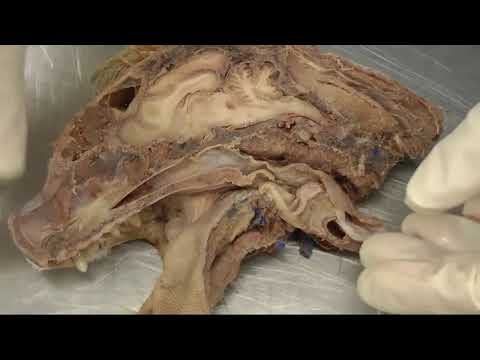
You know what’s wild? Cats have this crazy way of eating that’s totally different from dogs. Like, I once watched my cat, Luna, have a staring contest with a piece of chicken that was just out of reach. She looked so intense!
Anyway, once she finally got to it, her mouth went to work like a little machine. It got me thinking—what’s going on in that tiny feline mouth? You’d be surprised how much science is packed into that cute little face.
So, let’s chat about the structure of a cat’s mouth. It’s not just for looking adorable or licking your hand; there are some seriously cool functions at play here! Stick around and let’s uncover the magic behind that mouthful of whiskers and teeth!
Exploring the Functions of the Cat’s Mouth: A Scientific Analysis
Alright, let’s talk about the amazing little world inside a cat’s mouth. Seriously, if you think about it, there’s a lot going on in there that we often overlook. From how they eat to how they communicate, the cat’s mouth is a fascinating place filled with purpose.
First off, the structure of a cat’s mouth is pretty unique. They’ve got sharp teeth designed for tearing. You see, cats are obligate carnivores, which means they primarily eat meat. So their incisors are small and sharp for nipping at flesh and cutting through fur.
Next up are those amazing canines. These long, pointed teeth aren’t just for show; they’re perfect for grabbing and holding onto prey. Imagine your kitty stalking a mouse! Those canines play a crucial role in catching dinner. It’s like nature gave them built-in hunting tools!
The rest of the jaw has premolars and molars, which help grind down food after it’s been torn apart. They’re like your personal little meat processors! When you watch your cat munching on something, those teeth work hard to ensure everything is digestible.
You know what else is cool? The way cats use their mouths to communicate! Besides meowing or purring—yes, I know that’s not mouth-related but bear with me—cats also use their mouths to hiss or growl when feeling threatened or defensive. It’s all part of their body language.
The tongue deserves its moment in the spotlight too! A cat’s tongue is covered in tiny backward-facing hooks called papillae. This means when your feline friend licks itself clean, it’s not just grooming; it’s getting rid of dirt and loose fur while keeping its coat nice and tidy.
- Tongue Functions: Besides grooming, cats use their tongues for drinking water too. The tongue flicks rapidly to create a sort of scoop effect—seriously clever!
- Scent Communication: Ever seen a cat smell something up close? They’ll often lick things as part of exploring or tasting scents in their environment.
- Temperature Regulation: Cats might also lick themselves when they’re hot; it helps cool them down by evaporating moisture from their fur.
Ain’t that just wild? Now think about this: how many times have you watched your cat do something silly with its mouth? We all giggle when our pets act goofy! Well, sometimes that’s just instinct kicking in where they feel the need to “play” with food or toys using those specialized mouths of theirs!
Cats are truly remarkable creatures with enchanting little mouths that serve multiple functions—from feeding to expressing emotions. Their anatomy perfectly suits their lifestyles as hunters and companions. So next time you’re hanging out with your fluffy buddy, just remember what an incredible toolkit they’ve got hiding behind that cute little grin!
Exploring the Anatomical Structure and Function of Cat Lips in Veterinary Science
Alright, let’s get into the fascinating world of cat lips! You might not think about it often, but those little pouches of fur and skin are doing a lot more than just being cute. In fact, cat lips are pretty special when it comes to their anatomy and function.
First off, what are cat lips made of? Well, they’re primarily composed of skin and muscle. The outer layer is covered in fur, which keeps them warm and protected. But the real magic happens underneath! There’s this unique structure called the orbicularis oris muscle, which controls how the lips move. This muscle lets cats do all sorts of things like grooming, eating, and even showing some sass when they don’t want to be bothered.
Now, you know how humans have a distinct sense of taste? Cats have a different deal going on. Their lips contain sensory receptors that help them feel textures and vibrations. This is super important for hunting because it helps them figure out if something is worth chasing or not. Imagine your favorite snack—you can tell if it’s crunchy or soft just by touching it! Cats do the same thing with their prey.
Another cool aspect? The structure of cat lips aids in their grooming habits. Have you ever seen a cat licking itself? Their tongues are covered in tiny hook-like structures called papillae. These help grab onto loose fur and dirt while cleaning. The lips help guide this process too! They keep everything in check while grooming those fluffy coats.
And did you know that a cat’s body language can also be expressed through its lips? When a kitty feels relaxed or happy, its lips might relax into a softer shape. But when they’re feeling threatened or scared, those lips can pull tight against their teeth—kind of like warning other cats to back off!
Next up is food intake—a biggie for any creature’s survival. When cats eat, their lips play a vital role in keeping food inside their mouth while they chew using those sharp teeth. They help create a seal so that nothing goes flying out while they munch down on their favorite meal (we all know how messy eating can get sometimes!).
On top of all that—wait for it—cat whiskers also work hand-in-hand with their lips! Whiskers are super sensitive and can detect nearby objects in dim light. This helps cats navigate around even when they can’t see well at night because they’re mostly nocturnal hunters. So when they’re out at night looking for snacks (like unsuspecting mice), the combo of whiskers and lips ensures they’re doing it right.
In veterinary science, understanding these anatomical features is crucial—for example, during examinations or surgeries involving the mouth area. Recognizing how lip structure affects behavior or health can lead to better care tips for our feline friends.
So there you have it: from hunting techniques to grooming sessions and beyond—cat lips might seem simple but are packed full of complexity! Next time you see your cat lounging around or chowing down on dinner, take a moment to appreciate those nifty little structures working hard behind the scenes!
Exploring the Scientific Anatomy of a Cat’s Mouth: Structure, Function, and Neural Connections
Well, let’s talk about a cat’s mouth for a minute! Seriously, you might not think much about it, but there’s a whole lot going on in there. You know how cats are kind of mysterious creatures? Their mouths have some cool features that are essential for their well-being.
First off, let’s break it down into structure. A cat’s mouth has several key parts:
- Teeth: Cats have 30 teeth in total, and they’re designed mostly for grabbing and tearing meat. Think about it! They’re carnivores, so their teeth are sharp and pointy—perfect for ripping through flesh.
- Tongue: Now, this little muscle is pretty remarkable. It’s covered in tiny, hook-like structures called papillae. These help them lap up water and groom themselves like pros. Plus, the papillae act like a comb to scrape meat off bones when they eat. Wild stuff!
- Jaw: A cat’s jaw can only move up and down—which might seem limiting but is great for their feeding style. They don’t chew in the way we do; instead, they’ll tear large pieces of food apart.
And then there’s the soft tissue involved. The gums are important too! They help keep those sharp teeth secure and healthy.
But wait—that’s not all! The **function** of a cat’s mouth goes beyond just eating. For one thing, it plays a role in communication. Cats use their mouths to make all sorts of sounds. You’ve probably heard your furry friend meow or hiss before; it’s all part of their vocal repertoire which can tell us a lot about how they’re feeling.
Now onto something that really caught my attention: **the neural connections**! Cats have an intricate network of nerves that control their mouths and jaws. This means they can be super precise when biting down on something or grooming themselves. And let’s not forget about taste—cats have fewer taste buds than we do but are sensitive to amino acids found in meat, which makes sense considering that’s what they typically eat!
One time I watched my cat chase after her toy mouse with such determination—you could see her using her mouth not just for grabbing but also to “evaluate” her catch with those keen senses of hers.
So next time you’re petting your feline buddy or watching them munch on kibble (or maybe you have them doing crazy stunts chasing after random things), just remember all that is packed into that little mouth of theirs! It’s pretty fascinating when you think about the biological marvels at work beneath the surface. Cats really know how to use what they’ve got to survive—and thrive—in this big ole world.
Alright, so let’s chat about something that often goes unnoticed but is pretty fascinating: the structure of a cat’s mouth and all the cool stuff it does. I mean, if you’ve ever had a cat curl up next to you, you’ll know how much personality they carry in that little face, right? But there’s a lot more going on behind those pointy teeth and tiny tongues than we might first think.
You see, a cat’s mouth is like this specialized toolbox. First off, they have these sharp teeth designed for ripping meat. Yep, cats are carnivores at heart. Their canines are like little daggers, perfect for puncturing skin and tearing through muscle. I remember this one time when my friend’s cat went after an unsuspecting toy mouse. It was intense! The way those teeth sunk in—it’s almost like watching nature’s perfection in action.
Now, let’s talk about that tongue of theirs. It’s not just for grooming or lapping up water; it’s got these tiny backward-facing spines called papillae. These little guys are like nature’s own comb—helping them clean their fur and making sure they don’t miss any delicious bits when they’re eating. I once saw my cat go to town on a piece of chicken and it was like an art form; the precision was just impressive.
But there’s more! The structure of their mouths also plays a big role in their communication. Cats do this fascinating thing with their vocal cords and mouths to make all sorts of sounds—from purrs to those infamous “chattering” noises when they’re stalking prey (or your fingers). It’s almost as if they have this secret language we’re just starting to decipher.
To top it all off, our furry friends can even taste things differently than we do! They don’t have taste receptors for sweetness—maybe that explains why they seem so uninterested in your ice cream! Instead, they focus on protein-rich flavors which align perfectly with their hunting instincts.
Thinking about all this makes me appreciate them even more. It’s crazy how such small animals can be so perfectly tailored to survive—and thrive—in the wild. So next time you see your cat grooming itself or munching on its food with gusto, just remember there’s a lot happening in that little mouth beyond what meets the eye! Isn’t nature just wild?