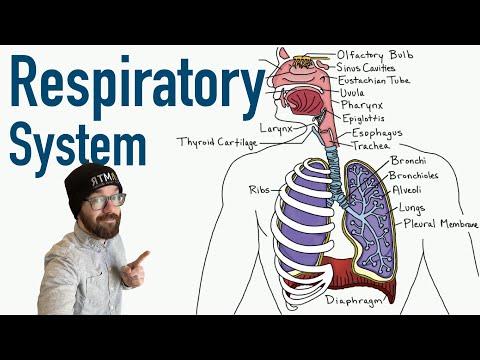
You know what’s wild? Your right lung is like the underdog of your respiratory system. Seriously! Most people don’t even think about it. But here’s a fun fact: it’s actually a bit bigger than the left lung. Crazy, right?
It’s like that friend who always plays second fiddle but secretly does all the heavy lifting. The right lung has three lobes, while the left only has two. Makes you wonder what it’s up to all day, huh?
Let’s dig into what makes this lung so special and how it keeps you breathing easy. Trust me, there’s more going on in there than you might think!
Identifying Respiratory Issues: Signs and Symptoms of Right Lung Dysfunction
The right lung has a pretty significant role in keeping us alive, you know? It’s divided into three lobes: the upper, middle, and lower lobes. Each of these lobes plays a part in gas exchange and helps to deliver oxygen throughout your body while taking away carbon dioxide. But when something goes off with the right lung, it can lead to some serious problems.
So, what are the signs and symptoms of respiratory issues related to right lung dysfunction? Here are some things to keep an eye on:
- Shortness of breath: If you’re feeling like you can’t catch your breath, especially during everyday activities, that’s a red flag. This could happen due to reduced air flow or even fluid buildup.
- Persistent cough: A cough that just won’t quit can be annoying at best. But if it’s coming from your right lung area and especially if there’s any blood involved—well, that’s something to check out.
- Pain in the chest: Discomfort or pain on the right side of your chest might indicate some underlying issues. You might feel it more when breathing deeply or coughing.
- Wheezing sounds: If you hear wheezing when you breathe, similar to a whistling sound—it could mean there’s an obstruction or inflammation in the air passages of that lung.
- Fatigue: Feeling unusually fatigued can sometimes be linked to how well your lungs are working. If they’re not operating smoothly, you might notice you’re more tired than usual.
You see, these symptoms don’t always point directly at right lung dysfunction—they might also hint at other health issues. For example, if you have a bronchial infection or COPD (chronic obstructive pulmonary disease), it might affect how well your right lung functions. I remember once my friend had this constant cough that freaked me out. Later on, after seeing a doc, he found out it was due to mild pneumonia affecting his right lung! Yeah… scary stuff.
If you start noticing any of these signs popping up regularly, it’s totally worth chatting with a healthcare professional. They might suggest tests like X-rays or CT scans to get a clearer picture of what’s going on inside there.
Your lungs do so much for you—the least we can do is pay attention when they’re trying to tell us something’s off! So stay alert for those signals; they’ll help keep your breathing smooth and easy.
Exploring the Five Essential Functions of Lungs in Respiratory Science
The lungs are pretty amazing organs, and they’re super important for keeping us alive and kicking. They have five essential functions that help you breathe and keep your body happy. Let’s break them down a bit.
1. Gas Exchange
The main job of your lungs is to help with gas exchange. What does that mean? Well, when you breathe in, your lungs take in oxygen from the air. At the same time, they get rid of carbon dioxide, which is like a waste product from our bodies. The oxygen goes into your bloodstream, while carbon dioxide is expelled when you breathe out.
2. Regulation of Blood pH
Your lungs also play a role in keeping the right balance of acids and bases in your blood, known as pH levels. If there’s too much carbon dioxide in your blood, it can make it more acidic. But when you breathe out more CO2, it helps raise that pH back to normal levels. It’s like a balancing act!
3. Protection Against Inhaled Particles
Did you know that your lungs have their own defense mechanism? Yeah! They filter out dust, pollen, and other tiny stuff that can sneak into the air you breathe. The lining of your lungs has cells that produce mucus to trap these particles. And if something goes wrong, tiny hairs called cilia sweep that mucus out to keep things clear.
4. Vocalization
Your lungs aren’t just for breathing; they help you talk too! When air passes through your vocal cords as you exhale, it creates sound vibrations—like when you’re chatting with friends or singing along to your favorite song. Without healthy lungs, communication would be way harder!
5. Temperature Regulation
Believe it or not, but the act of breathing also helps with temperature control in our bodies! When we exhale warm air from our lungs, it cools down a bit as it’s released into the environment—kind of like how sweating works as well! This helps maintain an even body temperature.
So yeah, the right lung (and left one too) does way more than just filling up with air; it keeps us alive through all these critical functions! Next time you take a deep breath or chat away with friends, remember how hard those little organs are working for you!
Understanding Lung Anatomy: A Comprehensive Guide to the Structure and Function of Human Lungs in Science
Okay, let’s chat about the lungs, specifically the anatomy of the right lung. You probably know that your lungs are those sponge-like organs that help you breathe. But they’re way more complex than you’d think!
The right lung is a bit bigger than the left one. Why? Well, it has to make room for your heart, which sits slightly to the left side of your chest. Imagine trying to fit a giant pillow into a smaller space; it just doesn’t work as well, right?
Now, if we break down this vital organ, we find some interesting details:
- Lobes: The right lung has three lobes—superior, middle, and inferior. Each lobe is like a compartment that helps keep things organized.
- Bronchi: Air enters through the trachea and splits into two main bronchi—one for each lung. The right main bronchus is wider and straighter than the left; this makes it easier for foreign objects to get lodged there (yikes!).
- Alveoli: These tiny air sacs are where the magic happens! They’re super small but add up to give you a massive surface area for gas exchange.
- Vascular System: Each lung has its own network of blood vessels. The pulmonary arteries take deoxygenated blood away from the heart to be oxygenated in the lungs.
Functionally, these parts work together in remarkable ways!
The lobes help you take deep breaths—inhaling oxygen-rich air while exhaling carbon dioxide. It’s like they’re bouncers at a club; only wanted guests (oxygen) get in while unwanted ones (carbon dioxide) leave!
Your lungs also have muscles around them called intercostal muscles and a big dome-shaped muscle called the diaphragm. When you breathe in, these muscles contract and expand your chest cavity like a balloon—pretty nifty! When they relax, everything goes back to normal size as air gets pushed out.
Lungs are also equipped with tiny hair-like structures called cilia that line your airways. They help sweep away dirt and germs so you can keep breathing clean air—kind of like having little janitors keeping things neat!
If you’ve ever caught yourself wheezing or feeling short of breath during exercise or when sick, it’s likely because something’s off with this system—the delicate balance can be thrown off by many factors.
So there you have it! Your right lung is an incredible piece of bio-engineering that keeps you alive every moment of every day. By understanding its structure and function better, maybe you’ll appreciate those breaths even more!
The right lung, what a cool piece of anatomy! Seriously, when you stop and think about it, our lungs do so much heavy lifting—quite literally. The right lung is slightly larger than the left, which is fascinating just by itself. It has three lobes, while the left only has two. It’s like the right lung is saying, “Hey, I’ll take on a little more work!”
I remember during a biology class in high school, we had to dissect pig lungs. Gross? Maybe a little. But let me tell you, seeing the bronchioles and alveoli up close was something else! Those tiny air sacs at the end of the bronchioles are where all the magic happens—this is where oxygen gets into our blood and carbon dioxide gets out. Just blows your mind how such small structures can play such a huge role in keeping us alive!
So what does this right lung actually do? Well, it helps us breathe in oxygen-rich air and expel carbon dioxide—a totally vital function if you ask me. During inhalation (you know when you take that deep breath), the diaphragm contracts and pulls down while intercostal muscles push out your ribs. This all creates space for air to rush in! In contrast, when we exhale, everything relaxes. It’s like a dance between our muscles and these incredible organs that keeps us going.
But it’s not just about breathing; there’s a ton of other stuff happening too! The right lung plays a key part in filtering out harmful particles from the air we breathe – think dust or smoke – helping protect our bodies from junk we don’t want hanging around. Also, it even helps regulate pH levels in our blood through gas exchange processes.
Can you picture how interconnected everything really is? Every breath you take isn’t just an inhale or an exhale; it’s part of this intricate system that keeps your body functioning smoothly. So next time you’re outside enjoying fresh air or feel that satisfying gasp during exercise, remember: your right lung is working hard for you—always ready to assist in life’s adventures!