You know that moment when you really need to go to the bathroom, and it feels like your bladder’s doing the cha-cha? Yeah, we’ve all been there! It’s like your body’s way of saying, “Hey! Pay attention to me for a sec!”
So let’s chat about what’s going on inside us when that happens. The urinary system is super interesting, even if it might not seem glamorous. It’s kind of like your body’s own personal waste management team, working hard behind the scenes.
Ever thought about how your kidneys are filtering blood and making pee while you’re just chilling on the couch? It’s wild! They’re like little factories in your body, keeping everything in balance.
In this little journey we’re taking through the anatomy of the urinary system, we’ll uncover why it matters so much to keep things flowing smoothly. Grab a drink—just maybe not too much if you’re planning on going anywhere soon!
Understanding Urinary System Function: Insights into Human Physiology and Health
The urinary system might not be the most glamorous part of human physiology, but it’s super important for keeping you healthy. Seriously, it does a lot more than just help you go to the bathroom.
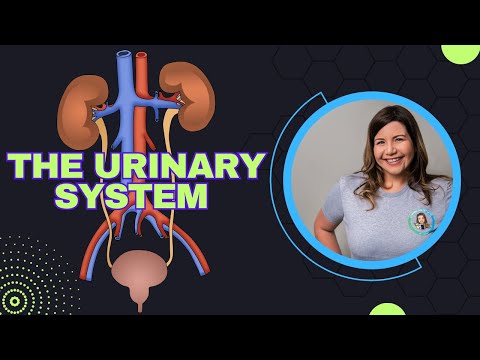
What is the urinary system? Well, it includes a bunch of organs that work together to filter blood and remove waste. This whole process helps maintain your body’s balance of water, salts, and other things. You’ve got the kidneys, ureters, bladder, and urethra. They’re like a little team working together.
The kidneys are the stars of this show. These bean-shaped organs sit in your lower back and act like filters. They take out waste products from your blood and make urine. It’s wild when you think about how much blood they filter—like over 100 quarts every day! That’s almost enough to fill an entire bathtub!
Then you’ve got the ureters, which are thin tubes that carry urine from your kidneys to your bladder. Imagine these guys as delivery drivers for all that waste. They don’t just dump it anywhere; they carefully move it along thanks to tiny muscle contractions called peristalsis.
Once the urine reaches the bladder, things get interesting. Your bladder is like a balloon that can stretch as it fills up with urine—it can hold about 16 ounces! When it’s time to go, nerve signals tell your brain that you need to release it through another tube called the urethra. For some people, controlling this release can be tricky—think potty training as an adult!
Now let’s chat about why this matters for your health. The urinary system helps regulate blood pressure and electrolyte balance in your body. It even plays a role in producing hormones that help control red blood cell production and calcium metabolism.
For instance, if you’re dehydrated (you know how when you forget to drink water?), your kidneys sense that and produce less urine to keep what little water you have left within your system—incredible, right? Conversely, if you’re well-hydrated or have too much salt in your diet, they’ll kick into gear and filter out more liquid.
But if something goes wrong with any part of this system? Yikes! You could end up with infections or kidney stones—both no fun at all! Trust me; I’ve heard stories where people talk about passing stones like they’re sharing war stories!
In summary, understanding how your urinary system works gives you insight into not only how we get rid of waste but also how our bodies maintain balance in so many other ways. You really start appreciating those little beans (the kidneys) when you think about their hard work behind the scenes!
Comprehensive Overview of the Urinary System: Anatomy and Functions Explained
The urinary system is pretty fascinating, don’t you think? Seriously, it’s like our body’s own waste management crew. So, let’s break down its anatomy and functions without getting all technical and boring.
The Major Components
First off, the urinary system has a few key players:
- Kidneys: These bean-shaped organs are your body’s filters. They remove waste from your blood and balance important minerals like sodium and potassium.
- Ureters: Once the kidneys do their thing, urine travels down tubes called ureters. They’re like highways for urine—about 10 to 12 inches long.
- Bladder: This is where the urine hangs out until you’re ready to go. Your bladder can hold about 16 ounces or so, which is pretty impressive!
- Urethra: Finally, this little tube lets the urine leave your body. In males, it’s longer than in females—so there’s that fun fact!
Kidneys: The Heavy Lifters
Let’s get into those kidneys a bit more. Each one contains about a million tiny filtering units called nephrons. Think of them as little factories that take out waste and excess water from your blood.
When blood enters the kidney, it goes through these nephrons. Here’s where it gets cool: they filter out things like urea (that stuff from breaking down protein), excess salts, and extra water to create urine. It’s now a cocktail of what your body doesn’t need anymore!
The Ureters: The Transporters
Now that we have some urine made in the kidneys, it has to travel somewhere—that’s where ureters come in! They work by using muscle contractions to push urine down toward the bladder.
It’s kind of like squeezing a toothpaste tube; the muscles keep things moving along smoothly.
The Bladder: The Storage Facility
Once the urine hits the bladder, it can chill there until it reaches its limit. When you feel that urge to pee (and we all know what I’m talking about!), your bladder has stretched out because it’s full.
You might not know this but there are nerves in your bladder that signal when it’s time to go! How cool is that?
The Urethra: The Exit Door
Finally comes the urethra—the exit strategy for all that hard work! It opens up when you decide to let your body do its thing. In men, it’s also used for delivering sperm during ejaculation—multi-tasking at its finest!
The Functions of the Urinary System
So besides just getting rid of waste materials, what else does this system do? Well:
- Regulates Blood Volume: By controlling how much water is reabsorbed back into circulation.
- Bodily pH Balance: Keeps you from being too acidic or basic by releasing hydrogen ions or bicarbonate as needed.
- Electrolyte Balance: Maintains levels of key chemicals like sodium and potassium in our bodies.
- Toxin Removal: Filters out drugs and other toxins from our bloodstream.
Feeling overwhelmed yet? Don’t be! Just remember that while all these parts might seem complex on paper (or screen), they work together seamlessly every single day.
You ever had one of those moments where you’re just thankful for something simple? Like realizing how awesome it is when everything just works right—like peeing without any issue! Well yeah, that’s thanks to this amazing urinary system doing what it does best!
Exploring the Seven Essential Functions of the Urinary System in Human Physiology
The urinary system is kind of like the body’s internal cleanup crew. It helps us maintain balance and get rid of waste products. When you think about it, you might realize just how vital this system truly is!
1. Excretion of Waste Products
First off, one of the main functions is to remove waste from the bloodstream. You know those tiny bits that your body doesn’t need anymore? Well, the kidneys filter your blood and kick out things like urea, creatinine, and excess salts. These are then expelled via urine. Imagine if all those leftovers just piled up in your kitchen—yikes!
2. Regulation of Blood Volume and Pressure
Next up, it plays a crucial role in controlling blood volume and pressure. Your kidneys can adjust how much water they filter out into urine. If you’re hydrated, they might let some excess water go. But if you’re dehydrated? They’ll keep more water in your body to help with that balance.
3. Regulation of Electrolytes
Electrolytes are minerals in your body fluids that help with things like muscle function and nerve signaling—think sodium or potassium! The urinary system keeps these levels balanced by either excreting or reabsorbing them when needed. If you sweat a lot or eat salty foods, your system works hard to keep everything in check.
4. Acid-Base Balance
Another biggie is maintaining your body’s pH level—basically how acidic or basic your blood is. Your kidneys help regulate this by getting rid of hydrogen ions and reabsorbing bicarbonate from urine as necessary. This part’s super important because too much acidity can throw lots of things off balance.
5. Production of Hormones
Did you know the urinary system produces hormones too? Yup! For instance, it makes erythropoietin (EPO), which tells bone marrow to produce more red blood cells when there’s not enough oxygen circulating around—like during intense exercise or at high altitudes.
6. Metabolism of Vitamin D
Another cool function is in the metabolism of Vitamin D! The kidneys convert inactive Vitamin D into its active form, which helps absorb calcium from our diets for strong bones and teeth—seriously important stuff considering how many folks deal with bone issues later on!
7. Homeostasis Maintenance
Last but definitely not least, the urinary system also keeps our internal environment stable—a process called homeostasis. It balances fluid levels, electrolytes, acid-base levels—you name it! This allows other systems in the body to operate smoothly without hiccups.
So when you consider all these functions together, it’s clear that the urinary system isn’t just about peeing (although that’s super important!). By working behind the scenes to flush out waste and regulate essential elements in our bodies, it helps keep us healthy every day!
The urinary system, huh? It’s one of those things that, like, we rarely think about until it doesn’t work right. I mean, who even considers the miracle of peeing on a daily basis? But when something is off—like, those moments when you’re stuck in traffic and suddenly your bladder is shouting at you—it really hits home how important it is.
So, the urinary system mainly includes the kidneys, ureters, bladder, and urethra. Just picture this: your kidneys are like these little bean-shaped powerhouses sitting in your back, filtering out the waste from your blood. They’re doing their thing quietly and efficiently—that’s where urine begins its journey! And then there are the ureters that act like tiny tubes carrying urine down to the bladder. It’s almost like an amusement park ride for pee—whoosh!
Now let’s talk about the bladder. Ahh yes, our trusty balloon-like friend that stores all that liquid gold until you actually need to go. Ever had one of those moments where you’re holding it in and then finally make a dash for the restroom? There’s nothing quite as relieving as letting go after holding on for too long! Such a simple action but man does it feel fantastic.
What’s really cool about this system is how it plays a vital role beyond just getting rid of waste. Seriously! It helps maintain our body’s balance of fluids and electrolytes. You might not realize it, but every time you hydrate or eat something salty, your kidneys are all over it—adjusting how much water to keep or toss out. It’s like they’re constantly working behind the scenes to keep everything in check.
I remember once being super sick with a stomach bug—yeah you know those awful times when every part of your body seems to be against you? I couldn’t keep anything down and was losing fluids left and right. That was when I truly appreciated my urinary system because without it functioning properly (even at its worst), I could’ve ended up severely dehydrated.
So yeah, next time you’re in a public restroom—a place we often complain about—take a second to appreciate what’s going on inside you while you’re there! Our urinary system isn’t just about peeing; it keeps us balanced and healthy in so many ways. Quite impressive if you think about it!