You know that moment when you bump your funny bone and it feels like lightning shot up your arm? Yeah, that’s a solid reminder of just how connected your body is! Seriously, our skeleton isn’t just a bunch of bones stacked together. It’s more like the framework of a super cool house built for the most complex machinery ever—us!
So, picture this: every time you take a deep breath, move your arm, or even laugh (hard!), there’s a whole team of bones and organs working together in harmony. It’s like the ultimate dance party going on inside!
Let’s take a stroll through the wild world of our human skeleton and see how it hangs out with vital organs. Trust me; it’s pretty mind-blowing to think about what holds us all up. Ready to jump in?
Exploring the Vital Organs of the Human Skeleton: A Scientific Overview
Sure! Let’s chat about the human skeleton and its connection to our vital organs. It’s pretty cool how everything is interlinked inside us, you know?
First off, your skeleton isn’t just there to give you shape; it plays a crucial role in protecting your vital organs. Think of your skull – it’s like a hard hat for your brain. It keeps all that delicate neural circuitry safe from bumps and falls.
Now, let me break down some key points about major organs and their bony shields:
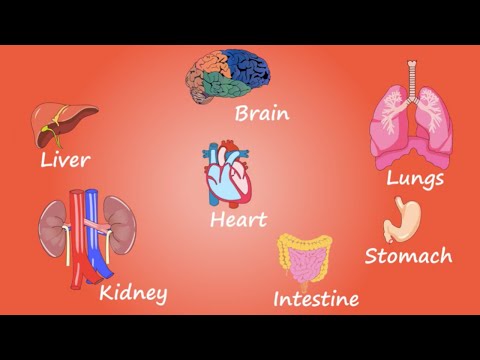
- Heart: Your rib cage is like this fortress that keeps your heart safe. It’s made up of ribs that curve around and create a protective wall. One little punch to the chest isn’t gonna knock out the heart, thanks to this bony armor!
- Lungs: The rib cage also protects your lungs, those spongy organs where all the breathing magic happens. Every time you inhale, these guys expand like balloons but are held in place by those ribs.
- Spinal Cord: The spine is another interesting piece of the puzzle! It houses the spinal cord, which is like a communication highway for signals between your brain and body. If it gets damaged? Well, that’s where things can get really complicated.
- Liver: Although not encased in bone like the heart or lungs, the liver hangs out under the ribs on your right side. It has some protection but isn’t fully shielded by our bony structures.
- Spleen: Speaking of things not fully protected by bones, there’s the spleen! It’s tucked away on the left side under those ribs too but only has partial cover from bones compared to others.
You see? The skeleton isn’t just about structure; it’s about **supporting**, **protecting**, and **interacting** with these vital organs. Even though bones are strong and rigid, they’re also flexible enough to absorb shock – kinda like when you jump on a trampoline!
Here’s something interesting: Ever had a bad fall that makes you catch your breath? That jolt often comes from your brain doing its job—telling you something’s not right—and that rib cage bouncing around keeps all those vital functions running smoothly while you assess what just happened.
Another fun fact: The connections don’t stop at protection! Muscles attach to bones via tendons, allowing movement of our arms and legs which supports organ activities such as digestion or circulation more effectively.
So next time you’ve got a cramp or feel tight in the chest after a long run (or maybe from those late-night snacks), remember it comes back to this intricate design connecting what we see (the skeleton) with what’s working behind the scenes (the organs). Pretty neat, right?
The human body is like one massive cooperation where every part does its bit. Your skeleton really does play an essential role in keeping everything together—literally!
Understanding the Skeletal System: How Bone Structure Safeguards Vital Organs
Your skeleton is like a superhero suit for your body. It’s tough, but it’s also a bit flexible, which helps you do all those cool things we take for granted. Seriously, think about it. Whenever you jump, run, or even just sit down, your skeleton is right there supporting you.
So, what exactly is the skeletal system? Well, it’s made up of bones—206 of them in the average adult! This structure isn’t just for looks; it’s a complex framework that does tons of important stuff. Bones come in different shapes and sizes because they serve various functions.
Let’s break down some key roles the skeleton plays in guarding your vital organs:
- Protection: Your skull is like a helmet for your brain—it cradles and protects it from harm.
- Support: The vertebral column keeps your spine straight and supports the weight of your head.
- Movement: Bones act as levers when muscles pull on them. Ever tried to lift something heavy? Your bones are working hard to help.
- Blood Cell Production: Inside certain bones, like your long bones (think arms and legs), there’s bone marrow that creates red blood cells.
- Mineral Storage: Bones store minerals like calcium and phosphorus. When your body needs them, it can tap into this reserve!
Think about the ribs for a second. They form a cage around vital organs like the heart and lungs. If you didn’t have ribs protecting those organs, every little bump could cause serious damage. Imagine getting elbowed while playing basketball—your ribs help keep everything inside safe.
And here’s an interesting tidbit: bones are living tissue! They’re not just rigid structures; they’re constantly breaking down and rebuilding themselves through a process called remodeling. This means that even if you break a bone (which would really hurt!), your body has an incredible way of healing itself over time.
But here’s something to consider: as you age, things change. Your bones can become weaker—a condition known as osteoporosis—which makes them more fragile and prone to fractures. That’s why it’s super important to eat well and stay active; you want those bones strong so they can keep doing their job!
So overall, the skeletal system isn’t just a bunch of hardened tissue stuck together; it’s organized chaos that works tirelessly every day to protect some of the most crucial parts of your body while letting you move freely through life. And honestly? Pretty cool if you ask me!
Understanding the Interconnectedness of Organs in the Skeletal System: A Scientific Exploration
The human skeleton is more than just a sturdy framework holding us up. It’s like the ultimate team player, working closely with various organs and systems to keep everything in harmony. The thing is, while we often think of bones as solid pieces, they really are dynamic and involved in numerous interactions throughout our body.
So, let’s break this down a bit. The skeletal system consists of 206 bones in adults, along with cartilage and ligaments. These bones aren’t just sitting there—they’re busy doing a ton of jobs! Here’s how they connect with other vital organs:
- Protection: Bones like the skull and rib cage act as shields for delicate organs. Your brain is safe inside the skull, while your ribs guard your heart and lungs. Isn’t it cool how they work together?
- Blood Cell Production: Within some bones (especially the long ones), there’s this spongy stuff called bone marrow. This is where red blood cells, which carry oxygen, are made! So even though we think of blood as flowing through veins, it all starts from within our skeletal system.
- Mineral Storage: Bones store minerals like calcium and phosphorus. When your body needs these minerals for things like muscle function or nerve signaling (you know—everyday stuff), it takes them right from your bones! So yeah, bones are like personal mini-treasure chests.
- Movement: Joints connect different bones together so you can move around easily. But here’s where it gets interesting: muscles are attached to bones via tendons. When muscles contract, they pull on bones to produce movement—so without that connection, you wouldn’t be doing much!
Your skeleton has a real buddy-buddy relationship with your other systems. For instance, consider the respiratory system: the rib cage expands and contracts during breathing thanks to movements of the diaphragm—a muscle below your lungs that also connects back to those ribs! This teamwork helps us inhale oxygen and exhale carbon dioxide smoothly.
I remember learning about this interconnectedness when I was much younger; I was fascinated by how everything seemed to rely on each other in such an intricate dance. My science teacher once said that if one part isn’t working properly—like if you break a bone—it can affect how nearby organs function too; it all felt so mind-blowing!
The skeleton also plays a role in communication between different organs via the nervous system by protecting nerves that run through it—just think about your spine! It houses the spinal cord, which transmits signals from your brain to various parts of your body.
This bond between our skeleton and vital organs paints such a vivid picture of how our bodies function as a whole. It’s not just about hard structures; it’s about collaboration at every level!
The next time you marvel at how well you can move around or think deeply about something—or even breathe—remember that behind all this awesomeness is your amazing skeletal system connecting everything together!
You know, when you think about the human skeleton, it’s easy to picture just a bunch of bones. But seriously, it’s so much more than that! I mean, your skeleton is like this incredible framework that supports everything you do. It’s not just about holding you up; it’s also connected to all your vital organs in these fascinating ways.
Take a moment and think back to a time when you got hurt—maybe it was a sprained ankle from running around too fast or even that time you fell off your bike. Ouch! Those moments really made me appreciate how interconnected everything is. The bones, like the femur or the ribs, aren’t just there for show. They protect vital organs and allow our bodies to work as a cohesive unit. Like, your rib cage is doing some serious heavy lifting by protecting your heart and lungs every single day. Pretty cool if you ask me!
And here’s something interesting: do you know that certain bones are actually involved in the production of blood cells? Yeah! The marrow inside bones like your femur and pelvis plays a huge role in creating those little red blood cells that carry oxygen throughout your body. It’s wild how interconnected our systems are.
Also, let’s talk about joints for a second! They’re literally where the magic happens—how we move around without turning into stiff robots. Without joints, you wouldn’t be able to bend down to tie your shoes or lift that snack up to your mouth—life would be a mess!
What blows my mind is how our skeleton adapts over time too. You know how when you start exercising more or change up what you’re doing daily? Your bones actually strengthen themselves in response! It’s like they’ve got their own way of saying “Hey, we can handle this!”
So yeah, when I take time to reflect on my own body structure and its connection with vital organs, it truly feels like I’m in this elaborate dance of bones and tissues working together seamlessly. Our skeleton really isn’t as boring as it might seem at first glance. It’s alive with purpose and functionality! And honestly, it makes me appreciate my body just a bit more every day.