You know, the first time I heard about FTIR spectroscopy, I thought it was some kind of secret agent gadget. Like, “James Bond, what’s that?” But then I found out it’s actually this super cool tool used in science.
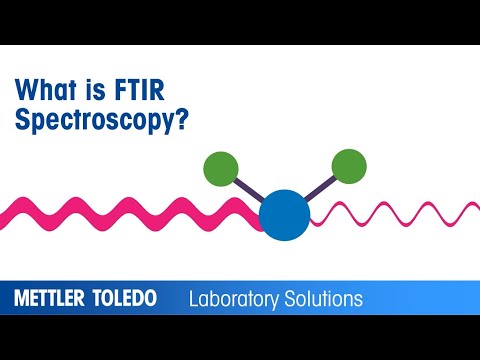
So, FTIR stands for Fourier Transform Infrared Spectroscopy—yeah, try saying that three times fast! Basically, it helps scientists figure out what stuff is made of by measuring how molecules absorb infrared light. Crazy, right?
Imagine being able to look at a tiny sample and unveil its entire chemical makeup like you’re opening a treasure chest. That’s what FTIR does! Whether it’s in chemistry labs or environmental studies, this technique is popping up everywhere these days.
Let me share a little story. A friend of mine once used FTIR to identify a mysterious powder he found in his garage while cleaning out old junk. Turns out, it was just an old spice mix gone bad—but the fact that he could get answers from something that seemed so random? That blew my mind!
So stick around as we dive into some real-life applications of FTIR spectroscopy in modern research—it gets even wilder from here!
Exploring FTIR Spectrum Applications in Modern Scientific Research: A Comprehensive Guide (PDF)
The Fourier Transform Infrared (FTIR) Spectroscopy is one impressive tool in the scientific world. If you’re curious about how it’s applied in modern research, you’re in for a treat. This technique is all about analyzing materials by measuring how they absorb infrared light. The results are what we call FTIR spectra, an essential part of understanding various compounds.
So, like, what can FTIR do? Well, it’s widely used across multiple fields. Here are some key applications:
- Organic Chemistry: Researchers use FTIR to identify functional groups in organic compounds. For example, if you’re analyzing a new drug compound, FTIR helps determine the presence of alcohols or amines.
- Material Science: In this area, FTIR assists in characterizing polymers and composites. Imagine you’re creating a new type of plastic; FTIR can help you figure out its composition and any impurities.
- Environmental Science: Scientists often analyze pollutants using FTIR. Think about tracking air quality—FTIR can identify gases like carbon dioxide or methane quickly and accurately.
- Forensics: In crime labs, it’s super useful for identifying unknown substances found at crime scenes. A tiny sample can reveal a ton about what was involved in an incident.
Using FTIR isn’t just easy-peasy; it also packs a lot of data into one go! You see, instead of scanning wavelengths one by one—a bit tedious—FTIR captures all that info simultaneously. It’s like taking a selfie at the best moment instead of snapping photos over time.
You might be wondering about the increasing use of FTIR imaging techniques. This involves collecting spatially resolved data over an area instead of just point analysis. It’s game-changer for studying things like biological tissues or complex mixtures where understanding the distribution is crucial.
And there’s something pretty emotional I’d love to share as well: Imagine a researcher working late one night on developing a life-saving drug that could help millions. They rely on FTIR to guide them through every small step—confirming structural integrity and ensuring purity—all while fueled by coffee and optimism, right? The outcomes? Not just numbers on paper but potentially saving lives!
In summary, FTIR spectroscopy is seriously versatile with applications spanning many fields—from chemistry to environmental science or even crime investigation! Its ability to give quick insights into material structures enhances our understanding and pushes scientific boundaries further than ever before.
Pretty cool stuff when you think about it!
Exploring FTIR Spectrum Applications: Insights and Innovations in Modern Scientific Research
The FTIR spectrum, or **Fourier Transform Infrared Spectroscopy**, is a powerful analytical technique that’s widely used in modern scientific research. Basically, it helps us understand the composition of materials by measuring how they absorb infrared radiation. Think of it as a way to “see” the chemical fingerprints of substances.
When you shine infrared light on a sample, certain wavelengths get absorbed based on the molecular bonds within that sample. Each molecule vibrates in its unique way, and that creates a spectrum—a sort of visual representation of what’s happening at the molecular level. It’s like decoding a secret message written by the molecules themselves!
One cool application of FTIR is in **material science**. Researchers often analyze polymers to understand their properties better. For instance, if you’re developing a new type of plastic, FTIR can help identify if the chemical structure is what you want for durability or flexibility. It’s all about getting those details right.
In **biomedicine**, FTIR shines too! Scientists use it to analyze biological tissues or fluids like blood. Let’s say you’re trying to diagnose a disease; FTIR can help identify specific biomarkers associated with certain conditions just by looking at those molecular vibrations. Imagine having a tool that tells you about health from just a tiny drop of blood—how amazing is that?
Another exciting area is **environmental science**. FTIR can detect pollutants in air and water samples. Picture researchers grabbing water from a river and using FTIR to find out if there are any harmful chemicals lurking inside. It makes tracking environmental issues much more efficient and effective.
And we can’t forget about applications in **food science**! Have you ever wondered what’s really in your food? With FTIR, scientists can check for additives, preservatives or even contaminants without needing complex sample prep or invasive methods.
Here are some key points about why the FTIR spectrum is so valuable:
- Versatility: It’s used across different fields from chemistry to biology to materials science.
- Non-destructive: The samples don’t get altered during analysis, which means you can keep using them.
- Rapid results: You get data quickly—no one likes waiting around for answers!
- Sensitivity: It can detect even tiny amounts of substances in mixtures.
What’s fascinating is how innovations continue to emerge within this field! There are advancements like imaging techniques where you can visualize distributions of chemicals across surfaces—pretty wild stuff! Or even portable devices making it easier for fieldwork; imagine taking lab-quality measurements straight from your backyard!
In sum, exploring FTIR spectrum applications reveals its profound impact on many research areas today. It opens doors for innovation and deeper understanding across various scientific disciplines, making it an invaluable tool for researchers everywhere!
Exploring FTIR Spectrum Applications in Modern Scientific Research: Insights and Innovations of 2022
So, let’s talk about FTIR, or Fourier Transform Infrared Spectroscopy, which is basically a fancy way that scientists use light to figure out what stuff is made of. You shine infrared light on a sample and then analyze how that light interacts with the molecules in the sample. It’s like giving your material a little shine and seeing how it reacts!
Applications of FTIR Spectrum are everywhere in modern research. You can find it in chemistry labs, biology experiments, even materials science. Here are some cool ways it’s being used:
- Identifying Compounds: Researchers use FTIR to determine the chemical makeup of a substance. Think about analyzing an unknown liquid. By checking its IR spectrum, scientists can identify what compounds are present.
- Monitoring Reactions: FTIR helps track chemical reactions in real-time. For example, if you’re looking at how two chemicals mix together over time, FTIR can show changes in molecular vibrations as the reaction happens.
- Quality Control: Many industries use FTIR to ensure that their products meet specific standards—like cosmetics or pharmaceuticals. If something doesn’t match the expected spectrum, it might be a sign that something went wrong.
- Biospectroscopy: In life sciences, FTIR can analyze biological samples like tissues or cells. This gives insights into health conditions by comparing spectra from healthy vs unhealthy tissue.
- Material Characterization: Scientists also use this technique to study new materials—like polymers or nanomaterials—to see how they behave under different conditions.
Honestly, there was this time I read about how a group of scientists used FTIR to study a rare plant species for medicinal properties. By breaking down its chemical composition through its spectrum, they unlocked secrets about its potential healing powers! Pretty amazing how such technology can reveal so much.
Now let’s chat about some innovations. Recent advancements have really smoothed out the wrinkles in using FTIR more effectively:
- Automation and Speed: New tech has made machines faster and more precise! Previously slow processes now happen at lightning speed.
- Molecular Imaging: By combining FTIR with imaging techniques, researchers can now get detailed pictures of where specific compounds are located within a sample!
- Portable Devices: Scientists have developed handheld devices for fieldwork. So instead of lugging heavy equipment around lab environments, you can take quick measurements right on-site!
The thing is, 2022 saw more researchers turning towards sustainable practices. With environmental shifts and pushes for greener science methods gaining traction; it’s exciting to see how tools like FTIR contribute by offering less wasteful ways to analyze materials.
All said and done, when we think about “Exploring FTIR Spectrum Applications,” it’s clear this tool isn’t just sitting pretty on lab shelves! With its wide array of uses—from identifying substances to enhancing our understanding of new materials—it’s certainly reshaping scientific research today and beyond!
You know, when I first stumbled upon FTIR—Fourier Transform Infrared Spectroscopy—I was a bit baffled. I mean, it sounds super high-tech, right? But what really got me was how useful this tool is in modern scientific research. It’s like having a superpower for chemists and material scientists!
So, here’s the deal: FTIR helps you figure out what kinds of molecules are in a sample by measuring how they absorb infrared light. When you shine that light on something, the molecules vibrate in specific ways depending on their structure. The result? You get a spectrum that looks a bit like a musical score but for molecules. Each peak tells you something about the molecular bonds. Seriously cool, huh?
I remember a time back in college when my lab partner accidentally spilled some mysterious liquid on the bench. We had no clue what it was—could’ve been harmless or toxic! Luckily, we had access to FTIR. Within minutes we were able to analyze it and figured out it was just an old solution of sodium chloride! What a relief! That moment really opened my eyes to how crucial tools like this are not just in fancy labs but in everyday situations too.
Now, let’s talk about applications because that’s where FTIR gets even more interesting. In food science, for example, you can use it to check the quality of oils or detect contaminants without destroying your samples. In environmental research, scientists can monitor pollution levels by analyzing air samples with ease.
And then there’s biomedical research! You might be amazed to learn that FTIR can help identify disease markers in tissues or even track down proteins related to certain illnesses. The ability to do this non-invasively is pretty much game-changing.
But wait—I should mention that while FTIR is fantastic, it’s not without its quirks. For instance, water tends to absorb infrared light too, which can complicate things if you’re working with biological samples. So researchers often have to get all creative with sample preparation and techniques!
Anyway, just thinking about FTIR makes me appreciate how science has these powerful tools at its disposal nowadays. It feels like every day there’s something new being discovered or developed thanks to techniques like this—making life safer and smarter for all of us. So next time you hear someone mention FTIR at a party (which could happen!), maybe you’ll see why it’s such an exciting topic in modern science!