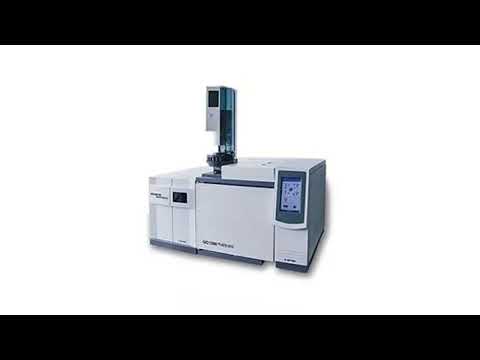
You know what’s wild? The first mass spectrometers looked like they belonged in a sci-fi movie. Seriously, they were huge contraptions! Fast forward to today, and we’ve got these sleek machines that fit right into our labs. But here’s the kicker: the prices can make your head spin.
I mean, one minute you’re daydreaming about groundbreaking research, and the next, you’re staring at a price tag that says “I hope you’ve saved up!” It’s like shopping for a car but with way more complicated science.
So, if you’re in a research lab and feeling a bit lost in the sea of pricing options for GC mass spectrometers, you’re not alone! Let’s chat about how to weigh those costs without losing your mind—or your budget. Sounds good? Let’s get into it!
Comparative Analysis of GC Mass Spectrometer Pricing for Research Laboratories in the Scientific Community
Alright, so let’s chat about gas chromatography mass spectrometers (GC-MS) and their pricing in research labs. These bad boys are like the super detectives of the lab world. They analyze complex mixtures and help identify compounds, which is super crucial for everything from environmental testing to food safety. But hey, when it comes to budgeting for one of these machines, things can get a bit tricky.
First off, the price range for GC-MS systems can be pretty vast. You might find some entry-level models starting around $50,000, while high-end versions can go way over $200,000. What gives? Well, it all boils down to a few key factors:
- Technology: The type of detection system matters a lot. For instance, a system with a triple quadrupole mass spectrometer typically costs more than one with single quadrupole technology.
- Brands: Different brands come with varying reputations and service agreements. Some are known for reliability and customer support, which can add to the cost.
- Features: Advanced features like higher sensitivity or integrated software for data analysis will bump up the price as well.
- Service and Warranty: You sometimes need to think about maintenance contracts that could last years. They’re essential but will definitely add to your budget.
If you’re running a smaller lab or just starting out, it’s natural to feel overwhelmed by these prices. You might even remember that time back in school when you had to save up for that shiny new bike—it felt like forever! But just like buying a bike, investing in equipment like GC-MS requires some careful thought about what you really need.
You’ll also want to consider whether you really need all those feature upgrades or if a simpler model would do just fine for your projects. Sometimes it’s best to start with something basic and then step up as your research needs grow—like learning how to ride on two wheels before taking on downhill racing!
The market is constantly evolving too—new technologies are being developed which may change pricing structures over time. So keeping an eye out for what’s coming down the line can give you insights into upcoming costs or alternatives.
If you’re lucky enough to be part of an institution with grants or funding opportunities, take full advantage of those resources! Sometimes institutions have preferred vendors they work with who might provide discounts or financing options.
To sum it up: GC-MS pricing isn’t set in stone; it’s influenced by tech specs, brand choices, equipment features, service contracts, and funding availability. Knowing what you need helps ensure your purchase makes sense financially while still doing the job effectively.
Evaluating Pricing Models for GC Mass Spectrometers in Research Laboratories
Research labs rely on all sorts of fancy equipment, and one big-ticket item is the GC mass spectrometer. This piece of tech is crucial for analyzing compounds, especially in fields like chemistry and biochemistry. So, when it comes to evaluating pricing models for these devices, it can get a bit tricky.
Firstly, pricing isn’t just about the sticker tag you see on the sales sheet. There’s a lot more beneath the surface. For instance, you’ve got to consider upfront costs versus long-term expenses. A cheaper model might seem attractive at first but can end up costing more with maintenance or consumables over time. You follow me?
Another critical aspect is performance specifications. Some machines might offer higher sensitivity or better resolution but at a higher price point. This means you have to ask yourself: “Is this performance really necessary for my research?” Sometimes a less expensive option does just fine.
When you’re looking at pricing models, think about:
- Purchase vs Lease: Buying equipment outright can be costly up front, while leasing allows for lower monthly payments but may lead to higher overall costs.
- Service Agreements: Some companies provide warranties or service packages that sound great until you realize what’s covered—and what isn’t!
- Training Costs: Don’t forget that operating a GC mass spectrometer isn’t as easy as pushing a button. Training staff often adds to those initial costs.
- Consumables and Maintenance: Regular upkeep and parts like ionization sources add ongoing expenses that should be factored into your budgeting.
Also, let’s chat about vendor reputation and support. If breaking down happens, having quick access to help can save loads of time and cash. Researching reviews or asking other labs about their experiences could make a world of difference.
I remember working in a lab where we went for the most expensive model because it had all the bells and whistles—everyone was hyped! But after six months of using it? We realized we barely needed half those features for our everyday tasks. Many times it wasn’t worth the premium price we’d paid!
And what about future-proofing? Technology evolves quickly; better attachments or software could come into play soon after your purchase. It’s smart to look at models designed to upgrade easily with emerging trends.
Finally, consider your lab’s specific needs—like throughput demands or sample types—which will play a huge role in which pricing model is right for you.
In short, evaluating GC mass spectrometer pricing is all about looking beyond that initial price tag. Think long-term! Balance between performance needs and budget considerations so you’re not stuck with buyer’s remorse later on—the science community is small; word gets around!
Understanding the Cost per Sample in Mass Spectrometry: A Comprehensive Analysis for Scientific Research
So, mass spectrometry, right? It’s a technique that helps scientists analyze the composition of different substances. Whether it’s for identifying metabolites in your favorite snack or figuring out what’s in an environmental sample, mass spectrometry has got you covered. Now, when it comes to understanding the cost per sample in this field—well, that’s a bit of a maze.
First off, the **cost per sample** really hinges on several factors. What materials are you using? What kind of mass spectrometer do you have? And don’t get me started on the expertise needed to run these machines. Each of these can change how much you’re shelling out for each test.
1. Instrumentation Costs
The heart of your mass spectrometry work is the machine itself. Prices can vary widely based on brand and features but think about investing anywhere from $50k to over $500k for advanced systems like GC-MS (Gas Chromatography-Mass Spectrometry). This isn’t just about initial costs; maintenance and operational efficiency also factor into your total cost per sample.
2. Consumables
Then there are consumables, which include items like solvents, reagents, and calibration standards. These are what keep your machine running smoothly and producing valid results. Depending on what you’re analyzing, consumables might run between $10 to $50 or more per sample.
3. Labor Costs
Labor is another biggie to consider. A technician or scientist skilled in mass spectrometry isn’t just any ol’ person; they usually come with training that doesn’t come cheap! You might spend between $30 – $100 an hour for their expertise as they prepare samples and operate the equipment.
4. Sample Throughput
Let’s not forget about **sample throughput**—how many samples you can run at once impacts costs significantly! If you can analyze 20 samples in one session instead of just 5, your cost per sample decreases dramatically because you’re getting more value out of those fixed costs.
Think about a lab doing routine checks for environmental pollutants. If they run 50 samples a week instead of 10, their costs spread out more evenly over those samples making it cheaper for each result they get.
5. Funding and Grants
Lastly, funding also plays a role here. Research labs often rely on grants which might cover specific aspects like equipment purchase or operational costs but understanding how that affects overall expenses is crucial too.
In summary, calculating the cost per sample for mass spectrometry isn’t straightforward—there’s a lot at play! It’s all about juggling the fixed costs against variable ones while keeping an eye on efficiency and expertise in the mix.
You see how intricate this gets? So next time you hear someone talk about analyzing something via mass spectrometry, know there’s way more under the hood than meets the eye!
So, let’s chat about GC mass spectrometers, or gas chromatography mass spectrometers for the fancy folks out there. They’re those impressive machines that help scientists figure out what’s in a sample by separating its components and then analyzing them. Super cool, right? But if you’re in a research lab, one of the trickiest parts can be figuring out how much to spend on one of these bad boys.
I remember back when I was working on a project that involved analyzing environmental samples. We were getting pretty serious about our research but faced the rather daunting task of budgeting for equipment. Let me tell you, it felt like being thrown into a wild game show where each price tag was screaming at you from the corner, saying “pick me!”
The thing is, pricing for GC mass spectrometers can vary drastically. You could find ones going for around $50,000 and others going well over $200,000. And it’s not just about splurging on the most expensive model thinking it’ll give you magic results. Nope! You really gotta dig into what features matter most for your specific work.
For instance, sensitivity is huge if you’re looking at really tiny amounts of something – like pollutants in air or water samples. But if you’re mostly doing routine quality control stuff, maybe you don’t need all that extra oomph and can save some cash.
Then there are consumables – don’t forget those! Columns and calibration standards can add up quickly over time. It’s kind of like buying a fancy coffee machine; initially it seems fine until you realize the cost of those gourmet beans adds up after a while!
And let’s not gloss over maintenance costs. Research labs often overlook this bit until they’re knee-deep in repairs and realizing they should’ve set aside a chunk of money for when things go sideways. So yeah, thinking price tags through becomes super essential if you want to keep your lab running smoothly.
At some point during my budget discussions back then—I swear I could hear my wallet screaming!—it hit me: this investment isn’t just about selecting an instrument; it’s also about understanding how this piece fits with everything else going on in your lab’s ecosystem.
So when evaluating prices for GC mass spectrometers, take your time; weigh each option carefully against what you’ll actually need versus what looks shiny and cool (and trust me, so many options will look shiny). It might feel overwhelming at first but think of it as playing your own version of scientific strategy—one where every dollar counts!