You know that moment when you realize your childhood dream of being a superhero won’t pan out? Yeah, same here. But seriously, what if I told you that science is kinda giving us superpowers?
Genetic engineering is like the secret sauce for breakthroughs in medicine. It’s wild! They’re tweaking genes to tackle diseases like they’re editing a document on your computer. Seriously!
I remember reading this one story about a kid who was cured of a rare genetic disorder through an experimental treatment. Can you imagine the joy in their family? That’s not just science fiction—it’s real and happening right now!
So, grab your favorite snack because we’re diving into some mind-blowing advancements in genetic engineering. Buckle up!
Exploring 5 Key Applications of Genetic Engineering in Health and Medicine: Innovations Shaping the Future of Science
Sure thing! Let’s dig into some key applications of genetic engineering in health and medicine. This stuff is super interesting and really shaping the way we think about treating diseases. Here we go!
1. Gene Therapy
Okay, so gene therapy is like giving your cells new or improved instructions. Imagine if some guy named “Gene” was supposed to fix things but got lost on his way to your DNA. With gene therapy, scientists can directly insert, alter, or remove genes in a person’s cells. This is particularly powerful for genetic disorders, like cystic fibrosis or sickle cell anemia, where a tiny error in a single gene causes huge problems.
2. CRISPR Technology
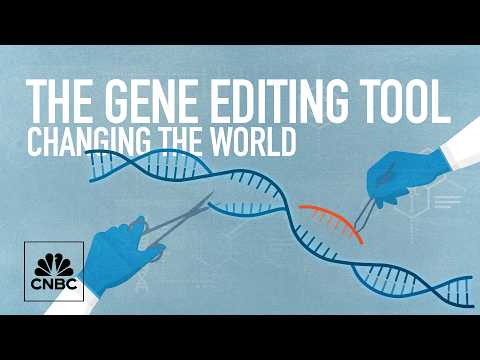
You’ve probably heard of CRISPR by now—it’s one of the coolest tools out there! Basically, it allows scientists to edit DNA with pinpoint precision, almost like a word processor editing text. Say you’ve got a gene that’s causing cancer; CRISPR can target it and knock it out or replace it with a healthy version. It’s not just for fixing mistakes either—it could help us make better vaccines or fight off viruses too.
3. Personalized Medicine
This is all about tailoring treatments to individual patients based on their genetic makeup. Instead of a one-size-fits-all approach, doctors can analyze someone’s genes to figure out what medication might work best for them. For example, people respond differently to cancer drugs—understanding the genetic differences can mean more effective treatments with fewer side effects.
4. Regenerative Medicine
So here’s where things get really exciting: regenerative medicine aims to repair or replace damaged tissues and organs using stem cells and engineered tissues. Think about someone who has had a heart attack—researchers are exploring ways to use genetically modified stem cells to regenerate heart muscle tissue! It could be revolutionary for transplant patients too.
5. Vaccines Development
The pandemic showed us just how crucial vaccines are in protecting public health—and genetic engineering has an important role here as well! Newer vaccines use mRNA technology (thanks again, CRISPR!) which allows our bodies to produce proteins that trigger an immune response without using live virus particles themselves. It speeds up vaccine development significantly and could potentially help us tackle diseases that were hard to control before.
Well, there you have it! These five areas are just the tip of the iceberg when it comes to the potential of genetic engineering in health and medicine. You can totally see how these innovations are changing lives today and will continue shaping our future health strategies!
Exploring the Major Achievements of Genetic Engineering in Modern Science
Genetic engineering is like playing with the building blocks of life. Imagine being able to change the instructions that make up living organisms. That’s basically what scientists are doing in labs all around the world. They’re working on some pretty cool stuff that could seriously change medicine and how we treat diseases.
One major achievement is the development of CRISPR technology. This tool allows scientists to edit genes with incredible precision. It’s like having a word processor for DNA—you can cut out mistakes and paste in new sequences! So, say you’ve got a genetic mutation causing a disease; CRISPR can potentially fix it at its source. Just think about how amazing that is!
Then, there’s gene therapy. This technique has been around for a bit but has really taken off recently. Doctors can now insert healthy genes into a patient’s cells to replace faulty ones. It’s not just theory anymore; people with certain genetic disorders have seen real improvements in their conditions thanks to gene therapy trials. Crazy, huh?
Another cool thing happening is genetically modified organisms (GMOs). We often think of crops when we hear this term, but it goes beyond that. In medicine, genetically modified bacteria can be used to produce insulin for people with diabetes or even create vaccines! These little critters are bio-factories, churning out life-saving products that improve health worldwide.
Speaking of vaccines, have you heard about the new mRNA vaccines? Yeah, those ones for COVID-19 came from genetic engineering advances too! Scientists figured out how to teach our bodies to recognize and fight off viruses by using snippets of genetic material from them. It’s like giving our immune system a cheat sheet!
One time, I remember reading about a girl named Hannah who suffered from severe Combined Immunodeficiency (SCID), also known as “bubble boy” disease because kids have to live isolated from germs. Thanks to advances in genetic engineering and treatments emerging from it, she underwent gene therapy and started living a normal life! It’s heartwarming stuff.
Now let’s not forget about the ethical side of things—it’s huge! As much as these advancements are exciting, there’s always the question of “should we?” Should we edit embryos or tinker too much? Scientists are debating this hot topic while trying to ensure they tread carefully.
So yeah, the achievements in genetic engineering are remarkable and keep growing exponentially. From CRISPR’s editing prowess to gene therapies altering lives and even mRNA vaccine breakthroughs—this field is transforming medicine as we know it today! The more we explore this area responsibly, the closer we get to solving medical mysteries that have plagued humanity for ages!
- CRISPR technology: Precision editing of genes.
- Gene therapy: Replacing faulty genes with healthy ones.
- Genetically modified organisms (GMOs): Creating insulin or vaccines via modified bacteria.
- mRNA vaccines: Teaching our immune system about viruses.
Pretty inspiring stuff if you ask me!
Cutting-Edge Genetic Engineering: Pioneering Medical Breakthroughs and Innovations
Genetic engineering is like the ultimate toolkit for scientists. They’re using it to push the boundaries of medicine in ways that feel almost like science fiction. With techniques that allow us to modify DNA, the possibilities are becoming pretty exciting. You know what I mean?
CRISPR is one of the hottest topics right now. It’s a method researchers use to edit genes—like cutting and pasting text on your computer but with DNA. Imagine being able to correct genetic mutations that cause diseases! That’s what CRISPR does. Just a small tweak can potentially turn off a faulty gene or activate a good one. It’s not perfect yet, and there are ethical considerations, but it’s making waves in treating conditions like sickle cell disease.
Another incredible innovation comes from gene therapy. This involves inserting, altering, or removing genes within an individual’s cells to treat disease. So, think about someone with a genetic disorder—a rare one called spinal muscular atrophy (SMA). With gene therapy, doctors can deliver a copy of the missing or non-working gene using a harmless virus as a delivery vehicle. Patients have seen improvements in muscle strength and mobility!
And let’s not forget about personalized medicine. This approach tailors treatment based on your unique genetic makeup instead of treating everyone the same way. Some cancer patients receive targeted therapies designed just for them because their tumors have specific mutations. It’s as if your doctor has been given a cheat sheet that tells them exactly how to treat you based on your DNA.
Here are some key advancements in genetic engineering for medical breakthroughs:
It’s hard not to feel excited when thinking about these possibilities! Just last year, I read about this little girl named Ella who had been living with severe combined immunodeficiency (Bubble Boy disease). Thanks to innovative genetic engineering techniques, doctors were able to modify her blood cells and basically give her a new lease on life! Moments like these remind us why we’re pushing so hard in genetics—it’s all about hope and healing.
Of course, we’ve got challenges ahead too—like safety concerns and figuring out ethical guidelines for editing human genes. There’s lots of debate among scientists and ethicists alike about where we should draw the line.
But overall, it seems clear that cutting-edge genetic engineering is not just changing our understanding of biology; it might transform our approach to medicine itself! The journey has its ups and downs but also plenty of potential for amazing breakthroughs that could change lives forever. And that’s something worth cheering for!
You know, it’s pretty mind-blowing when you think about how far we’ve come with genetic engineering. Just a few decades ago, the idea of playing around with DNA was something that felt more like science fiction than reality. I mean, can you imagine a time when we couldn’t even dream of editing genes to cure diseases?
I remember this one time, my friend’s little brother was diagnosed with a rare genetic disorder. The family was devastated. They would spend countless nights researching treatment options and trying to find doctors who specialized in conditions like his. It really hit home how crucial advancements in genetic research are for families like theirs. And now? Well, things have changed dramatically!
Take CRISPR for instance—this nifty tool allows scientists to edit genes much more precisely than before. It’s like having digital scissors for DNA! You can remove or modify specific segments of genetic material, which opens up doors for treating various conditions that were once thought incurable. Imagine being able to potentially eliminate hereditary diseases or even tailor treatments to individuals’ genetic makeups!
And honestly, there are so many examples that show just how transformative this technology is becoming. For instance, researchers are exploring gene therapies for conditions like cystic fibrosis and muscular dystrophy, which could drastically improve quality of life or even lead to cures.
But then again, while all this sounds amazing—and it totally is—there’s a lot we need to consider moving forward too. Ethical questions arise all the time; like what happens if we start altering humans in ways that might impact future generations? It’s a slippery slope.
So anyway, as we push the boundaries of what’s possible with genetic engineering, let’s stay curious but cautious too. The future looks bright in many ways! It just amazes me how something that once seemed so outlandish is becoming part of our reality now. And yeah, it’s these breakthroughs that give hope to so many families dealing with health struggles every day!