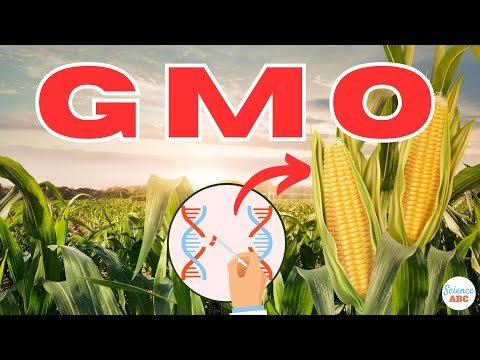
So, picture this: you’re at a barbecue, and someone proudly declares they’ve got the juiciest tomatoes around. But here’s the kicker—those tomatoes are genetically modified. You can almost hear the gasps!
Seriously though, genetically modified organisms, or GMOs for short, have become a major part of our food landscape. It’s like a sci-fi movie come to life—plants designed to be bigger, badder, and more resilient. Sounds cool, right?
Now, whether you’re a GMO enthusiast or a bit skeptical about them, one thing’s for sure: they’re changing agriculture in ways we never thought possible. Just think about it—imagine crops that can withstand harsh weather or pests without heavy pesticides. That’s what we’re talking about here!
So grab your plate and let’s dig into how these advancements are reshaping farming and what it all means for our future bites!
Exploring the Role of Genetic Modification in Advancing Agricultural Science
Genetic modification in agriculture is like giving plants a little turbo boost. It involves changing the DNA of crops to help them grow better, resist pests, or even survive extreme weather. Imagine trying to grow tomatoes in a drought, and instead of wilting away, they thrive. That’s the power of genetic modification.
You see, traditional farming methods take ages to breed new plant varieties. It’s like waiting for your favorite series to bring out a new season. But with genetic engineering, scientists can speed things up way more efficiently, allowing for rapid advancements.
One major benefit is increased crop yield. This means producing more food on less land. With the global population constantly growing, this is super important. You wouldn’t want to be at a party with no snacks, right? The same goes for people needing food!
Another big win is pest resistance. Some genetically modified crops have been engineered to produce their own pest-repelling substances. For example, the Bt cotton has been modified to contain a gene from a bacterium that helps it fend off pests without the need for harmful pesticides. This way farmers can reduce chemical use and protect the environment at the same time.
Also worth mentioning is disease resistance. Think about how frustrating it is when plants get sick; it’s like catching a cold during vacation! Scientists have found ways to make certain crops resistant to viruses and bacteria that would normally wipe them out.
But it’s not all smooth sailing—there are some concerns too. People worry about how these modifications might affect biodiversity or lead to unintended consequences in ecosystems. It’s important to find a balance between innovation and nature’s delicate systems.
Plus, there’s food safety on people’s minds when we talk about genetically modified organisms (GMOs). Many studies suggest that GMOs are just as safe as non-GMOs for human consumption—like how you might prefer pizza over salad but both are fine choices if you’re hungry!
In summary, exploring genetic modification in agriculture offers exciting opportunities like higher yields and more resilient crops against pests and diseases. While challenges exist around safety and environmental impacts, ongoing research and public dialogue will help guide how we approach this powerful tool in feeding our world’s growing population.
So next time you bite into that delicious tomato or crunch on some cornflakes, just think: there might be some incredible science behind those tasty bites!
Exploring Genetically Modified Organisms in Agriculture: Key Examples and Their Impact on Modern Science
So, genetically modified organisms, or GMOs, are basically plants or animals that have had their DNA tweaked in a lab to get certain traits. You know, we’re talking about making crops that are more resistant to pests, diseases, or even bad weather. It’s like giving them a superhero cape!
The first big deal with GMOs in agriculture showed up way back in the 1990s. One of the earliest successes was Bt corn. This corn has a gene from a bacterium called Bacillus thuringiensis, which produces a protein that can help protect the plant from certain pests. Farmers saw huge benefits because it meant less need for chemical pesticides. Less spraying? Yes, please!
Another example is herbicide-resistant soybeans. These beans have been modified so they can survive being sprayed with specific herbicides. This lets farmers kill off pesky weeds without harming their crops. It’s been super effective and has allowed for more efficient farming practices. But you might be wondering if these changes affect the environment, right? Well, that’s a hot topic!
On one hand, GMOs can lead to higher yields and reduced pesticide use. That sounds awesome! But on the other hand, there are concerns about biodiversity and how some bugs are adapting to these changes. It’s kind of like when you get so good at video games that you need to level up your challenges—you don’t want things to get boring!
The potential impact of GMOs isn’t just about farmers’ wallets. There are food security issues too! With the world’s population rising like crazy, we need to figure out how to feed everyone. Some scientists argue that GMOs could be part of that solution by producing more food on less land.
You might hear folks talk about golden rice too—this is another fascinating case! Scientists engineered it to produce vitamin A because many people in developing countries lack this essential nutrient in their diet. The idea here is pretty cool: by eating this rice, people could potentially avoid serious health problems linked to vitamin A deficiency.
But it hasn’t all been smooth sailing with GMOs! There’s still a lot of debate out there regarding safety and labeling practices. Some people worry about long-term effects on human health and the environment. Like when you try a new dish at your favorite restaurant—you might love it or think twice before ordering it again!
The regulations around GMOs vary from country to country too! In some places, they’re embraced while others impose strict controls or even bans on their use altogether.
So what does all this mean? As science moves forward with genetic technologies—it has potential benefits but also risks we gotta keep an eye on! It’s all about balance.
The future of agriculture may well rely on innovations like these—using science responsibly might help us tackle food shortages while also considering our planet’s well-being.
Exploring the Key Benefits of GMOs in Agricultural Science: Advancements in Crop Yield, Sustainability, and Food Security
So, let’s talk about GMOs, or genetically modified organisms, in agriculture. These little guys are kind of a big deal. They’ve made waves in how we grow food and tackle some serious challenges like hunger and environmental issues. Sounds cool, right?
Enhanced Crop Yields
One of the main benefits of GMOs is that they can seriously boost crop yields. By modifying the DNA of plants, scientists can make them more resistant to pests and diseases. Imagine a corn plant that doesn’t get eaten by bugs! For instance, Bt corn has been engineered to produce a natural insecticide. It’s like having a built-in defense system! This means farmers can harvest more crops from the same amount of land, which is super important as our population keeps growing.
Sustainability in Farming
And then there’s sustainability. GMOs can help with this too. When crops are designed to resist drought or need fewer fertilizers, it cuts down on resource use. Less fertilizer means fewer chemicals running off into rivers and lakes—a win for water quality! Some crops, like herbicide-resistant soybeans, allow farmers to use less tillage since they can spray for weeds without harming the crop itself. This helps keep the soil healthy and reduces erosion.
Food Security
Now let’s chat about food security. With climate change messing with weather patterns—think droughts, floods—GMOs offer us a way to secure our food supply. Drought-tolerant varieties of crops help ensure that farmers can still grow something even when rain isn’t cooperating. And researchers are working on golden rice that’s fortified with vitamins to combat malnutrition in developing countries; that could save lives!
Environmental Impact
But it ain’t all sunshine and rainbows; there are concerns too. Some folks worry about biodiversity disappearing because monocultures (growing just one type of crop) become common with GMOs. But studies show that when used wisely, GMOs can actually enhance biodiversity by allowing for more efficient land use.
So there you have it—GMOs come packed with potential benefits when it comes to crop yield improvements, sustainable practices in farming, and bolstering food security across the globe. It’s an exciting field where science continues pushing boundaries to feed an ever-growing world while keeping our planet healthy!
You know, when I think about genetically modified organisms (GMOs) in agriculture, it kinda blows my mind how far we’ve come. Like, let’s rewind a bit. A few decades ago, the thought of tinkering with the genes of plants and animals seemed like something straight outta a sci-fi movie. But here we are now, with scientists actually doing it!
Take my grandma’s garden—she always had this fierce pride in growing her own tomatoes. Every summer, she’d fuss over them like they were her kids. Fast forward to today, and those heirloom varieties have some stiff competition! With GMOs, farmers can grow crops that resist pests or tolerate harsh weather. It’s like giving plants a superhero cape!
Imagine being able to produce more food with less land and reduced pesticides. That’s a game changer for feeding our growing population. I mean, every time you see an article about food shortages or climate change challenges facing agriculture, you can’t help but wonder if these advancements could help bridge that gap.
But then there’s the debate around GMOs—it’s real. Some folks are super skeptical about what modding genes means for our health and the environment over time. Questions swirl around potential long-term effects on ecosystems and human health that we just don’t fully understand yet.
So here’s the thing: victory gardens might still hold nostalgia for many people; however, embracing science could be part of solving some serious issues regarding food security and sustainability. You just feel torn sometimes! On one hand, you want to keep things natural and traditional; on the other hand, the benefits of genetic advancements are hard to ignore.
In this tug-of-war between what nature intended and what science can achieve lies a complexity that’s uniquely human—an urge to innovate while also cherishing our roots (pun intended!). It leaves me thinking about how we navigate this brave new world while holding onto values that matter most—like health and biodiversity.
As I sip my organic smoothie made from crops redesigned for better nutrition, I really can’t help but appreciate both worlds colliding—old-school gardening meets cutting-edge science—and wonder how it all plays out in years to come. What do you think?