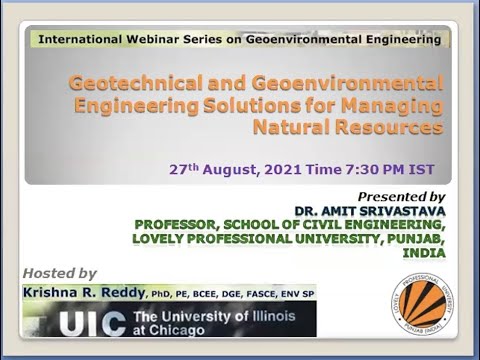
You know what’s crazy? Our planet is like an onion. Layers upon layers, and every layer has its own story to tell. Seriously, if you’ve ever dug a hole in your backyard (and who hasn’t?), you’ve probably seen all kinds of weird stuff hiding beneath the surface.
So, geotechnical and environmental services are kind of like detectives for the earth. They dig deep—literally—to figure out what’s going on down there. They check the soil, rocks, and even the water to make sure everything’s hunky-dory for construction or conservation.
It’s wild how much science goes into understanding our environment, right? And when it comes to sharing that knowledge with folks who aren’t scientists, that’s where outreach comes in. You’re not just talking about dirt; you’re discussing the very foundation of our lives! That’s pretty cool if you ask me.
Exploring the Four Types of Geotechnical Engineering: A Comprehensive Overview
So, let’s talk about geotechnical engineering. It’s a branch of civil engineering that focuses on the behavior of earth materials. Think about it: when you build something, like a bridge or a building, you gotta know how the ground will hold it up, right? Well, that’s where geotechnical engineering comes into play. There are four main types you should know about:
- Soil Mechanics: This is all about understanding the properties of soil. You’d be surprised how different soil types can act. For instance, clay can swell if it gets wet, while sandy soils drain really quickly. Engineers look at stuff like shear strength and consolidation to make sure the foundation is solid.
- Rock Mechanics: As the name suggests, this deals with rocks! It’s crucial in areas where construction happens on bedrock or in tunnels. Rock mechanics focuses on how rocks behave under stress and how they respond to changes in pressure. If you’ve ever seen a landslide or rockfall, that’s rock mechanics in action.
- Geotechnical Investigations: Before any construction begins, engineers conduct investigations to understand what’s beneath the surface. They’ll drill and sample soil and rock and analyze them to create a picture of what lies underground. This helps determine if it’s safe to build or if extra measures are needed.
- Environmental Geotechnics: This one’s gaining traction lately because people care more about protecting our planet! It looks at how soil interacts with various environmental issues—like contamination or waste management. For example, when constructing landfills, it’s crucial to understand how waste will affect soil and groundwater.
You know what’s wild? I once visited a construction site where they were drilling for samples before building a skyscraper. The engineer showed me core samples that looked totally different just inches apart! One part would be sandy while another was full of clay—crazy differences! That kind of info is essential; otherwise, you could end up with huge problems down the line.
The key takeaway here? All these types of geotechnical engineering work together to ensure that what we build is safe and sound. Without them digging into the details of earth materials, our structures could literally sink into oblivion—or worse!
Each type plays its role in making sure our buildings stand strong against natural forces like earthquakes or heavy rain too. Imagine living in a poorly constructed building during an earthquake—that’s no fun! So yeah, understanding geotechnical engineering isn’t just for engineers; it’s vital knowledge for all of us who want our world stable and safe.
Understanding the Role of a Geo-Environmental Consultant in Environmental Science
Sure! Let’s break down what a geo-environmental consultant is all about and what they do.
What is a Geo-Environmental Consultant?
Basically, a geo-environmental consultant is like an environmental detective. They investigate how land and soil interact with human activities, making sure that the environment stays healthy and safe. Imagine they walk through a construction site, checking if anything toxic or harmful is lurking under the surface—that’s their job!
Why Are They Important?
You see, with so many projects going on—like building homes, roads, or factories—the risk of damaging the environment increases. These consultants help minimize that risk. They gather data about soil quality, water sources, and contamination levels before any big work begins. Think of them like the safety net before an acrobat takes a leap!
Main Responsibilities
So, what exactly do these consultants do? Here are some key points:
- Site Assessments: They perform evaluations of sites to identify potential hazards.
- Contamination Studies: If there are spills or leaks, they assess how bad it is and suggest ways to clean it up.
- Sustainability Planning: They help businesses figure out how to operate in an eco-friendly way.
- Regulatory Compliance: These folks ensure that all projects follow local and national environmental laws.
A Little Emotional Connection
I remember visiting a community park once where kids played freely. A geo-environmental consultant had worked tirelessly to clean up toxic waste from an old factory nearby so that families could enjoy the space safely. It felt great knowing there were experts behind such crucial efforts to protect our playgrounds.
The Science Behind the Role
They often work with tools like soil samplers and water testing kits—kind of like science fair experiments but way more critical! Data analysis plays a big part too; they interpret lab results to determine if the site is safe for development.
Career Pathways
If you’re curious about becoming one yourself, most start with degrees in geology or environmental science. Often practical experiences through internships are vital too!
In short, a geo-environmental consultant plays a crucial role in ensuring that our interactions with nature do not jeopardize future generations’ well-being. Their work of blending science with responsibility keeps our planet healthier for years to come!
Understanding Geotechnical Services: Key Insights into Soil and Foundation Engineering
So, let’s talk a bit about **geotechnical services**. You might be thinking, what even is that, right? Well, it’s all about understanding the soil and how it interacts with structures.
Think of it this way: when you build a house or any big thing, you need to know if the ground underneath can support it. Imagine trying to stack heavy boxes on top of a flimsy table. It’s likely to collapse! This is why soil and foundation engineering is crucial.
Now, here are some key insights into this topic:
- Soil Composition: Soils are made of different materials—sand, silt, clay—and each type has its own properties. Clay, for example, can expand when wet and shrink when dry. That can cause some serious issues!
- Site Investigation: Before building anything, engineers need to investigate the site. This usually involves drilling into the ground to collect soil samples and testing them in labs for things like strength and water content.
- Load-Bearing Capacity: This term refers to how much weight the soil can handle without collapsing or moving too much. Engineers calculate this to ensure buildings don’t sink or shift.
- Foundation Design: Based on soil findings, they design foundations that match those characteristics. For example, in areas with loose sandy soils, deeper foundations might be necessary.
- Stability Analysis: Areas prone to landslides or seismic activity require special studies to ensure structures will remain stable during such events.
Here’s a relatable story: A friend of mine once bought a lovely little cottage on a hill without doing any geotechnical checks first. Turns out, it was built on clay that expanded with rain. One winter storm later and bam! The front porch was tilted like it belonged in a funhouse! They had no idea until it was too late.
Geotechnical services don’t just save money; they also keep people safe. By understanding soil behavior, engineers help prevent disasters before they happen.
And here’s another thing—environmental factors play a role too! Groundwater levels can influence how stable your project is going to be as well. If there’s rising water around your site from rain or snowmelt? That could lead to all sorts of trouble!
In summary, geotechnical services are essential for any construction project because they deal with the very foundation—literally—of our buildings and infrastructures. So yeah, whether it’s ensuring your dream home stands tall or keeping roads safe from landslides, these experts have got it covered!
You know, when we think about geotechnical and environmental services, it’s easy to just zone out a bit. I mean, it sounds technical and a little dry, doesn’t it? But give it a second thought! These fields actually play such a crucial role in how we interact with our planet.
I remember this time I went hiking with friends in this beautiful national park. We were surrounded by towering trees, babbling brooks, and these stunning rock formations. It was all so picturesque! But then someone mentioned that the entire trail we were on had been analyzed by geotechnical engineers to make sure it was safe. That really hit me—those professionals were basically the unsung heroes ensuring our fun didn’t turn into a disaster.
So, geotechnical services deal with understanding soil and rock where we build stuff—like roads or houses or even parks! They help us figure out how to avoid landslides or, you know, buildings toppling over like Jenga towers gone wrong.
Now, on the environmental side of things, think about how much we take our ecosystems for granted. The air we breathe? The water we drink? Yep, all tied into environmental studies! People working in this field are all about making sure our interactions with nature are sustainable. That means they look after everything from protecting endangered species to evaluating pollution levels in rivers.
The cool part is that these two areas often overlap. For instance, when companies want to build something new—like those fancy shopping centers—they need both geotechnical assessments and environmental impact studies. It’s kind of like having your cake and eating it too; they get to develop while still keeping an eye on Mother Nature’s well-being.
So when you think about scientific outreach in these fields, picture scientists not just pushing data around but also becoming storytellers! They share their findings with us regular folks in ways that actually resonate. Like when they explain why certain construction sites can mess up a nearby wetland or how supporting local flora can prevent erosion—all important knowledge for creating a better future.
You might even catch them at community events or on social media breaking down complex topics into bite-size information that everyone can understand. And honestly? That’s super important because if more people engaged with what’s happening beneath our feet—or around us—we’d probably be making way smarter choices collectively!
You see what I mean? Geotechnical and environmental services aren’t just some boring technical jargon; they’re vital parts of keeping our world balanced while letting us enjoy nature’s beauty—just like my hike reminded me! So next time you hear about these topics, maybe take a moment to appreciate the hard work behind the scenes—it makes the beauty all around us even more meaningful.