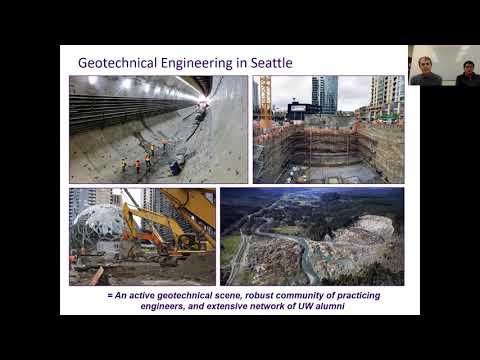
You know what’s wild? The earth under our feet is like a giant puzzle just waiting to be figured out. Seriously! Imagine driving on a smooth road, and beneath it, there are layers of rock, soil, and who knows what else. Ever thought about those folks who make sure we’re not driving over a sinkhole?
That’s where geological and geotechnical engineers come in. They’re like the superheroes of the underground world. And get this: their innovations are changing how we build stuff, from buildings that can withstand earthquakes to tunnels that don’t collapse.
So, if you’ve ever been curious about what keeps our cities standing strong or why some places sink while others stay put, stick around! We’re about to dig into the cool stuff happening in this field. You’ll see that geology isn’t just about rocks—it’s about shaping our future!
Exploring Innovative Technologies in Geotechnical Engineering: Advancements and Impact on Civil Science
Geotechnical engineering is like the unsung hero of civil engineering. While skyscrapers and bridges grab the spotlight, it’s all about the ground beneath them. Seriously, without a solid understanding of soils and rocks, those impressive structures wouldn’t stand a chance. Nowadays, there are some really cool **innovative technologies** that are shaking things up in this field.
First off, let’s talk about **geosynthetics**. These are materials made from polymers that help improve soil stability and drainage. Think of it like giving the soil a little superhero cape to make it stronger! Engineers use geotextiles and geomembranes to create barriers that protect against erosion or keep water where it needs to be. It’s a game-changer in managing slopes or building foundations.
Then there’s **3D printing**. Can you imagine printing whole buildings? Well, in geotechnical engineering, this technology is being used in creating unique designs for soil stabilization structures or even temporary supports during construction. The ability to customize material properties at a fraction of the time saves both money and resources, which is totally awesome!
Now let’s not forget about **smart sensors**—like little spies for the earth! These devices monitor conditions like moisture levels, temperature changes, or soil movement in real-time. They’re embedded into construction sites so engineers can keep tabs on how things are going underground without having to dig everything up all the time. It’s proactive rather than reactive planning!
And you’ve probably heard about **robotics** making their way into various fields, right? In geotech, drones can survey land much faster than traditional methods, giving engineers accurate data without getting bogged down by tough terrain. Imagine flying over a site with a drone instead of trudging through mud—sounds much better!
On another note, there’s also **machine learning** entering this realm too. By analyzing vast amounts of data from past projects, algorithms can predict potential problems during construction phases or help design safer foundations based on historical soil behavior patterns. It makes decision-making quicker and more reliable.
In terms of impact on civil science overall: these advancements not only save time and money but also enhance safety during construction processes—an absolute must when you’re dealing with structures meant to last decades! Moreover, using innovative technologies like these fosters sustainability by optimizing resource use; hence mitigating environmental impacts.
So here we have it—geotechnical engineering might not always steal the limelight but with all these nifty technologies at play, it’s proving just how vital it is for safe and sturdy civil infrastructure! Isn’t that something worth appreciating?
Innovative Solutions in Geotechnical Engineering: Inventions Shaping the Future of Civil Engineering Science
Okay, let’s chat about geotechnical engineering and some of the cool stuff happening in that world. You might not think of dirt and rocks as exciting, but seriously, they play a huge role in how we build everything from skyscrapers to bridges.
Geotechnical engineering is all about understanding the behavior of soil and rocks when they’re loaded up with heavy structures. Think about it: every time you walk into a building, there are layers of ground beneath you that are silently holding that place up! It’s kinda wild to consider.
Innovative Solutions in this field can be game-changers. One area that’s getting a lot of buzz is ground improvement techniques. This means strengthening soil without having to dig it all up. For instance, there’s something called vibrocompaction. It uses vibrations to rearrange particles in the soil, making it denser and better at supporting weight. Imagine shaking a jar of marbles until they settle tightly together—same idea!
Then there’s geosynthetics. This involves using plastic materials within or on top of the soil to improve its properties. They can help with drainage or even prevent erosion. If you’ve seen those colorful fabrics used in construction sites, that’s them! They’re like superheroes for soils.
Another fascinating innovation is smart foundations. These are designed with sensors embedded in them to monitor load, moisture, and temperature changes over time. It’s like giving your building a nervous system! If something starts to go wrong, engineers can get alerts before it becomes a real issue.
Let’s talk about 3D printing, too! Believe it or not, we’re now 3D printing construction materials from earth itself—yes, dirt! This could drastically reduce waste and make construction cheaper and more sustainable. It’s like making bricks out of mud pies but with way more science behind it.
Also worth noting are advancements in deep excavations. With urban areas getting super crowded, engineers are finding ways to safely dig deep underground without collapsing structures nearby. Techniques like diaphragm walls, which create waterproof barriers down into the earth, are essential for big projects like underground parking lots or subway systems.
But here’s where it gets personal: I remember visiting a site once where they were testing soil stabilization methods for a bridge project. The excitement among the engineers was contagious—they were literally changing how this bridge would stand for decades! Seeing their passion made me realize just how much innovation ties into our everyday lives.
So yeah, geotechnical engineering may seem niche sometimes but it’s at the core of building safe and long-lasting structures. And with these innovative solutions coming out left and right, it’s clear that we’re just scratching the surface—pun intended! Keep an eye on this field; it’s bound to keep rocking our world!
- Ground Improvement Techniques: such as vibrocompaction.
- Geosynthetics: plastic materials enhancing soil performance.
- Smart Foundations: embedded sensors monitoring structure health.
- 3D Printing: creating construction materials from earth.
- Deep Excavations: techniques ensuring safety for urban projects.
You see? There’s so much going on beneath our feet that shapes everything above us!
Top AI Tools Revolutionizing Geotechnical Engineering: A Comprehensive Guide
Geotechnical engineering might sound super technical, but it’s really about understanding the ground beneath our feet. You know, foundation stability, earth materials, and all that good stuff? Today, AI is shaking things up in this field big time. Let’s explore how some cool AI tools are changing the game.
Data Analysis Tools
AI can sift through mountains of data faster than you can say “geotechnical stability.” With machine learning algorithms, engineers can analyze soil samples and geological conditions without losing their minds over spreadsheets. This means better predictions for things like earthquakes or landslides. Some tools even help in assessing risks by finding patterns in historical data.
Predictive Modeling
Ever heard of predictive modeling? It basically uses past data to guess what might happen next. In geotechnical engineering, this means predicting ground behavior under different conditions. For instance, if you want to know how a new highway will affect soil erosion, AI models can simulate various scenarios based on existing data. It’s like having a crystal ball but with way more math.
Site Characterization
You got heavy machinery digging up dirt and analyzing rock layers at construction sites. But Ai tools can speed up site characterization significantly! By using drones equipped with sensors and AI algorithms that map out topography or assess slopes, engineers get quick and accurate information—like seriously fast! This helps them decide the best way to build on that land.
Anomaly Detection
Another nifty use of AI is in spotting anomalies in geotechnical data. Let’s say you’re monitoring a dam’s integrity; any strange readings could signal potential failure. AI tools can flag these oddities automatically—way better than waiting for a human eye to catch it two weeks later! Time is of the essence here; catching issues early can save lives and money.
Optimization of Designs
AI isn’t just useful for analysis; it also helps optimize designs! For example, if you’re designing a retaining wall or foundation, modern software can run countless simulations to find the most efficient design based on soil types, loads, and environmental factors—like some kind of geeky architectural wizardry.
Total Quality Management
Even project management benefits from AI! Using AI-driven project management tools allows engineers to streamline workflows during construction projects by forecasting delays or budgeting overruns based on real-time data analysis and progress tracking.
When I was working on small projects back in college, we had such basic software tools compared to today’s standards. I remember poring over paper maps trying to estimate soil strength—it felt like painting with broad strokes! Now imagine students taking advantage of these cutting-edge technologies—they’ll come out better prepared than we ever were!
In summary: modern AI tools are revolutionizing geotechnical engineering by providing outstanding analytical capabilities, predictive insights into ground behavior changes from different external forces while improving safety measures overall—even optimizing designs for construction projects!
So yeah, the future looks bright for both engineers working underground (literally!) as well as those who live above it too! What an exciting time to be involved in this field!
You know, it’s wild when you think about how geology and geotechnical engineering have evolved over the years. I mean, these fields have been around forever, right? People have been digging into the earth since the dawn of time, literally! But what’s really cool is how, even today, new innovations keep popping up that change the way we look at and interact with our planet.
One time I was on a road trip with friends through some mountainous areas. We were cruising along when we spotted this massive landslide that had closed down a section of the road. It made me realize just how much we depend on understanding geology to maintain safe travel routes. The folks behind the scenes—geologists and engineers—are constantly coming up with new methods to predict such events. For instance, they use advanced modeling techniques and sensors to monitor ground stability in real-time. It’s like having an earth-sensing superpower!
Then there’s the whole world of materials science advance; scientists are creating super-strong materials that can withstand more stress than traditional ones could ever dream of! They often blend natural materials with new composites that resist cracking and other failures. Seriously, it’s mind-blowing how they take inspiration from nature itself to build better foundations for our cities.
And don’t even get me started on sustainable practices! More engineers are exploring eco-friendly ways to manage construction waste or stabilize soil without using heavy chemicals. It feels good knowing that innovation isn’t just about efficiency anymore but also about taking care of our environment.
But here’s something else: the integration of AI into geological surveys is changing everything too. You’ve got algorithms analyzing data faster than any human could sift through it! Those digital helpers provide insights that lead to safer designs and more efficient excavation processes. Sure, there are still challenges—like data privacy or predicting behavior in complex systems—but this tech is making things a lot smarter.
So yeah, as much as we like to think we’ve figured everything out about our planet, there’s always room for improvement. Innovations in geological and geotechnical engineering show us just how dynamic these fields can be while pushing us toward safer and more sustainable practices for future generations. Honestly? That makes me feel hopeful about what else is waiting around the corner!