You know what’s wild? Rocks can actually change! Seriously. I mean, not like the kind of change you see in a superhero movie, but in a geological sense. And it’s all thanks to something called metamorphism.
Imagine a rock sitting there for millions of years, chillin’ with its buddies, when—bam!—it gets hit with high heat and pressure. Just like how we get wrinkles when we age (ugh). The minerals inside those rocks start to rearrange themselves, kind of like shifting pieces in a puzzle until they find their new spot.
So, why does this matter? Well, these metamorphic rocks tell us stories about Earth’s history and how it works beneath our feet. It’s like nature’s own diary! Want to dive deeper into this rock transformation tale? Let’s dig into the cool minerals that make it all happen!
Discover the 7 Essential Rock-Forming Minerals in Geology
So, let’s chat about rock-forming minerals. You might not realize it, but these little guys are super important in understanding the Earth. They’re like the building blocks of rocks, and in the world of geology, you’ve got a few stars that really stand out.
First off, what’s a rock-forming mineral? Well, it’s basically any mineral that makes up a significant part of a rock. When we talk about metamorphic rocks specifically, these minerals change under pressure and heat from their original form. Pretty cool, right?
Now, let’s get to the juicy stuff—the seven essential rock-forming minerals that you should know about.
- Quartz: This gemstone is super common in many types of rocks. It doesn’t really change much in metamorphism, which is why it’s often found in both igneous and sedimentary rocks too.
- Feldspar: Found in two flavors—potassium feldspar and plagioclase—this mineral is key for making granite and many other rocks.
- Mica: Ever heard of biotite or muscovite? These sheet-like minerals are super important for giving rocks a shiny look and are really good at breaking apart along flat surfaces.
- Ampibole: This group includes minerals like hornblende. They’re typically dark-colored and give some metamorphic rocks their unique textures.
- Pyroxene: Minerals in this family are usually dark green to black and are found often in igneous rocks but show up in some metamorphic ones too.
- Garnet: This one’s a bit special! Garnets often form during metamorphism under high pressure and temperature. They can tell us about the conditions deep within the Earth.
- Calcite: Found mainly in limestone (which transforms to marble), calcite can show changes during metamorphism quite distinctly due to its reaction with acid.
These minerals not only help define what kind of rock you’re looking at but also tell us a lot about how those rocks formed. The conditions under which they formed can reveal everything from previous volcanic activity to tectonic movements.
Here’s where it gets personal for me: I remember hiking through some mountains once and stumbling across some gorgeous marbled stone that sparkled under sunlight. It had this rich history hidden within it—formed by intense heat and pressure over time. Just thinking about all those transformations gives me chills!
To wrap it up, understanding these essential minerals opens up a whole world of insights into geological processes we see on earth today. And every time you see a rock or even just step outside? You’re standing on history carved by forces way beyond our everyday comprehension! So next time you’re out exploring nature or just hanging out with friends talking geology… drop some knowledge on them about these rock stars!
The Significance of Metamorphic Rocks in Geological Research and Earth Science
Metamorphic rocks are like the chameleons of the geological world. They start as one thing, usually sedimentary or igneous, and then undergo a transformation under heat and pressure. If you’re thinking about how shapes change when you squish Play-Doh, you’re on the right track!
These rocks are super important in geological research and Earth science for a bunch of reasons. To dive into it a bit, here’s what makes them tick:
- Mineral Composition: Metamorphic rocks are mainly made up of minerals that tell us a lot about their history. For instance, minerals like garnet, biotite, and quartz not only change their form during metamorphism but also provide clues about the temperature and pressure at which they formed.
- Tectonic Activity: These rocks often form in areas with active tectonic processes, like mountain ranges created by continental collisions. For example, when India crashed into Asia millions of years ago, it formed the Himalayas—and lots of metamorphic rock! We can study these to understand what was happening deep underground.
- Earth’s History: The layers of metamorphic rocks help geologists piece together the planet’s past. Analyzing them can reveal how continents have shifted over time or how ancient environments looked. Picture a giant historical puzzle; each metamorphic rock is like a piece that helps complete the picture.
- Resource Exploration: Some metamorphic rocks host valuable resources, including minerals used in construction and technology. For example, slate—a type of metamorphic rock—is used for roofing and flooring materials because it’s durable after metamorphosis. So yeah, they’re not just fun to look at; they have real-world applications!
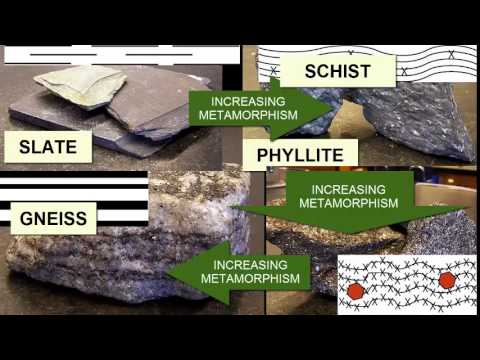
- Chemical Processes: The changes that occur during metamorphism often lead to new minerals forming due to chemical reactions involving heat and pressure. This process can create some stunning beauties like schist or gneiss—rocks that are not only fascinating but also reveal conditions deep within Earth’s crust.
I remember hiking through some mountains once and coming across these huge slabs of schist glittering in the sun. It struck me then how many stories those rocks could tell! They’d been transformed over billions of years while I just stood there admiring their beauty.
So basically, studying metamorphic rocks isn’t just an academic exercise—they’re key players in understanding Earth’s dynamic processes. They help us unravel mysteries from Earth’s past while providing insights into its present state too!
Exploring the Role of Slate in Scientific Research and Technological Advancements
Sure! Let’s chat about slate and its role in science and technology. Sounds pretty cool, right?
Slate is this beautiful metamorphic rock that forms when shale undergoes high pressure and temperature changes. It’s not just a pretty face—it’s actually full of secrets that scientists love to uncover.
Geological Significance
When we talk about the geological significance of slate, you’ve gotta think of it as a time capsule. It holds clues about the conditions deep within the Earth during its formation. Those layers in slate can tell us about past environments, like whether there were oceans or landmasses there ages ago.
Now, to get a bit technical for a moment, the minerals in slate mainly include quartz, muscovite, and chlorite. These minerals aren’t just sitting around looking pretty; they play important roles in physical properties like color and hardness. Depending on how much pressure was involved when slate formed, you can get different textures which might influence where it can be found or used.
Scientific Research
Researchers have been using slate to understand more than just rocks—they also look at how tectonic plates move and interact over time. For example, studying different types of slates found across various regions can give insights on ancient subduction zones—areas where one tectonic plate moves under another.
You know what’s interesting? There’s this concept called “metamorphic grade,” which refers to how much heat and pressure the rock’s gone through. By analyzing this aspect in slates from different locations, scientists can paint a clearer picture of geological events from millions of years ago.
Technological Advancements
Alright, let’s switch gears to technology! Slate isn’t just useful for geology; it has several modern applications too. Its durability means it has been used as roofing material for buildings—it looks good while also standing up against harsh weather conditions.
Plus, its ability to split into thin sheets makes it an excellent choice for making flooring tiles or even chalkboards back in the day! But even cooler is how researchers are now looking into slate for use in energy storage systems—like batteries! The components within the slate might help improve efficiency due to their layered structure.
Also, there are ongoing studies on how we might be able to use certain minerals from slates as catalysts in chemical reactions or even explore them for environmental clean-up technologies. That could change a lot when it comes to tackling pollution!
So basically, whether you’re looking at ancient geological processes or modern tech advances like battery design or construction materials, slate has proven itself time and again as an incredible asset. It’s kind of like that quiet person at a party who surprises everyone with their knowledge—just sitting there with layers of wisdom waiting to be uncovered!
You know, when I think about metamorphic rocks, I can’t help but picture those dramatic formations, like the ones you see in the mountains or those breathtaking cliffs. It’s kinda wild to realize that these rocks tell a story of transformation. Basically, they start as something else—maybe a sedimentary or igneous rock—and then they undergo some serious changes due to heat and pressure deep within the Earth.
So, let’s talk minerals! In metamorphic rocks, you’ve got your typical players like garnet, mica, and quartz hanging out. These minerals form under specific conditions and give clues about the rock’s history. Like garnet? It forms under high pressure and temperature—seeing a piece of it in a rock can tell geologists what kind of environment it came from.
I remember hiking with my friends once, and we stumbled upon this huge granite outcrop that had been transformed into gneiss—a type of metamorphic rock. I was amazed at how the layers were all wavy and gorgeous. Each banding pattern was telling us about its past experiences, like an old soul revealing its adventures!
Metamorphic rocks play a pretty crucial role in understanding Earth’s processes. They connect us to tectonic activity; when plates push against each other, those mountains we admire form because of all that heat and pressure pushing down on them. Isn’t that cool? It’s like nature’s own version of crafting something beautiful out of chaos!
Plus, these rocks are valuable beyond just their beauty; they can even hint at where natural resources might be hiding. You find certain minerals here that could lead to mining opportunities or even help in determining how earthquakes might happen down the line.
Anyway, next time you’re out there enjoying nature or just admiring a rocky cliffside view, remember there’s more than meets the eye! Those layers are full of stories waiting to be uncovered—stories about our planet’s history written in stone! What do you think? Pretty neat right?