So, picture this: you’re on a hike, right? You stumble upon this massive granite boulder just sitting there like it owns the place. It’s huge and kind of majestic. Ever wondered what’s inside that rock? Like, what makes it tick?
Well, here’s the scoop: igneous rocks are like nature’s own little mystery boxes. They’ve got all these minerals blending together to create something totally unique. Seriously, it’s like a party in there, and each mineral has its own vibe.
Understanding what’s inside these rocks isn’t just rock nerd stuff; it actually tells us a lot about our planet. So let’s dig into the mineral composition of igneous rocks and see why it matters more than you might think!
Exploring the Mineral Composition of Igneous Rocks: Insights from Geology
So, let’s chat about igneous rocks and their mineral composition. Seriously, these rocks are like the rock stars of geology! They form when molten rock cools and solidifies, either beneath the Earth’s surface or after a volcanic eruption. You might not think about it all the time, but understanding what they’re made of tells us a lot about Earth’s processes.
First off, you’ve got two main types of igneous rocks: intrusive and extrusive. Intrusive rocks cool slowly underground, which gives them that nice chunky texture. Think of granite; it’s mostly made of quartz, feldspar, and mica. On the other hand, extrusive rocks cool quickly on the surface after a volcanic eruption—like basalt. This rapid cooling leads to small crystals that you can’t always see without a microscope.
Now let’s break down some key minerals you’d find in these rocks:
- Quartz: This is like the celebrity mineral. It’s super common in many igneous rocks and gives them that shiny appearance.
- Feldspar: There are two types—plagioclase and orthoclase—and they make up a big chunk of the crust. Imagine them as essential ingredients in your rock recipe!
- Mica: This one adds sparkle to rocks like granite. Mica sheets can be peeled off easily – like layers of an onion!
- Pyrroxene: Found in basalt, this mineral helps give it a darker color. It’s got that tough vibe going on.
- Olivine: If you ever come across peridotite or basalt with olivine, you’ll notice its greenish hue—it almost looks like jewels mixed in there!
The mix of these minerals determines not just how a rock looks but also its behavior when we dig into geological activities. For example, more silica-rich rocks (think granite) tend to be less dense and are often found at higher elevations compared to denser ones like basalt.
A neat thing is how mineral composition influences volcanic activity too! Rocks with high silica content tend to be more explosive during eruptions since they trap gases better. That’s why some volcanoes erupt with such fury—like Mount St. Helens back in 1980.
You know what else is cool? The age of igneous rocks can be determined by studying their mineral composition! By examining radiometric dating on certain minerals that contain uranium or potassium—like zircon—you can figure out when these massive formations cooled down from molten magma. Just amazing how interconnected everything is!
In short, the study of igneous rock mineral composition is essential for understanding not just our planet’s history but also for predicting geological events today. Plus, every rock has its own story to tell if you just take the time to look closer! And who knows? You might find yourself bonding over some unique pieces next time you’re out hiking or visiting natural sites.
Understanding the Significance of Igneous Rock Composition in Geoscience
So, let’s chat about igneous rocks. You know, those rocks that form from molten material? They’re pretty essential in understanding our planet. But what’s more important is their mineral composition. It’s like the recipe for a rock, and it can tell us a lot about how and where it formed.
Igneous rocks are basically divided into two main types: intrusive and extrusive. Intrusive rocks cool slowly beneath the Earth’s surface, while extrusive ones chill rapidly on the surface. Each type has different mineral compositions, which really shapes their characteristics.
- Mineral Variety: The minerals in igneous rocks primarily include quartz, feldspar, mica, and olivine. Each mineral brings its unique properties to the table. Like quartz? Super hard and resistant to weathering!
- Color and Texture: The composition also affects the color and texture of the rock. For example, a rock high in feldspar looks light in color—think granite! On the other hand, if it’s rich in darker minerals like olivine or pyroxene, you’ll see more of a basalt vibe.
- Tectonic Settings: Where these rocks form is key too. Rocks from volcanic eruptions (extrusive) can show signs of rapid cooling with tiny crystals. Meanwhile, you’ll find larger crystals in granite because they had ages to grow deeper down.
- Magma Chemistry: Different magma compositions result in different types of igneous rocks. Basalt originates from mafic magma (rich in iron and magnesium) while rhyolite comes from felsic magma (rich in silica). This distinction helps scientists understand tectonic activity!
The significance? Well, just think back to that time when you were hiking and stumbled upon a rocky outcrop—or maybe you just kicked one aside without thinking much about it. But that rock is telling you a story! Its composition reveals past volcanic activity or even how ancient continents drifted apart.
You might be fascinated to know that these rocks can also tell us about resources we rely on today! For instance, some igneous rocks host valuable minerals like copper or gold. So not only do they provide insight into geological processes but they play a role in our economy too!
The bottom line is that understanding igneous rock composition isn’t just academic mumbo jumbo—it connects our past with our present. It helps geoscientists unlock secrets of Earth’s history while ensuring we have the materials needed for tomorrow’s innovations. Pretty cool stuff when you think about it!
Key Minerals Commonly Found in Igneous Rocks: Insights from Geology
So, igneous rocks, huh? Those are the kind of rocks that form when magma cools and solidifies, either beneath the Earth’s surface or after a volcanic eruption. The thing is, they’re packed with minerals that tell us a lot about how they formed. Let’s break down the key minerals you typically find in these rocks.
First up is Quartz. This mineral is super common in many igneous rocks, especially those that form slowly underground. It’s usually clear or white but can come in various colors depending on impurities. What makes quartz interesting is its durability; it doesn’t break down easily, so you’ll find it even in older rocks.
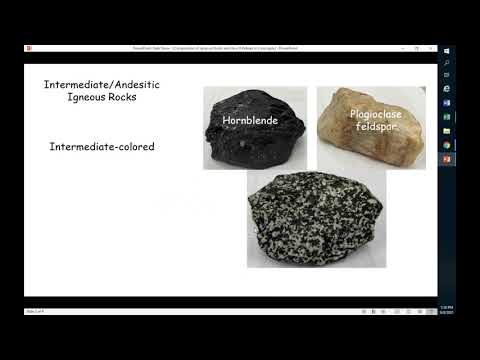
Then we have Feldspar. This one’s actually a group of minerals and makes up a huge portion of the Earth’s crust. You’ve got sodium-rich plagioclase and potassium feldspar as key players here. These minerals give igneous rocks their light color and add to their strength. Think of feldspar as the backbone of many granite formations—pretty strong stuff!
Nepheline is another mineral you might bump into, especially in some volcanic rocks. It’s not as common as quartz or feldspar but can show up in alkaline igneous rocks like syenites. Nepheline forms in environments where there’s lots of sodium and potassium present.
Now let’s talk about Biotite. This dark mineral isn’t just pretty; it’s a essential part of many igneous rock types too. Biotite gives rocks like granite their darker shades and contains iron and magnesium, which makes it heavier compared to other minerals.
And don’t forget Hornblende. It’s another key player among dark minerals found in igneous rocks, particularly those formed from volcanic activity. Hornblende contributes to the overall complexity of rock compositions and adds some sparkle—literally!
Next on our list is Olivine. When you think about ultra-hot lava flows, olivine usually comes to mind since it crystallizes at high temperatures. Its olive-green color really stands out! You might see olivine in basaltic lava rocks.
Last but not least are Pyrroxenes. These are also important components found mainly in mafic igneous rocks like basalt and gabbro. They contribute to those darker tones we often see with these types of rock formations.
So why does all this matter? Well, understanding the mineral composition helps geologists figure out how different types of igneous rocks formed over time—including past volcanic activity or tectonic movements! Plus, knowing what minerals are present can give insights into Earth’s history.
In summary:
- Quartz: Common and durable; shows up in many igneous formations.
- Feldspar: A major component; adds strength to granites.
- Nepheline: Found in certain volcanic contexts.
- Biotite: Dark hues; contains iron and magnesium.
- Cornblende: Adds complexity to various rock types.
- Pyrroxenes:> Important for mafic rock classification.
So there you have it! Next time you see a piece of granite or basalt, remember—you’re looking at a whole world of hidden stories locked away within those key minerals!
You know, rocks might seem like just boring old lumps of earth at first glance, but they’re actually pretty exciting when you start looking into them. Like, take igneous rocks, for example. They’re formed from molten magma or lava that cools down—there’s something pretty cool about that fiery origin, right?
Now, the mineral composition in these rocks is kind of like their unique fingerprint. It tells you a lot about where the rock came from and how it was formed. So when we talk about minerals like quartz, feldspar, or mica found in igneous rocks, we’re not just naming fancy stuff; each of these minerals has its own story. For instance, did you know quartz is super resistant to weathering? That means it can hang around for a long time even as other minerals break down. Isn’t that neat?
I remember hiking once in a volcanic area and stumbling upon some basalt rock—it’s this dark igneous rock that forms from rapid cooling of lava. I was amazed by how different it looked compared to granite, which is light and speckled with shiny bits of quartz and feldspar from slowly cooling magma beneath the surface. That day really made me appreciate the variety out there!
So why does all this mineral composition stuff matter? Well, beyond just being interesting facts for trivia night (which they totally could be!), understanding minerals helps geologists figure out Earth’s history and even predict volcanic eruptions! It’s kind of wild to think that by studying these little pieces of rock, we can learn so much about the planet and its processes.
Plus, exploring igneous rocks can lead to finding valuable resources too—like how certain minerals are used in everything from electronics to construction materials. All this just because a bunch of melted rock cooled down over time! So yeah, next time you see a rock beside the road or on your hike, take a moment to appreciate its mineral makeup—it’s more than meets the eye!