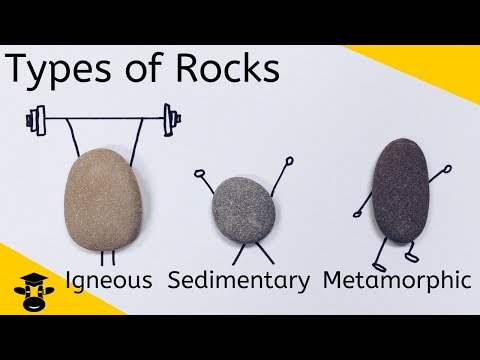
So, the other day I was at the beach, right? I picked up a rock, and it had all these cool layers in it. Like, I thought, “Whoa! This thing has a story!” That got me thinking about sedimentary rocks.
You know those rocks, the ones that seem more like history books than just boring ol’ stones? Seriously! They’re formed from bits of other stuff like sand and mud squished together over time.
It’s wild to think about how something so simple can hold clues to ancient oceans or even dinosaurs roaming around. There’s a whole world of types out there—each with its own quirks and personality.
So, let’s have some fun diving into these unique rocks and their cool characteristics. Trust me; you won’t look at a rock the same way again!
Exploring the Unique Characteristics of Sedimentary Rocks in Geology
So, sedimentary rocks! They’re like the storytellers of the geological world, holding clues about the Earth’s past. Seriously, these rocks can tell us so much about ancient environments, climates, and even life forms. Let’s take a chill look at their unique characteristics and types, yeah?
1. Formation process: Sedimentary rocks are formed through a process called **sedimentation**. This is when particles like sand, silt, or clay settle out of water or wind and pile up over time. It’s kind of like layering your favorite sandwich – you stack things until it becomes something new!
2. Types of sedimentary rocks: There are three main types:
- Clastic sedimentary rocks: Made from fragments of other rocks. Think of little pieces getting glued together over time. An example would be sandstone, which forms from compacted sand grains.
- Chemical sedimentary rocks: Formed from minerals that precipitate out of solution—like when saltwater evaporates and leaves salt behind! Limestone is a cool example here.
- Organic sedimentary rocks: These form from the remains of living organisms. Coal is a classic case; it comes from compressed plant material that didn’t quite make it into the fossil record.
3. Texture and composition: The texture can vary widely! Some are smooth; others might feel gritty or rough depending on their composition and how they formed. For instance, shale feels pretty soft because it’s made up mostly of clay.
4. Fossils galore!: A major perk? Sedimentary rocks often contain fossils—a neat little window into the past! If you find some old coral in limestone or fish remains in shale, you’re basically holding history in your hand.
Now imagine walking along a beach where the waves have eroded cliffs made entirely of sandstone. Those vibrant layers tell tales of different environmental conditions thousands or millions of years ago! Each layer represents a different chapter in Earth’s story.
5. Color variations: The colors can range wildly too! Reds come from iron oxide (rust), while greens usually indicate other minerals at play. It’s like nature’s way of painting with minerals!
And oh! One more thing—these rocks can be super important for things like **groundwater storage**, as they often allow water to flow through their porous structures.
Ultimately, exploring sedimentary rocks feels akin to piecing together a giant puzzle about Earth’s history—layer by layer, clue by clue! So next time you come across one during a hike or beach stroll, remember: it could hold secrets from ages long past just waiting to be unearthed!
Exploring the Rarest Sedimentary Rocks: A Scientific Overview
Sure! Let’s chat about some of the rarest sedimentary rocks out there. These beauties tell stories about our planet, and they’re way cooler than you might think.
Sedimentary rocks form from the accumulation and compaction of mineral and organic particles over time. You know, like when your beach trip leaves behind sandy footprints? Well, those layers build up into rocks. Now, while there are many common types like sandstone or limestone, some are super rare and have their own unique flair.
1. Arkose
Imagine a rock mostly made of sand grains but mixed with feldspar minerals. That’s arkose! It usually forms from the weathering of granite and can give you hints about how swiftly the area was eroded. Think about it: if you see arkose, you might just be on a fast-changing landscape!
2. Dolostone
This rock starts as limestone, but here’s where it gets spicy: it undergoes a transformation called dolomitization. During this process, calcium in limestone is swapped out for magnesium ions, changing its whole vibe. These rocks can be a bit hard to spot since they look similar to limestone at first glance.
3. Oil Shale
Now this is something! Oil shale is not just any rock; it contains kerogen—a precursor to oil that forms from organic material like ancient plankton or algae buried under layers of sediment for ages. When heated just right, we can extract oil from it! Just be cautious because it’s got that “tickle” of controversy around its extraction methods.
4. Coquina
Coquina is basically nature’s version of a seafood buffet! This rock is made up entirely of shell fragments and marine debris—like clamshells or coral pieces—cemented together over time by calcium carbonate. You’ll often find coquina in beach areas where wave action has tossed around shells.
5. Tufa
You wouldn’t guess that tufa could be thought of as the “fuzzy” version of limestone! It’s formed when calcium carbonate precipitates from freshwater springs or lakes in cool environments—think hot springs or riverbanks where minerals settle out to form those unique shapes.
Going beyond just these specific examples, many rare sedimentary rocks reveal significant geological history about Earth’s past environments—climates change over millions of years or shifts in sea levels can get written into their layers like pages in a book.
So next time you’re hiking or chilling on a beach—and stumble upon some funky-looking stones—take a moment to think about their journeys through time! Each layer tells tales we’d never imagine otherwise; it kinda makes you wanna explore more about our planet’s history, doesn’t it?
Understanding Clastic Rock: A Comprehensive Guide to Its Formation, Classification, and Significance in Geoscience
So, clastic rock, huh? It’s one of those things that might sound technical but is pretty cool once you dig into it. Basically, these rocks are formed from fragments of other rocks and minerals. Like, imagine taking tiny pieces of a big jigsaw puzzle and then sticking them together to make a new picture. You follow me?
Formation
Clastic rocks are formed through a process called lithification, which is just a fancy term for turning loose sediments into solid rock. This happens through layering and pressure over time. First, you have erosion—where wind or water breaks down larger rocks into smaller bits. These bits are then transported by rivers or wind until they settle somewhere like the bottom of a river or lake.
When enough of these tiny pieces (we call them grains) pile up, they get squished together under their own weight. Over millions of years, they turn into solid rock as minerals in the grains bond together. It’s kind of like creating a tight-knit community where everyone sticks together!
Classification
Now let’s get into how we classify these clastic rocks. They can be sorted based on their grain size:
- Siltstone: Made up mostly of silt-sized particles; it feels smooth to touch.
- Sandstone: A little coarser—mostly grains that are about the size of sand; think beaches!
- Conglomerate: This has larger pebbles mixed in, like a collection from nature’s snack jar.
- Brekcia: Similar to conglomerate but with angular chunks, which means it hasn’t traveled far from its source.
Each type tells a story about its environment! For example, sandstone often forms in areas where there was once water—like ancient ocean beds.
Significance in Geoscience
So why should you care about clastic rocks? Well, they’re pretty important for understanding our planet’s history. Think about how everything on Earth has been shaped by processes like erosion and sedimentation over millions of years—not just what’s happening now.
Clastic rocks can also contain fossils! Yep, these rocks may hold clues to past life forms preserved within them. When researchers study these fossils inside the clastic layers, they’re basically reading pages from Earth’s storybook—it helps us understand how life has evolved over time.
Additionally, these types of rocks can serve as reservoirs for resources like oil and gas or even groundwater! Understanding their properties gives scientists insights not only into Earth’s past but also helps us identify where to find valuable resources.
So yeah, clastic rocks may seem simple at first glance—just bits and pieces stuck together—but they carry fascinating stories about Earth’s history and processes that are essential for geoscience enthusiasts everywhere! Isn’t it amazing how something so seemingly ordinary can hold such importance?
Sedimentary rocks are like the storytellers of the Earth. They capture moments in time, telling us about past environments and the processes that shaped them. It’s kind of like flipping through an old photo album, one that reveals not just faces but ancient oceans, deserts, and animals.
You’ve got a few main types of sedimentary rocks: clastic, chemical, and organic. Clastic rocks are made from bits and pieces of other rocks—think broken glass in a mosaic. When rivers carry away sediments and deposit them elsewhere, they solidify over time into rocks such as sandstone or shale. It’s crazy to think that each grain could have traveled miles before it settled down!
On the other hand, chemical sedimentary rocks form when minerals precipitate out from water. You know those beautiful stalactites you see in caves? Yeah, those are part of this group! Limestone is a classic example here; it can form from the remains of tiny sea creatures that once floated around in ancient oceans. Imagine being there when all those little critters were swimming about!
Then there’s organic sedimentary rock—this is where things get a bit funky since they’re primarily composed of once-living things like plants or shells. Coal is probably the most famous one here. It starts with plant material accumulating in swampy areas over millions of years before transforming into something we now use to fuel our homes.
I remember going on a field trip to a nearby canyon as a kid; I was just blown away by how layered everything looked! Each layer told a different story: some sandy, some muddy, like Earth’s own version of cake tiers! Looking at those formations made me realize how patient our planet is—it takes ages for these layers to build up and become solid rock.
So while we stroll through our modern lives, these sedimentary rocks sit quietly beneath us, holding secrets from eons ago—reminding us that history is literally under our feet if we stop long enough to look around! Isn’t that just cool?