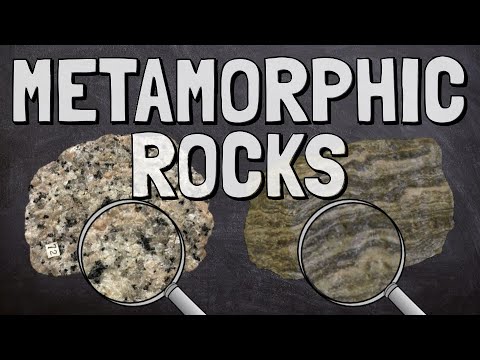
You know, the other day I was hiking, and I stumbled upon this incredible rock formation that looked like it had been through some serious drama. I mean, it had layers and swirls, like nature’s own abstract art!
So it got me thinking about metamorphic rocks. These bad boys are like the chameleons of the rock world. Born from their igneous or sedimentary parents, they change shape under heat and pressure—like a spa day but for rocks!
Every time I see one, I’m reminded of how much stories nature has to tell. Each rock’s got its own vibe based on what it’s been through. Seriously, it’s fascinating stuff! Want to know more about these unique characters? Stick around; you’re in for a treat.
Exploring the Science of Marble: Properties, Formation, and Applications in Geology
Marble might seem like just a fancy stone you see in buildings or sculptures, but it has a pretty cool backstory. Let’s take a closer look at the science behind it, from how it forms to its unique characteristics and uses in geology.
First off, marble is what we call a metamorphic rock. This means it’s formed from another type of rock through heat and pressure. Most commonly, marble starts out as limestone. When limestone gets buried deep within the Earth’s crust, things heat up and pressure builds, changing the limestone into marble. It’s like that moment when you press down too hard on a piece of clay; it transforms into something new!
Now, about its properties—marble is known for its beautiful patterns and colors. The swirls and veins you see come from impurities like clay, sand, or iron oxides that were mixed in during its formation. These impurities not only add to its beauty but also can tell geologists a lot about the conditions under which the marble formed.
Another interesting thing is that marble has a crystalline structure. This means it’s made up of tiny crystals that fit together tightly, giving it strength and durability. You might have noticed how some pieces feel smooth or shiny? That’s due to its fine-grained texture. Depending on where it comes from, marble can vary significantly in hardness or appearance.
When it comes to applications in geology—and this is pretty neat—marble plays several roles aside from just being eye candy for statues or countertops. Geologists often use marble as an indicator of historical geological processes. For instance, finding large deposits of marble can hint at ancient ocean environments because they originated from carbonate sediments laid down in those waters.
Plus, let’s not forget about how people have used this stone since ancient times! Think about iconic structures like the Parthenon or Michelangelo’s David; all those stunning works were crafted using marble because it’s relatively easy to carve while still being tough enough to last centuries.
So yeah, whether you’re admiring a sculpture in an art gallery or stepping on exquisite floors made of this stone, remember there’s way more going on than meets the eye—literally! Marble tells us stories about our Earth’s past while being enjoyed every day in various forms. The next time you come across some beautiful marble surface or statue, think about all those years of transformation beneath our feet!
Key Characteristics of Metamorphic Rocks: Insights into Geological Processes and Properties
Metamorphic rocks are like nature’s way of giving a big makeover to existing rocks. They start as either igneous or sedimentary rocks, but then something happens: intense heat and pressure come into play. It’s kind of like how you might change after a long, tough workout—some parts get a little tougher, right?
Let’s break it down. Here are some key characteristics that make metamorphic rocks unique:
- Texture: Often, these rocks show layers or bands. This layering happens because of the alignment of minerals under heat and pressure. For example, think about schist—it’s got this cool shiny appearance from mica minerals lining up.
- Foliation: This is where you see those distinct layers or bands I just mentioned. It’s a feature that’s super common in many metamorphic rocks, like gneiss. Foliation happens due to the directional pressure exerted during metamorphism.
- Mineral Composition: As these rocks transform, their mineral makeup can change significantly. You might start with granite (an igneous rock) and end up with gneiss, which has new minerals forming from the original ones reacting to heat and pressure.
- Temperature and Pressure Conditions: The specific conditions that create metamorphic rocks can vary widely. From low-grade metamorphism (which occurs at lower temperatures and pressures) to high-grade metamorphism (where things get super intense), the process can yield dramatically different results! For example, slate forms under low-grade conditions while schist forms under higher grade ones.
- Parent Rock Relationship: Every metamorphic rock has a parent rock—it’s like its family tree! Knowing the parent rock helps us understand more about its properties. Like how limestone changes into marble; it’s amazing how something so soft transforms into something so beautiful!
The whole process of forming metamorphic rocks is fascinating and complex but incredibly important for understanding Earth’s geology as well as its history. They hold clues about Earth’s past environments and help geologists piece together ancient events.
I remember hiking in a region with big cliffs made of gneiss—those stripes running through the rock told stories that were millions of years old! It’s incredible to think that what looks solid today was once soft enough to be reshaped by natural forces.
So next time you see some funky-looking rock formations on your hiking trip or even in your local park, just remember: they’re likely hiding a lot more than meets the eye!
Exploring the Formation of Metamorphic Rocks: Geological Processes and Locations
Sure, let’s chat about metamorphic rocks. They’re like the cool transformation artists of the rock world. Seriously! These rocks start off as either igneous (think volcanoes) or sedimentary (like layers of sediment). Over time, they get a total makeover due to heat and pressure. Pretty wild, huh?
The Transformation Process
So, here’s what goes down during metamorphism—it usually happens deep underground. When rocks are buried under tons of other materials, the pressure builds up. And it’s not just pressure; there’s also heat from Earth’s core doing its thing. This combination changes the rock’s structure and mineral content without melting it.
- Heat: This comes from nearby magma or simply from being deep in the Earth.
- Pressure: Picture layers upon layers of rock pressing down on each other! The weight changes how the minerals align.
- Chemical Activity: Fluids can also play a role, changing minerals through chemical reactions.
Types of Metamorphic Rocks
Now, metamorphic rocks come in different flavors based on how they formed—kind of like ice cream! One common type is **foliated** metamorphic rock, where you can see bands or layers. A classic example is schist, which often sparkles thanks to its mica content.
Then there are **non-foliated** types, which don’t have those distinctive layers. Marble is a beautiful example here; it starts as limestone and gets transformed by heat into that smooth stone we see in statues.
Notable Locations for Metamorphic Rock Formation
If you want to explore where these transformations happen in nature, think about mountainous regions. For instance:
- The **Appalachians** in the U.S. are famous for their rich variety of metamorphic rocks—it’s like their geological buffet!
- The **Himalayas**, formed from tectonic plates colliding, have some incredible metamorphic formations due to intense pressure and heat.
<li**the **canadian shield** is another spot with ancient metamorphic rocks that reveal tons about earth’s early history.
Oh man! I remember hiking through some mountain trails and stumbling upon these stunning outcrops of schist—it was like nature was showing off its artistic side!
Unique Characteristics
The unique characteristics of these rocks come down to their mineral composition. Take gneiss for instance; it forms under extreme conditions and has those lovely bands of light and dark minerals that make it striking.
And then there’s quartzite—super tough stuff formed from sandstone! It’s like Mother Nature said “let’s make this one a warrior!”
In summary? Metamorphic rocks are all about change through heat and pressure over time. Their variety reflects incredible geological processes at work beneath our feet—pretty amazing when you think about it!
You know, metamorphic rocks are like nature’s way of giving a second chance to rocks that have been through the wringer. Seriously! They start as one type of rock—igneous or sedimentary—and then they get squeezed, heated, or both, deep within the Earth. It’s kind of like when you leave your favorite hoodie in the dryer for too long; it comes out all crumpled but still somehow cozy.
Take schist, for instance. This stuff is fascinating! It often has these shiny bits of mica that make it sparkle when you catch the light just right. Imagine walking along a path and suddenly spotting a rock that looks like it’s covered in tiny stars. I remember hiking once with friends, and we stumbled upon a whole outcrop of schist. We were all mesmerized! It felt like finding treasure hidden in plain sight.
Then there’s gneiss, which has this cool banded appearance due to its unique layering. Each layer tells a story about how it formed and what kinds of minerals were hanging around at the time. You could say that gneiss is like an ancient book filled with secrets; just by looking at its stripes, you can almost hear the whispers of Earth’s history echoing through time.
And let’s not skip over marble! Oh man, marble is like the show-off cousin in the world of metamorphic rocks. You see it everywhere—in fancy buildings, sculptures—you name it! Its smooth surface and beautiful veining make it super popular for art and architecture. But here’s something cool: marble started off as limestone before being put under pressure and heat until it transformed into something magnificent.
But here’s where things get deep—literally. The conditions under which these rocks transform can vary widely depending on heat and pressure levels. That means two pieces of rock from different places can come from similar origins but turn out totally different in appearance and composition based on their journey beneath the surface.
So yeah, metamorphic rocks are more than just pretty faces; they’re products of immense natural forces working over millions of years. They’re part history book, part treasure chest waiting to be discovered by anyone willing to look closely at what’s beneath their feet. Makes you think about how everything—even rocks—has a story to tell if you’re curious enough to listen!