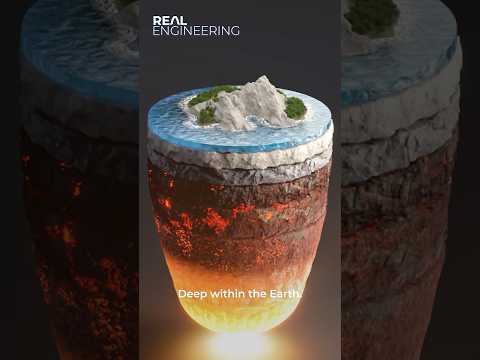
So, imagine this: you’re at a hot spring, chilling in that warm water, feeling like you’re in a natural spa. You soak it all in, and then you think, “Hey, where’s this heat even coming from?” Well, that warmth is just a tiny peek into what lies beneath our feet.
Geothermal energy is like Earth’s cozy blanket. It’s super cool how the planet has this crazy hot core. I mean, we’re sitting on a giant ball of molten rock! Isn’t that wild?
There’s so much happening down there. It’s not just lava and magma; it’s potential energy waiting to be tapped into. Just think about it: we could power our homes and keep everything running while being kind to the environment.
So let’s dig into the depths of geothermal energy together! You follow me?
Exploring the Applications of Geothermal Energy: A Comprehensive PDF Guide for Scientific Insights
So, let’s talk about geothermal energy. You know, that awesome energy source straight from the Earth’s heat? It’s like tapping into the planet’s natural oven! When we dig deep into the Earth, we find a whole lot of hot stuff, literally. This heat comes from a few places – like the decay of radioactive materials and the leftover heat from when our planet formed. Seriously cool, right?
Now, what can we actually do with this heat? Well, here are some neat applications:
- Electricity Generation: One of the most exciting uses! We can turn steam from hot underground water into electricity. Think of it as nature’s way of powering our lights and gadgets.
- Direct Heating: This is super useful in cold areas. We can use geothermal heat directly for heating buildings or even growing plants in greenhouses!
- Heat Pumps: Ever heard of geothermal heat pumps? They’re like magic machines that transfer heat to and from the ground. They keep your house cozy in winter and cool in summer.
- Industrial Uses: Some industries use geothermal energy for processes like drying crops or producing minerals. It’s efficient and cuts down on greenhouse gas emissions!
Now, let’s remember where all this comes from: geothermal reservoirs. These are spots where hot water or steam accumulates underground. The depth at which we find this heat varies but can be anywhere from a few meters to several kilometers deep! Those depths usually depend on geological features, which is kinda exciting because they’re all unique.
Honestly, I got a little emotional thinking about this once while hiking near a geothermal site. Imagine standing in front of bubbling mud pools and spouting geysers; it just hits you how powerful nature is! It’s like witnessing a raw connection to the Earth.
Still, harnessing geothermal energy isn’t without its challenges. For instance:
- Location Restrictions: Not every place has easy access to those hot reserves. You’ve got to pick your spots carefully.
- Sustainability Concerns: If we’re not careful about extracting that heat too quickly, it could deplete local resources.
- Initial Costs: Setting up these systems can be pricey at first but think long-term savings on energy!
In some parts of the world—like Iceland—they’ve really nailed geothermal energy use! Their homes get heated through this amazing resource because they sit right on volcanic activity zones.
So yeah, geothermal energy is more than just a trendy buzzword; it’s literally heating things up in an eco-friendly way! As we look for cleaner alternatives to fossil fuels, tapping into Earth’s natural warmth could be key for a more sustainable future. It feels good to think we’re using what the planet offers us instead of draining it dry!
Exploring the Scientific Advances in the Application of Geothermal Energy
Geothermal energy is pretty fascinating, right? It’s all about tapping into the Earth’s own heat. You see, deep below our feet, there’s a treasure trove of thermal energy just waiting to be used. This energy comes from the Earth’s core, where temperatures can reach thousands of degrees Celsius, mainly due to radioactive decay and residual heat from when the planet was formed.
So what is geothermal energy exactly? Well, it’s essentially heat that comes from within the Earth. It’s harnessed by drilling deep into the ground to access steam or hot water that’s stored in reservoirs. This steam can then drive turbines to generate electricity or be used directly for heating buildings.
But here’s where it gets interesting! Advances in technology and research are shaping how we utilize this resource. For instance, enhanced geothermal systems (EGS) have emerged. This means instead of just relying on naturally occurring hot spots, we can create artificial reservoirs by injecting water into hot rock formations and extracting steam afterward. It’s like giving the Earth a little nudge!
Now let’s dig deeper—pun intended! Choosing locations for geothermal plants involves studying geological formations. Places with volcanic activity are usually prime candidates since they naturally produce high heat flows. But surprisingly, even places not known for volcanoes can have potential! Researchers are constantly mapping out areas with geothermal potential using techniques like seismic surveys and magnetic imaging.
One exciting aspect is that geothermal energy isn’t just about electricity generation! You got it; this versatile resource can also be used for district heating or even for growing crops in greenhouses through a method called greenhouse heating via geothermal systems.
Also, there’s an environmental angle here that I find really appealing. Geothermal plants have a small land footprint compared to fossil fuels and emit far fewer greenhouse gases during operation! It helps us transition towards cleaner energy sources while providing reliable power—you know what I mean?
Still, challenges exist! For one thing, we need to manage the sustainability of these resources carefully. Overusing geothermal reservoirs can lead to depletion if not managed properly—so maintaining balance is key here.
In sum, exploring geothermal energy means diving into an underappreciated source of power that sits right beneath us! With ongoing innovations and careful management, this “hidden” form of clean energy could play a big role in our future energy landscape while helping protect our planet for generations to come.
Exploring the Economics of Geothermal Energy: Trends, Benefits, and Future Prospects in Sustainable Science
Geothermal energy is one of those things that sounds super high-tech but honestly, it’s all about tapping into the Earth’s heat. Yeah, you heard that right. The Earth is like a giant oven, and underneath our feet, there’s a treasure trove of hot stuff just waiting to be used for energy. This energy comes from two main sources: the heat from the planet’s formation and the radioactive decay of materials deep within the Earth.
Now, let’s talk money—because economics is a big deal when it comes to renewable energy. The current trends in geothermal energy are pretty interesting. For one, costs have been steadily dropping over the years. You might think drilling wells and setting up power plants would break the bank, but advancements in technology and better exploration methods means we’re getting more efficient at finding and using geothermal resources.
There’s something really cool about geothermal energy: once set up, it has really low operating costs compared to fossil fuels. It doesn’t fluctuate with market prices in quite the same way, which can protect us from price shocks. So this makes it a very stable investment. Imagine not having to worry as much about gas prices going crazy every few months!
Then there are those environmental benefits we hear so much about these days. Geothermal plants produce pretty much zero greenhouse gas emissions during operation—like, none! They’re way cleaner than coal or natural gas facilities. This makes them super appealing for countries wanting to cut their carbon footprints.
But you know what? There are still some challenges involved with going full steam ahead on geothermal energy. One major thing is finding suitable locations for power plants because not every spot has accessible geothermal resources. That makes exploration costs higher initially—which can deter some investors or developers.
So what about future prospects? Well, there’s a lot of research happening right now! Countries are experimenting with enhanced geothermal systems (EGS), which basically means creating artificial reservoirs to generate heat where it doesn’t naturally exist or where traditional methods aren’t efficient enough.
Imagine if we could harness even more of that underground heat! It could change everything—we’re talking about turning this into a massive player in sustainable science globally!
To wrap it all up:
- Geothermal resources come from the Earth’s internal heat.
- Cost efficiency: Lower operating costs after initial setup.
- Environmental impact: Significantly less pollution than fossil fuels.
- Challenges in exploration: Finding suitable sites can be costly.
- The future looks bright: Innovations like EGS may expand potential locations.
So yeah, understanding how geothermal energy fits into our economic landscape opens up a conversation about sustainability that gets more exciting by the day! Who knows where we’ll go from here?
Okay, so let’s talk about geothermal energy. It’s one of those things that sounds super fancy, right? But it’s actually pretty simple and, in a way, kinda magical. You know how when you dig a little below the surface of the earth, it gets warm? That warmth is the Earth’s heat, and we can tap into that to create power!
I remember this one summer I spent in Iceland—just breathtaking! There were these geothermal pools everywhere. You could literally soak in hot water that came straight from the Earth. I mean, how cool is that? It really hit me there how much energy lies just beneath our feet. Like, there’s this entire world of thermal energy swirling around down there!
The deeper you go into the Earth, the hotter it gets. This isn’t just some random occurrence; it’s all about the layers of rocks and minerals that trap heat generated by natural radioactive decay and leftover heat from when our planet was formed eons ago. So when you hear “geothermal,” think of those cozy pools or maybe even steam rising from underground.
So here’s the thing: geothermal energy comes from places where we can reach those hot rocks easily—like at tectonic plate boundaries or volcanic regions. We drill down to access this heat source, which can then be used to produce steam that drives turbines to create electricity. I mean, it sounds pretty straightforward when you break it down like that.
But here’s where it gets tricky: not every spot on Earth is suitable for this kind of energy harvesting. Some countries are really lucky because they sit right on top of these geothermal hotspots—think Iceland again or even parts of California and New Zealand—but others are not so fortunate.
Still, scientists are getting creative with technology to find new ways to harness this heat even in less ideal locations! Like Enhanced Geothermal Systems (EGS), where they create artificial reservoirs underground to pump water into hot rock formations and bring back steam for power generation.
And honestly? It feels like such an exciting frontier! As we keep searching for sustainable energy sources amidst climate change challenges and environmental concerns, geothermal shines as a reliable option—it has a small carbon footprint compared to fossil fuels.
So next time someone mentions geothermal energy, just picture that warm water bubbling up from deep within our planet like a big hidden treasure chest waiting to be opened! It’s not just about generating power; it’s about understanding our Earth better and respecting the dynamic processes happening right under our feet. Quite beautiful if you ask me!