You know, when I was a kid, I used to think the Earth was just this giant ball of dirt. I mean, it’s what we see every day, right? But it turns out, underneath all that dirt is a massive heat source. Like a cosmic oven just waiting to be tapped into!
Seriously though, geothermal energy is one of those things that sounds super sci-fi but is actually real and pretty cool. People are getting smarter about how to use the heat from our planet to power homes and businesses. It’s like finding a secret stash of snacks in the kitchen—except this stash can help tackle climate change!
And guess what? Advances in geothermal technology are making it easier and more efficient than ever. So let’s chat about how we’re harnessing all that natural warmth below our feet! You’ll be amazed at what’s cooking down there.
Exploring the Applications of Geothermal Energy: A Comprehensive PDF Guide in Scientific Research
Geothermal energy is one of those hidden gems of renewable resources, you know? It taps into the Earth’s internal heat to generate power or provide direct heating. This energy comes from a variety of places, like the natural heat stored beneath our feet, volcanic activity, and even hot springs. Pretty cool, right?
When we talk about applications of geothermal energy, we can break it down into a few key areas. It’s not just about making electricity; it’s so much more than that.
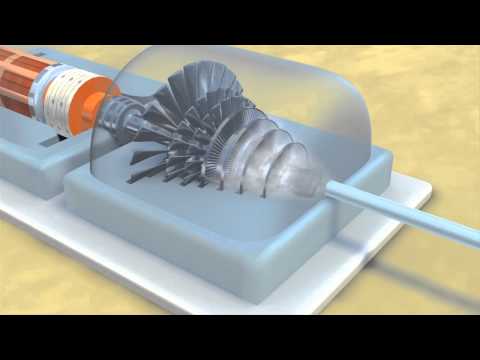
- Electricity Generation: One of the biggest uses of geothermal energy is to make electricity. Power plants dig deep wells and use steam from the Earth to turn turbines. Countries like Iceland and the Philippines are leading examples where this works like a charm!
- Direct Use Applications: Sometimes we don’t even need to convert geothermal heat into electricity! We can use it directly for heating buildings, growing plants in greenhouses, or even drying crops.
- District Heating: This involves distributing hot water from geothermal sources through a network to heat multiple buildings at once. Imagine cozy homes all winter long without burning fossil fuels.
- Thermal Energy Storage: Geo-systems can store excess heat for later use. Think about taking that summer sunshine and keeping it for when you really need it in winter! How smart is that?
So, now let’s dig a little deeper (pun intended!) into scientific research around these applications. Scientists are always looking for better ways to harness this energy efficiently. For instance, advances in drilling technologies allow us to reach greater depths where hotter temperatures exist. This means we could potentially tap into energy sources previously deemed inaccessible.
Another exciting area is Enhanced Geothermal Systems (EGS). In places where hot rock exists but there’s no water, researchers are exploring ways to inject water into these rock formations to create steam that can turn turbines. It’s like creating your own geothermal reservoir!
And let’s not forget about environmental considerations! Geothermal energy has a smaller carbon footprint compared to fossil fuels—this means less greenhouse gas emissions and a cleaner planet. But there are challenges too; groundwater contamination and land subsidence can happen if not careful.
As scientists keep refining these technologies and techniques, we’re likely going to see more widespread use of geothermal solutions around the globe. Have you ever thought about how many opportunities this clean energy source could unlock? It’s exciting stuff!
In summary, exploring geothermal energy applications opens up all sorts of possibilities—not just for electricity but for heating homes or even farming practices! With ongoing research aiming at improving efficiency and sustainability, there’s no telling what amazing advancements lie ahead as we continue on this path towards greener solutions!
Exploring the Three Key Applications of Geothermal Energy in Scientific Innovation
Geothermal energy is pretty cool, and it comes straight from Earth’s core. Like, literally! It’s that heat beneath our feet that we can capture to do some amazing things. Let’s break it down into three key applications of geothermal energy that are pushing the boundaries of scientific innovation.
1. Electricity Generation
So, the first biggie is using geothermal energy to generate electricity. This happens in power plants where hot steam from the Earth spins turbines. Those turbines crank out electricity! In places like Iceland, where the geothermal activity is off the charts, they’ve been doing this for decades now. Imagine a country running mainly on Earth’s heat—pretty impressive, right?
The steam that escapes from deep underground is supercharged with energy. When it reaches the surface, it can be used to turn turbines and generate power much like how fossil fuels burn to create energy—but way cleaner! Those power plants not only provide necessary electricity but also help reduce greenhouse gas emissions.
2. Direct Use Applications
Next up is direct use applications of geothermal energy. This is where things get interesting because it goes beyond just generating electricity. Basically, we can use hot water directly for heating buildings, greenhouses, or even drying crops!
A place like Reykjavik in Iceland uses this method extensively—you know how you see those cozy homes in snowy landscapes? Well, underneath those homes are pipes filled with hot geothermal water keeping them warm and toasty all winter long! And it’s not only efficient; it’s super sustainable too.
3. Enhanced Geothermal Systems (EGS)
Now let’s chat about Enhanced Geothermal Systems (EGS). Here’s where science really flexes its muscles! EGS involves creating artificial reservoirs by injecting water into hot rock formations deep underground to produce steam for energy generation.
This method has some serious potential because it can create geothermal resources in areas that aren’t naturally favorable for traditional forms of geothermal energy extraction. It opens up possibilities for harnessing heat in regions previously considered unsuitable for geothermal projects!
For example, researchers are exploring sites in areas with high heat flow but no natural reservoirs—think deserts or places without volcanic activity—and they’re making progress! It’s all about making use of what we have beneath us while minimizing environmental impact.
So there you have it: electricity generation, direct use applications, and enhanced systems are just three significant ways we’re tapping into Earth’s heat to innovate and improve our lives—without sacrificing sustainability or harming the planet too much.
Harnessing geothermal energy isn’t just about flipping switches; it’s about being smart with nature’s gifts and finding new ways to thrive together on this planet we call home!
Exploring the Economic Viability of Geothermal Energy: Impacts and Innovations in Renewable Resource Management
Geothermal energy is a pretty cool topic when you think about it. It’s all about harnessing the heat from the Earth’s core. This energy source is one of the oldest forms of renewable energy, but it’s still got so much potential and room for innovation. So, let’s break down its economic viability and how we can manage this resource better.
First off, the cost-effectiveness of geothermal energy has improved dramatically over the years. In the past, drilling deep into the Earth was super expensive and risky. But technology has come a long way! Nowadays, advanced drilling techniques can lower those initial costs quite a bit. You know how sometimes you find a really good deal when you’re shopping? It’s kind of like that with geothermal investments these days; they’re paying off better than before.
Another factor to consider is how geothermal plants operate. Unlike solar or wind farms that have fluctuating outputs depending on weather conditions, geothermal plants provide consistent power generation. Talk about reliable! This constant supply can help stabilize energy prices over time, making them more predictable for consumers and businesses alike.
But let’s not forget about environmental impacts either! Geothermal energy has a lower carbon footprint compared to fossil fuels. Emissions are minimal since it uses heat from within the Earth rather than burning anything harmful. So, not only does it make economic sense to invest in this technology, but it also benefits our planet.
You might be wondering what innovations are happening right now in this space? Well, new methods like enhanced geothermal systems (EGS) are on the rise! They pump water into hot rock formations to create steam that spins turbines for power generation. It allows us to tap into resources in places that weren’t suitable for traditional geothermal extraction before—like areas with lower natural heat flow.
Also noteworthy is how geothermal energy can integrate with other renewable sources. Imagine pairing these plants with solar farms or wind turbines. The synergy could create hybrid systems that deliver even more consistent power while balancing out each other’s fluctuations throughout the day or during different seasons.
Let’s also chat about community involvement! Some areas leverage geothermal resources as local economic boosters by creating jobs related to plant operation and maintenance. Plus, smaller-scale geothermal systems—like ground-source heat pumps—can reduce heating and cooling costs in homes while actually adding value to properties!
So yeah, when you put everything together, exploring geothermal energy shows real promise both economically and environmentally. With better technology and innovative approaches to resource management, we really have an exciting path ahead for this renewable source! If we keep pushing forward with research and investment into these technologies, who knows what amazing breakthroughs await us?
You know, there’s something kind of cool about Earth’s heat. I mean, it’s just sitting there, right beneath our feet, an untapped treasure trove of energy waiting for us to harness it. When you think about geothermal technology, it might sound all technical and sci-fi-ish. But really, it’s just a smart way of using the warmth from the Earth to provide energy and heat.
I remember this road trip I took with some friends a while back. We ended up in a small town near hot springs. The smell of sulfur was strong, but once we hit the springs? Wow! After a few minutes in that warm water, you felt every stress melt away. It was just nature at its best—using the Earth’s natural heat to bring some bliss into our lives. That’s kinda what geothermal tech is all about!
So anyway, geothermal energy is basically all about tapping into that natural warmth. You’ve got places where the Earth’s crust is thin—like those hot spring spots I mentioned—and that’s where we see geothermal plants popping up. They dig deep wells and pump out steam or hot water to turn turbines and generate electricity. Cool, right?
But here’s where it gets even more interesting: these technologies are advancing fast! We’re now talking about enhanced geothermal systems (EGS) that can create reservoirs in areas without those natural hot spots. They use water to fracture rock and unlock hidden heat sources. It’s like saying, “Hey Earth, let me borrow some of that heat you’ve got!”
Of course, as with anything great, there are challenges. For one thing, not every region can access this type of energy easily—not yet anyway. And sure, there are concerns over land stability and environmental impacts too—the last thing we want is to mess with Mother Nature! But researchers are on it—coming up with solutions and minimizing risks.
It’s just amazing when you think about how Earth has been cooking for billions of years and we’re only starting to scratch the surface of what we can do with that heat! So much potential for renewable energy here; it’s pretty exciting when you imagine how this could fit into our broader efforts to combat climate change.
Anyway, every time I think about my little hot spring getaway or all those places bubbling up with steam underground…that connection between nature’s power and human ingenuity feels both humbling and inspiring! Using what’s right beneath our feet is like having a cozy blanket made by nature itself; it’s warm and reminds us how connected we are—the world is pretty awesome if you ask me!