So, picture this: you’re lounging on the beach, sipping a cold drink. The sun’s blazing down, and you can feel the heat radiating off the sand. Kinda makes you think, right? What if we could tap into that heat, like some sort of magic energy source?
Well, spoiler alert: we can! Earth has this incredible stash of warmth just waiting for us to use. It’s like a giant oven under our feet, and it’s time we got to baking up some sustainable energy solutions!
Seriously though, harnessing the heat from deep within our planet—geothermal energy—is one of those awesome things that sometimes gets overshadowed by solar panels and wind turbines. But it’s got so much potential!
So let’s chat about how we can turn Mother Earth’s cozy interior into an eco-friendly energy source that might just help save the planet. Sounds cool? Yeah, I thought so too!
Exploring the Scientific Barriers to Geothermal Energy Development
Geothermal energy is one of those hidden gems in the renewable energy world. It’s all about harnessing the natural heat that comes from the Earth itself—pretty cool, right? So, you might be wondering what stands in the way of making this energy source more mainstream. Let’s break some of those barriers down!
Initial Costs and Infrastructure
Setting up geothermal power plants ain’t cheap. The upfront investment can be, like, really high. You’re talking about drilling deep into the Earth to reach hot water or steam reservoirs. And drilling isn’t a walk in the park; it requires specialized equipment and expertise. Plus, if you’re not careful with site selection, you might end up with a dry hole—ouch! That could mean lots of wasted money.
Location Limitations
Not every place on Earth is suited for geothermal energy. It’s mostly found near tectonic plate boundaries where volcanic activity occurs. This limits potential sites to certain regions, like around Iceland or California’s Geysers area. Can you imagine trying to explain to someone in Kansas why they can’t just tap into geothermal? They’d probably say, “Why not?” But geography plays a huge role here.
Environmental Concerns
Now don’t get me wrong; geothermal is much cleaner than fossil fuels, but it still has its environmental quirks. For example, extracting heat from the ground can trigger some ground subsidence—basically when the land sinks a bit because of exploitation. Plus, there are concerns about water usage and pollution from chemicals that might be used during drilling or in the power generation process.
Technological Challenges
While we’ve made strides in technology—think underground monitoring systems and enhanced geothermal systems (EGS)—there’s still room for improvement. Not all existing tech is efficient or cost-effective enough for widespread use. Sometimes we just need breakthroughs that haven’t happened yet! Getting those innovations into play can take time and resources too.
Sociopolitical Factors
Getting projects off the ground often requires navigating red tape and local regulations—not fun! Each area has different laws regarding land use and energy production which can complicate things further. For instance, if there are indigenous lands involved or environmental protection areas nearby, that adds layers of complexity to any development plan.
Public Perception
Lastly—and this one’s kind of human—you’ve got public perception to deal with. People might not trust geothermal energy because it’s less familiar than solar or wind power. Sometimes folks worry about safety issues tied to drilling or earthquakes resulting from groundwater injection techniques used in some projects.
So yeah, while geothermal energy has some serious potential for providing sustainable energy solutions by tapping into Earth’s heat, several barriers make it challenging to fully realize its benefits just yet! The journey towards more widespread adoption will take time and innovation on many fronts—like fixing those pesky costs and nailing down better technologies while keeping an eye on safety and environmental impacts!
Exploring Geothermal Residential Heating and Cooling Systems: A Sustainable Approach to Climate Control
So, geothermal residential heating and cooling systems—what’s the deal with them? Well, you can think of these bad boys as tapping into the Earth’s own heat to keep your home cozy in winter and cool in summer. It’s like nature’s way of giving you a hand with climate control!
Now, let’s break this down. Basically, they work by transferring heat from the ground or from the air into your home—or vice versa. In winter, when it’s chilly outside, the system pulls heat from below the surface where it’s warmer. In summer, it does just the opposite: it takes heat out of your house and sends it back down into the cooler ground.
How do they work? It sounds complicated at first but hang on! Here are a few key points:
- Ground Source Heat Pumps (GSHP): These systems have pipes buried underground that circulate a fluid—usually water or antifreeze. This fluid absorbs heat from the soil during winter.
- Closed Loop Systems: The most common setup uses loops of pipe that’s either horizontal or vertical. It depends on how much yard space you have!
- Open Loop Systems: These use groundwater directly in their operation. But here’s a catch: you need an adequate well and local regulations allow this kind of system.
Now you might be asking yourself why anyone would want to invest in something like this? Well, for starters, these systems can cut heating costs by about 50%. That’s no small change! Plus, they’re super eco-friendly compared to traditional fossil fuel-based heating methods.
Let me share a little story here. My buddy Jake decided to go for geothermal last year after he saw his neighbor’s utility bill drop like a rock after installing one of these systems. He was skeptical at first but took the plunge anyway—and guess what? He couldn’t believe how much he saved over just a few months! Makes you think twice about those old-school furnaces we grew up with.
Now, let’s talk about cooling too because that might surprise some folks. You see, while natural gas or electricity-powered systems often struggle during hot summers, geothermal cooling can be really effective since it moves hot air out and brings in that cool underground breeze.
Of course, there are some upsides and downsides to consider. The initial investment is usually higher than conventional systems—it might feel like you’re coughing up some serious cash upfront. But if you hang tight for a few years and factor in all those savings on energy bills and maintenance costs (less wear and tear!), you’ll probably find it’s worth every penny.
And don’t forget about installation! You need enough land for digging those loops or wells—and that’s why having professional help is key here. They’ll assess your property to figure out what works best for your situation.
In summary—geothermal heating and cooling systems harness natural energy right from beneath our feet to give us comfy homes without burning fossil fuels constantly; they’re sustainable options that not only help save money but also keep our planet smiling! So next time someone mentions climate control solutions, you’d totally be informed enough to throw geothermal into the mix!
Exploring the Optimal Regions for Geothermal Energy Production and Electricity Generation
Geothermal energy is one of those gems in the renewable energy crown. It’s all about harnessing the natural heat from beneath the Earth’s surface to generate electricity and provide heating. So, where do we find the best spots for this? Well, it’s not just anywhere—it mostly depends on some specific geological factors.
First off, you need hot spots. These are regions where magma is closer to the Earth’s crust, making it easier for that heat to rise up. Think places like volcanic areas or tectonic plate boundaries. Some prime examples include:
- The Ring of Fire: This area encircles the Pacific Ocean and has loads of volcanoes. Countries like Iceland and Indonesia are big players here.
- East African Rift: Stretching through countries like Kenya and Ethiopia, this is another hotspot where geothermal potential is high.
Next up is hydrothermal resources, which are essential for geothermal plants. They need water—lots of it! So, regions with sufficient groundwater are ideal. When water circulates through hot rocks, it forms steam that can be used to turn turbines and generate electricity.
You might be curious about how deep we have to dig. Generally, geothermal resources can be found at depths ranging from a few hundred meters to several kilometers. In some cases, it’s relatively shallow; other times—not so much! For instance, Iceland has hot springs that pop up right at the surface due to its unique geology.
Now, we’ve got different types of geothermal power plants:
- Dry Steam Plants: These pull steam directly from underground reservoirs.
- Flash Steam Plants: They take high-pressure hot water from underground; as it rises, it turns into steam.
- Binary Cycle Plants: These use a secondary fluid with a lower boiling point than water to generate steam at lower temperatures.
It’s kinda cool how versatile these systems can be!
And let’s not forget about sustainability—geothermal energy has a pretty small footprint compared to fossil fuels. It’s reliable too! While wind and solar depend on weather conditions, geothermal energy can produce power consistently, which helps stabilize our energy grid.
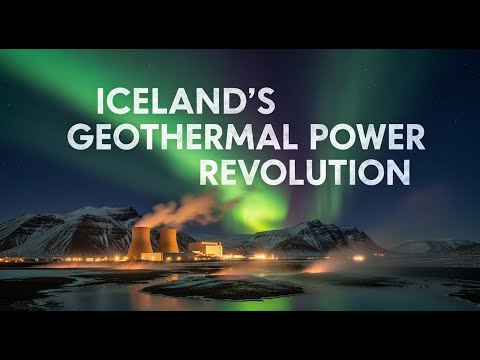
A notable project showcasing geothermal energy’s potential is The Hellisheiði Power Station in Iceland. This plant taps into both electricity generation and direct heating solutions—like keeping greenhouses warm! It exemplifies how effective this type of energy can be when you harness local resources wisely.
But there are challenges too! Not every place suited for geothermal development has easy access to infrastructure or financial resources—which means some places just can’t get there yet. Plus, environmental concerns pop up regarding land usage and induced seismicity (small earthquakes caused by drilling). That said, responsible management can minimize these risks!
So there you have it: geothermal energy’s optimal regions mainly lie in geologically active areas with plenty of hot rock and water. As more folks wake up to sustainable solutions like this one, maybe we’ll start seeing more projects popping up around the globe! Keep your eyes peeled—you never know what might come next!
You know, there’s something really incredible about the Earth beneath our feet. It’s like this enormous furnace, constantly bubbling with heat. You might not think about it often, but that heat can actually be a game changer for energy. Seriously! Harnessing Earth’s heat is one of those things that feels both ancient and futuristic at the same time.
I remember visiting a geothermal plant once, and wow, the energy in that place was palpable. They had this giant well where steam shot up like a dragon breathing fire! It made me feel so small and yet so connected to the Earth. The folks working there explained how they tap into the molten rock that lies beneath us. It’s kinda mind-blowing when you realize that just a few kilometers down, there’s enough heat to power entire cities for years.
So what exactly is geothermal energy? Well, it’s pretty simple! Basically, we’re taking the heat from inside the Earth and using it to generate electricity or even just warm our homes. There are different methods for doing this—some involve pumping water down into hot rocks and bringing it back up as steam, while others use hot water directly for heating purposes. It’s all about finding ways to use what we already have under our feet.
And here’s where it gets even more interesting: geothermal energy is super reliable compared to other renewable sources like solar or wind. I mean, think about it—wind doesn’t always blow, and sun doesn’t always shine, but Earth is always churning with heat! Plus, it has a smaller carbon footprint than fossil fuels. We’re talking clean technology that can help cool off our planet instead of making things worse.
But of course, it’s not all sunshine and rainbows (pun intended). There are challenges too—like finding suitable locations and dealing with potential environmental impacts in certain areas. And let’s face it: not every place has easy access to those hot spots deep underground.
Still, I think harnessing Earth’s heat is worth exploring more as we look for sustainable solutions. Especially since climate change isn’t waiting around for us to catch up. Picture communities running on clean energy while reducing their carbon footprint—sounds good right? So here’s hoping we keep pushing boundaries with geothermal tech because if we can tap into this natural resource wisely, who knows what kind of future awaits us?