So, picture this: you’re sitting in your living room, eating popcorn, and suddenly the lights flicker. You’ve just realized that the storm outside is making your power go haywire. Bummer, right?
But what if I told you there’s a way to keep the lights on even when Mother Nature throws a tantrum? That’s where windmills come in! Seriously, they’re not just for that picturesque countryside anymore.
Imagine having your very own mini windmill at home, generating energy while you binge-watch your favorite show. Sounds dreamy? Well, it might be easier than you think! Let’s chat about how harnessing wind power can make your home more sustainable and keep those movie marathons rolling!
Assessing the Viability of Residential Wind Turbines for Sustainable Home Energy Solutions
So, you’re curious about residential wind turbines and whether they can actually work for home energy solutions? That’s a pretty cool topic! Let’s break it down in a way that feels straightforward and relatable.
- Understanding Wind Energy
Wind energy is the result of harnessing the kinetic energy from moving air. Basically, when wind blows, it can turn the blades of a turbine, which then spins a generator to produce electricity. It’s like catching the breath of the Earth and turning it into power for your home! Imagine being able to run your lights or charge your phone just with the breeze outside. - Residential Wind Turbines: What Are They?
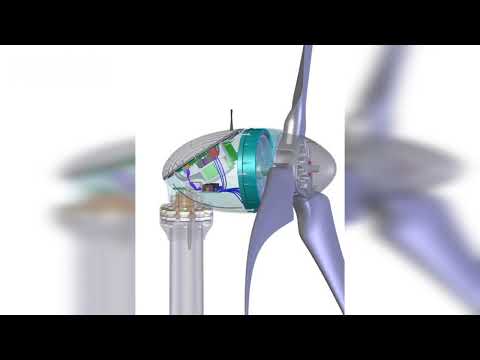
So, residential wind turbines are smaller versions of those big ones you see on wind farms. These turbines are designed to fit on rooftops or in backyards. They come in different sizes and shapes, usually between 400 watts to about 10 kilowatts. That means they’re made for homes! But before you get excited, let’s talk about some practical stuff. - Assessing Viability
Not all places are perfect for wind turbines. You really have to consider your location. The average annual wind speed should be at least 5 meters per second (about 11 mph) for these things to work efficiently. If you live in a windy area—like near an ocean or open field—you could be in luck! But if you’re surrounded by tall buildings or trees blocking the breeze? Well, that might not be ideal. - Cost vs. Benefit
Investing in a residential turbine isn’t cheap! Initial costs can range from $10,000 to $50,000 depending on size and installation fees. It might sound like a lot upfront, but think about this: once it starts working well, you could save money on your electricity bills over time and even earn income by selling excess power back to the grid! - Regulations and Zoning Laws
Before you get all pumped up to install one of those beauties, check out local laws and regulations regarding zoning and permits. Some areas have strict guidelines about how tall turbines can be or where they can go—it’s a real bummer if you’ve got a great spot but can’t use it because of rules! - Environmental Impact
While it’s totally awesome that wind energy is clean—you know, no pollution—it does have its quirks too. Birds may collide with turbine blades if they’re placed in migration routes. It’s important to assess these impacts when planning where to set up shop. - Maintenance Needs
Wind turbines aren’t just “set it and forget it.” They require regular maintenance checks—just like any piece of equipment at home! This includes checking bolts, lubricating moving parts, and ensuring everything’s performing well. Keeping that little machine happy is key to great performance! - The Future of Home Energy Solutions
As technology evolves, residential wind turbines are becoming more efficient and affordable too! More people are getting interested in sustainable energy options as awareness grows about climate change—and that’s exciting! Plus, combine them with solar panels? Now that’s like double trouble for low energy bills!
So there you have it! Residential wind turbines can definitely be part of sustainable home energy—but assessing their viability involves multiple factors like location, costs involved, maintenance needs and local regulations. If done right? You could harness the power of the wind right from your backyard! How cool is that?
Examining the Scientific Perspectives on Farmers’ Opposition to Wind Turbines
When we get into the topic of farmers’ opposition to wind turbines, it’s really interesting to see the mix of feelings and scientific perspectives at play here. On one hand, you’ve got the idea of using wind power for clean energy, and on the other, there are farmers who often see these turbines as a threat to their livelihoods and land.
First off, let’s talk about the concerns farmers have. Many farmers worry about how these big structures might affect their crops and livestock. There are some fears that wind turbines could lead to decreased property values or disrupt daily farm activities. For example:
- The sound from wind turbines can be quite loud; some folks believe it could scare animals.
- Turbines might cast shadows or create flickering light that could interfere with farming operations.
Beyond just annoyance, there’s also a practical side to consider. Farmers might think about how much land is taken up by these giant structures. Just imagine owning a large plot of land but knowing some of it has been set aside for a turbine! It feels like losing usable space. This can translate into real economic impacts, especially when farmers depend on every bit of land for production.
Now let’s flip the coin and look at the scientific side. Experts argue that widely deployed wind energy can significantly reduce greenhouse gas emissions, which is super important for tackling climate change. Research shows that using renewable energy sources like wind can lead to better air quality and healthier ecosystems over time.
But science isn’t just black and white. There are studies suggesting that if done right, the economic benefits from wind farms can actually help local communities—like job creation during construction or maintenance periods! Also, sometimes farmers can strike deals with power companies that allow them to earn income by leasing out a part of their land for turbine installation.
This brings us to the key issue: communication. Many times, there’s a lack of dialogue between scientists, energy companies, and agricultural workers. Farmers want reassurance about how these wind projects will impact their lives long term. A simple conversation could clear up misconceptions and help them understand potential benefits instead of just focusing on negatives.
In conclusion, while some farmers may oppose wind turbines due to valid concerns about land use and impact on their way of life, there’s also a wealth of scientific evidence supporting renewable energy as crucial for sustainable development. Finding common ground through open discussions could be key in bridging this divide—so both sides can benefit from harnessing our natural resources!
Exploring the Major Challenges of Wind Power: Unveiling the Biggest Downsides in Renewable Energy
So, wind power is all the rage these days, huh? It’s a fantastic renewable energy source and definitely one of the cooler ways to harness energy from Mother Nature. But, let’s not sugarcoat everything. There are some serious challenges with wind power that we’ve got to talk about.
First off, intermittency is a biggie. Wind doesn’t blow all the time; sometimes it’s a gentle breeze, and other times it’s just dead calm. This means that when you’re relying on wind as your main source of energy, you might end up with days where your batteries are running low and you’re left in the dark—literally! I remember during a camping trip, we had this awesome little wind turbine setup that failed us on a still night. We ended up telling ghost stories by candlelight instead!
Another thing to consider is location limitations. Not every place on earth gets enough consistent wind to make wind turbines worth it. If you live in an area where the average wind speed doesn’t hit around 15 miles per hour regularly, then those turbines may not spin much at all for you.
Then there’s the whole issue of impact on wildlife. Birds and bats don’t always have the best luck around wind turbines. They can sometimes get caught in the blades—yikes! This has raised concerns among environmentalists who want to protect our feathered friends while still pushing for clean energy solutions.
Also, let’s talk about noise pollution. Wind turbines can be pretty loud! Imagine living right next door to one—it could be like having an annoying neighbor who just won’t shut up! The whirring sound can become quite bothersome for people living nearby.
And then there’s cost implications. While installation prices have dropped over the years, setting up those towering beauties can still be pretty pricey upfront. You’ve got costs related to construction and maintenance that can pile up quickly.
Lastly, don’t forget about supply chain challenges. The materials needed to make these turbines are often sourced from far-off places or even overseas. If there are any disruptions—like what we saw during global events—the whole system could take a hit.
So yeah, while harnessing that sweet wind power sounds amazing and has tons of benefits for sustainable home energy solutions, it definitely comes with its own set of hurdles too! That’s just how it goes in life—nothing’s perfect, including our journey towards cleaner energy sources!
You know, I’ve always found windmills kinda magical. I remember a day spent at my grandparent’s house, with those huge white sails spinning in the breeze as we played tag in the fields. It felt like they were alive, harnessing nature’s power right there in front of us. Fast forward to today, and it’s pretty wild how that concept has evolved into something so practical for our homes.
Harnessing wind power might sound a little futuristic or complex, but honestly, it’s really about using what nature gives us. Just think about it: wind is everywhere, basically free, and doesn’t pollute the air like fossil fuels do. By putting up wind turbines or even small home-sized windmills, you can generate clean energy for your own space. Imagine getting a chunk of your electricity from the gusts blowing through your backyard!
Sure, there are some challenges involved—like figuring out if your area gets enough consistent winds or dealing with the costs of installation—but many folks are making it work. I’ve heard stories of people who’ve slashed their energy bills simply by tapping into that windy resource. It’s not just idealistic; it’s tangible and practical!
So picture this: you wake up every morning knowing you’re doing a little part to help the planet while saving some cash too. That sounds kinda cool, doesn’t it? Plus, it feels good to be part of something bigger than just yourself—or just your home! You’re literally taking action against climate change one spin at a time.
At the end of the day, using wind power at home isn’t just about saving money; it’s also about embracing a more sustainable way of living. And who knows? Maybe someday those big old windmills I loved as a kid will be seen on rooftops instead of fields—just another sign that we’re learning to live a bit more harmoniously with Mother Nature and all her gifts.