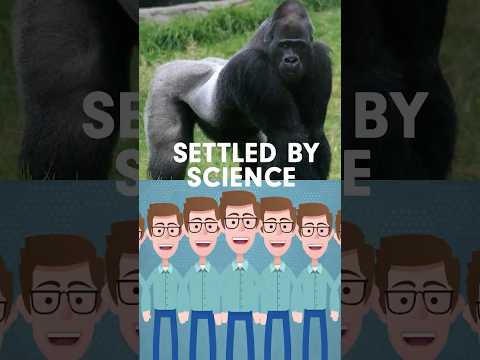
So, picture this: you’re at the zoo, and there’s a gorilla just chilling, munching on some leaves. It seems relaxed, right? But then it flexes those massive arms, and you can’t help but think, “Whoa! This dude could totally bench press me!”
Gorillas are like living tanks with their crazy strong muscles and unique body shapes. But here’s the kicker—they’re not just fascinating to look at. Their anatomy has a lot to say about where we all came from.
Seriously, studying gorilla anatomy isn’t just for biologists in lab coats. There’s a whole evolutionary story wrapped up in those muscles and bones! You know how they say we share a common ancestor? Well, learning about gorillas can help us figure out how we fit into the grand puzzle of life on Earth.
So yeah, let’s chat about what makes our furry cousins so special in the evolutionary world!
Exploring Gorilla Anatomy: A Comprehensive Guide to the Structure and Function of Our Primate Relatives
Gorillas are fascinating creatures, you know? They are not just our closest relatives in the animal kingdom but also show us a lot about evolution and human biology. Let’s take a look at their anatomy and why it matters.
Body Structure
Gorillas have a sturdy build. Their bodies are designed for strength and durability. They can weigh up to 485 pounds! That’s about the same as a small motorcycle. They have large, muscular arms that help them climb trees and move on all fours when they’re on the ground.
Skull Features
The skull of a gorilla is massive with a prominent brow ridge. This feature gives them that strong, intimidating look. Their teeth are also pretty interesting—larger canines compared to humans—perfect for their herbivorous diet which includes leaves, stems, and fruits.
Limb Functionality
Their arms are longer than their legs, which is different from us. This adaptation allows gorillas to swing from branches effortlessly. When they walk, they use what’s called “knuckle-walking.” It’s when they support themselves on their knuckles while moving on all fours. Pretty cool, right?
Respiratory System
Gorillas have large lungs and an advanced respiratory system that supports their high-energy lifestyle. Since they often live in high-altitude areas, this system helps them adapt to low oxygen levels easily.
Digestive System
Now about their digestion! Gorillas have an enormous gut because of the fibrous diet they maintain. It takes longer for them to digest everything because mostly they eat plants that are tough to break down.
Social Structure
Socially speaking, gorillas tend to live in groups called troops led by a dominant male known as the silverback—yep, named for his stunning gray hair! The silverback protects his family and makes decisions for the group.
Evolutionary Significance
Studying gorilla anatomy helps us understand our own evolution better. For example, by comparing our similar traits with theirs—like opposable thumbs or social behaviors—we get insights into how humans evolved over millions of years.
So basically, gorillas are much more than just big animals hanging out in trees; they’re key players in understanding where we come from as humans! And every time researchers learn something new about these magnificent primates, it brings us closer to grasping our place in the animal kingdom. Isn’t it amazing how connected we really are?
Exploring the Genetic Similarities: Do Gorillas Share 98% of Their DNA with Humans?
Gorillas and humans have a fascinating connection, and the idea that they share about 98% of their DNA is both intriguing and informative. But what does this really mean?
First off, it’s important to understand that DNA is like a recipe book for building an organism. The different recipes (genes) tell our body how to grow, develop, and function. So when we say gorillas share 98% of their DNA with us, it’s like saying we have a lot of similar instructions on how to be alive.
The Genetic Overlap
Now, this genetic similarity doesn’t mean we are just furry versions of each other! That extra 2% can make a huge difference. It might include critical genes related to things like brain size or the way our bodies process food. Small changes in the genetic code can lead to major differences in form and function.
– Gorillas might have genes that help them with strength and muscle tone. You know, climbing trees and all that!
– On the flip side, humans have genes affecting our capacity for language and abstract thought.
Anecdote Time!
I remember reading about a scientist who studied gorilla behavior in the wild. He spent years observing them in their natural habitat. One day he witnessed a mother gorilla tenderly grooming her baby while making soft grunts—a clear sign of affection. It hit me right then how closely related we really are! Those emotional connections? Totally rooted in our shared genetics.
Evolutionary Science
From an evolutionary perspective, understanding these similarities helps scientists piece together the puzzle of how species develop over time. Gorillas are part of our primate family tree—so looking at them can give insights into where we came from as a species.
– The common ancestor: Humans and gorillas split from a common ancestor millions of years ago.
– Studying anatomy: By examining gorilla anatomy—like their strong arms or digestive systems—scientists can learn how adaptations helped us survive in different environments.
While the 98% figure is often thrown around as a fun fact, it serves as more than just trivia; it reminds us of our place within the natural world. We’re all linked through evolution!
What This Means for Conservation
The human-gorilla connection isn’t just interesting scientifically but also raises questions about conservation efforts. If they’re part of our family tree and face threats from habitat loss or poaching, then protecting them takes on an added significance.
So next time you think about gorillas—and that 98% number—remember it’s not just about DNA; it’s about understanding ourselves better through these amazing creatures. They remind us where we came from while helping us figure out what we need to do for the future!
Exploring Same-Sex Behavior in Gorillas: Insights from Animal Behavior Studies
Sure, let’s chat about same-sex behavior in gorillas and why it’s a big deal in understanding not just the gorillas themselves but also the broader picture of animal behavior and evolution.
If you’ve ever seen videos of gorillas playing or interacting, you might notice some behaviors that seem kind of familiar—like the way they wrestle or cuddle with each other. Same-sex behavior in gorillas isn’t just a quirky thing; it plays an important role in their social dynamics.
Gorillas, like many animals, form strong social bonds. These relationships can include same-sex interactions that might look like playfulness or even tenderness. Male gorillas, for example, can often be seen grooming each other or engaging in playful fights. This is not only about fun; it’s crucial for building alliances and community within their groups.
Now, let’s get into the nitty-gritty of anatomy. Gorillas have complex social structures, heavily influenced by their physical attributes. Males typically have larger bodies and strength compared to females, but this physicality doesn’t overshadow the importance of behavioral dynamics. When males engage in same-sex behaviors, they can establish hierarchies and reduce tension within their group—which is pretty smart when you think about it!
You might ask what this means for evolutionary science? Well, these behaviors provide insight into the evolution of complex social structures among animals. By studying how same-sex interactions help maintain stability within gorilla groups, researchers can draw parallels to other species—including humans! Sounds interesting right?
Additionally, it’s important to note that these behaviors are not exclusive to gorillas; they occur across many species. Some scientists argue that such behaviors may have evolved because they confer advantages like stronger social bonds or greater cooperation in raising young.
So what are the key insights? Well:
- Social Bonds: Same-sex interactions help gorillas build strong relationships.
- Conflict Resolution: Engaging in friendly behaviors reduces tension.
- Evolving Insights: Studying these behaviors helps us understand social evolution.
- Species Comparisons: Similarities can be drawn between gorilla behavior and human interactions.
In short, studying same-sex behavior in gorillas opens doors to understanding both their lives and how social structures evolve across species—including us humans! Learning about this adds depth to our appreciation for animal behavior and reminds us that nature is full of surprises—especially when it comes to relationships!
Alright, so let’s talk about gorillas, those massive, gentle giants that roam the forests. When you think about their anatomy, it’s pretty mind-blowing! I mean, these creatures are built like tanks—strong, muscular bodies designed for life in dense jungles. Their arms are longer than their legs, and if you’ve ever seen one swing from branch to branch, you totally get why! They’re like the ultimate tree climbers.
But what’s fascinating is how all of this ties into evolutionary science. Gorillas share a common ancestor with humans. Yeah, that’s right! Even though we look super different, at some point in history, we were part of the same family tree. Studying gorilla anatomy helps scientists figure out how traits evolved over millions of years. Like, when you look at their massive jaws and teeth—perfect for munching on tough plants—it’s a glimpse into how our ancestors adapted to their environment.
Just imagine being out in the wild and seeing a silverback gorilla. It’s awe-inspiring. I remember watching a documentary once—it showed a baby gorilla trying to mimic its mom eating leaves. It was cute but also kind of profound when you think about it. That little one is learning survival skills and those skills are part of a long evolutionary dance between species.
Gorillas also have some pretty interesting skeletal structures that give us clues about movement and social behavior too. Their strong chests support powerful muscles used for display during social interactions; like when they beat their chests to show dominance or just communicate with others in the troop. This unique anatomy speaks volumes about how social behaviors have evolved over time.
The thing is, understanding gorilla anatomy isn’t just cool trivia; it has real implications for conservation efforts as well. Knowing how these animals function can help protect them and their habitats better because if we can understand them more deeply as living beings connected to us through evolution, maybe we’ll be more motivated to keep them safe.
So yeah, while gorillas might seem far removed from our daily lives or even our own bodies sometimes, they’re actually like mirrors reflecting where we came from—even if it’s just a little bit hazy back there in time! And in this grand narrative of evolution? Well, every piece matters!