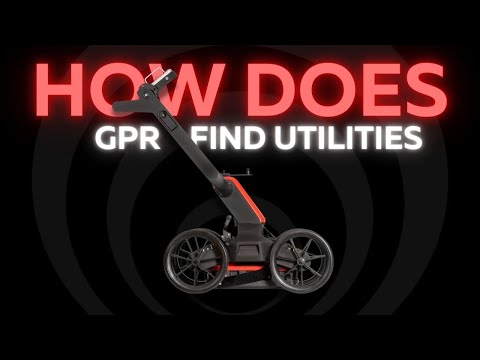
So, picture this: you’re in the middle of a field, and your buddy pulls out this gadget that looks like a fancy ping pong paddle. You think, “What on Earth is that?” Well, it’s actually a Ground Penetrating Radar (GPR) device. And no, it doesn’t help you find buried treasure—although that would be cool!
GPR is like your eyes into the ground. It sends out radar pulses and listens for echoes bouncing back. Trust me, it’s way more interesting than it sounds!
Imagine you could peek beneath your feet without digging up half your backyard—that’s the magic of GPR. From archaeology to geology and even environmental studies, these radars are super handy.
Stick around! We’re gonna dive into how these techniques work and why they’re making waves in the scientific world. It’s going to be a fun ride!
Exploring Ground Penetrating Radar: Applications in Scientific Research and Environmental Analysis
Ground Penetrating Radar, or GPR for short, is like the superhero of geophysical tools. It lets scientists “see” below the ground without digging a single hole. But how does it actually work? Well, let me break it down for you.
GPR uses radar pulses to image the subsurface. Basically, a transmitter sends out high-frequency radio waves into the ground. When these waves hit different materials—like soil, rock, or water—they bounce back to a receiver. This data helps create an image of what’s going on below your feet!
So where is GPR used? Seriously, all over the place! Here are some cool applications:
- Archaeology: Imagine discovering an ancient site just by scanning the ground. Archaeologists use GPR to locate buried structures without disturbing the soil.
- Environmental studies: You can find contamination in polluted sites with GPR. It helps identify what’s lurking underground so we can clean things up.
- Geology: Geologists often map subsurface features like faults and layers of rock formations, which aids in understanding earth processes.
- Infrastructure assessment: Engineers use GPR to inspect bridges and roads for hidden issues before they become problems.
Now, here’s a little anecdote: I remember hearing about a team that used GPR in a historic battlefield site. They didn’t have to dig up everything to find where soldiers might have fought; they just sent out their radar waves and got detailed images showing old trenches and artifacts. It was like opening a time capsule without touching anything!
One interesting thing about GPR is its ability to differentiate between materials based on their electrical properties. For instance, water has different reflective characteristics than dry sand or clay. This means you can spot groundwater levels pretty easily!
But it’s not perfect; there are challenges too—like depth limitations and interference from man-made structures. Dense materials can complicate readings or mask important features below.
In summary, Ground Penetrating Radar is a game-changer in scientific research and environmental analysis, helping us explore our world in ways that are both safe and efficient. From locating ancient ruins to assessing environmental impacts, its utility stretches far beyond what you might expect! So next time you walk through an archaeological site or past construction work happening above ground, think about what’s hidden just beneath your feet—it could be pretty amazing!
Understanding the GPR Method of Surveying: Insights into Ground Penetrating Radar Techniques in Scientific Research
Ground Penetrating Radar, or GPR, is an impressive tool in the scientist’s toolkit. This method is like peering beneath the ground without digging stuff up! So, the question is, how does this magical radar work?
Basically, GPR sends out high-frequency radio waves into the ground. When these waves hit different materials below the surface—like rocks, water, or even old walls—they bounce back to the surface. This bounce-back creates a picture of what’s going on underground. You follow me? It’s pretty nifty!
One of the coolest things about GPR is its use in various fields. You’ll find it in archaeology, geology, environmental studies, and even engineering. Imagine being an archaeologist who wants to find ancient ruins without digging a giant hole first. Instead of shovels and trowels, they can just use GPR to see where things might be lurking beneath the soil.
In terms of technical stuff—well—most GPR systems consist of an antenna that sends and receives those radio waves. The data collected gets processed into images known as radargrams. These images can show layers of soil and other materials in detail! It’s like looking at a cross-section of a delicious cake but underground.
You might be wondering about accuracy and limitations; I get it! While GPR can provide fantastic insights, there are some challenges. For instance, wet conditions or highly conductive soils (due to minerals) can mess with readings a bit. So the choice of location matters when planning a survey.
Another interesting aspect is how quickly GPR surveys can be done compared to traditional methods like drilling or excavation. Depending on the size of an area you want to scan, you could get results in just hours! Imagine being able to gather data so rapidly and still have confidence in what you’re seeing!
Yet another great application is monitoring environmental changes over time. Researchers can check for changes in groundwater levels or contamination using GPR techniques without disturbing anything on the surface. Doesn’t that sound super crucial for keeping our planet healthy?
Finally, let’s not forget safety concerns when dealing with buried objects like pipelines or cables; this non-intrusive method helps avoid accidents during excavations too!
So yeah, basically what you get with Ground Penetrating Radar are clear insights into hidden structures while leaving everything intact above ground! It’s like having X-ray vision for Mother Earth!
Exploring Geotechnical Applications of Ground Penetrating Radar (GPR) in Geological Science
Ground Penetrating Radar, or GPR for short, is like having a high-tech pair of eyes that can see underground. Seriously! It uses radar pulses to image the subsurface of the earth. So when geologists want to understand what’s happening beneath our feet—or rather, under all that dirt—they often turn to GPR. You know, it’s kind of like using sonar for mapping underwater, but instead, you’re using radar on land.
Now, let’s break down how GPR works. Essentially, it sends out electromagnetic waves into the ground. When these waves hit different materials—like rock, soil, or even water—they bounce back and create a picture of what’s down there. You could think of it as sending a text message and hearing back from your friend with details about their surroundings.
One cool thing about GPR is its versatility. It can be used in various **geotechnical applications**:
- Site investigations: Before constructing buildings or bridges, engineers need to know what’s lurking underground.
- Detecting utilities: GPR helps locate pipes and cables without digging up everything.
- Archaeology: Researchers can explore ancient sites without disturbing them—it’s non-invasive!
- Environmental studies: Understanding contamination and groundwater flow is easier with GPR.
Imagine being part of a team exploring an old battlefield site. You’re equipped with this fancy GPR device instead of shovels and picks. As you walk along the landscape, exciting details of hidden artifacts emerge on the screen! It’s thrilling to think about what secrets lay just below the surface.
But wait! While GPR is fantastic for many things, it’s not perfect. There are limitations too! For one thing, its effectiveness diminishes in certain types of ground materials like clay or wet sand. Those types can really mess with how signals come back, making interpretation tricky.
Plus, you might wonder about resolution—basically how clear those images are. The depth you can penetrate with GPR often depends on your setup: frequency of the antennae used plays a huge role here. Higher frequencies give better resolution but can only see shallower depths; while lower frequencies can go deeper but at the cost of clarity.
So basically, navigating through these challenges requires knowledge not just about technology but also geology itself! That’s why teams using GPR usually have geologists onboard who understand soil layers and variations.
In summary—and I know this might sound a bit nerdy—GPR is revolutionizing how we explore our planet’s hidden treasures and challenges beneath the surface. Whether it’s for construction projects or archaeological digs, this technology gives us insights we never had before—and that’s super exciting!
You know, the other day, I was chatting with a friend who works in archaeology. She was telling me about this amazing technique called Ground Penetrating Radar, or GPR for short. It’s one of those tools that sounds super technical but is actually really cool and gets used in all sorts of fields.
GPR is basically like sending radar waves into the ground and then listening for their echoes. Imagine tossing a pebble into a still pond. The ripples travel outwards, and when they hit something solid—like the bottom of the pond—they bounce back. GPR does something pretty similar, except it can detect things buried beneath the surface without having to dig them up.
I mean, think about it! This means archaeologists can find ancient structures without disturbing delicate sites. They can map out where walls might be or even locate gravesites. When my friend described how they discovered a hidden Roman villa using this method, I felt a little shiver of excitement! All that history just lying beneath our feet—it’s mind-boggling.
But GPR isn’t just for finding treasures from the past; it’s also used in environmental studies to check out things like groundwater contamination and to map underground utilities in cities. It’s like having X-ray vision but for the earth! Many engineers use GPR to inspect bridges and roads too, because avoiding disaster (like structural failures) is obviously super important.
There are some limitations, though—it doesn’t work perfectly everywhere. The type of soil plays a big role in how well those radar waves travel. In rocky or very wet environments, it gets trickier to interpret the data accurately.
Honestly, that mix of technology and nature is what makes me excited about scientific techniques like GPR—you see how they apply not only to archaeology but also to so many other fields! It’s such an interesting blend of old-school exploration and cutting-edge tech that helps us understand our world better.
Anyway, next time you walk over some old cobblestone streets or through a park with trees older than your grandma, just think: there might be entire stories hidden just below your feet waiting for someone with GPR to uncover them! Isn’t that kind of beautiful?