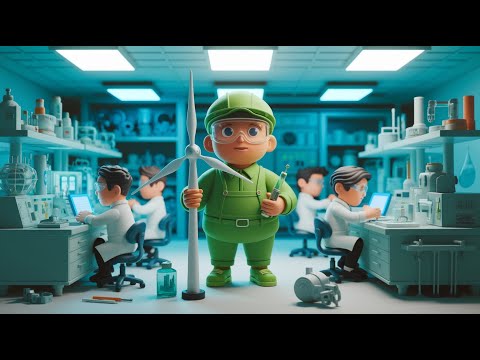
You know what’s wild? Just the other day, I was watching this science show where they turned trash into energy. Like, actual garbage! Makes you think twice about that half-eaten pizza in the fridge, huh?
Green engineering is kind of like that show—it’s all about finding clever ways to use what we have and make it work for us. Honestly, it’s pretty genius! You’ve got people thinking outside the box to come up with solutions that not only help us but also keep our planet happy.
Sustainability isn’t just a buzzword anymore; it’s the way we’ve got to roll if we want a decent future. And believe me, there are some seriously cool innovations happening right now that could change everything. So let’s take a peek into this world where creativity meets eco-friendliness, shall we?
Green Engineering: Pioneering Sustainable Design for a Resilient Future
Green engineering is all about designing processes and products that are not only effective but also kind to our planet. Imagine walking through a park filled with trees and flowers, knowing that everything around you is the result of thoughtful engineering aimed at reducing negative environmental impacts. It’s exciting, right? This approach is becoming crucial as we face increasing challenges like climate change, resource depletion, and pollution.
One of the key principles of green engineering is using materials and processes that minimize waste. Think about how much stuff we throw away daily—plastic wrappers, old electronics, food scraps—the list goes on. So, engineers are working hard to create systems that recycle materials again and again. This gives new life to products instead of sending them to landfills!
Another significant aspect is energy efficiency. You know how frustrating it can be when your home feels like an oven in summer or an icebox in winter? Green engineers tackle this by designing buildings that use less energy for heating and cooling. They employ techniques like natural ventilation or passive solar design, which basically means using sunlight to keep homes warm without cranking up the heat.
Renewable energy sources like solar panels or wind turbines play a huge role in green engineering too. By harnessing energy from nature rather than burning fossil fuels, we reduce greenhouse gas emissions—those nasty gases that contribute to global warming. Imagine a community powered entirely by wind and sunshine! That’s a step towards resilience.
And let’s not forget water conservation! Engineers are innovating ways to reduce water use in industries and households alike. For instance, systems can now collect rainwater or recycle wastewater for irrigation. It’s like giving Mother Nature a helping hand while making sure everyone has enough fresh water.
Now here’s something cool: green engineering often uses biomimicry. This is where engineers look to nature for inspiration—like studying how termites build their mounds to create more efficient heating/cooling systems or mimicking trees’ ability to filter air pollutants while producing oxygen. Nature has been perfecting these solutions for millions of years; we just have to pay attention!
On a personal note, I remember visiting a city famous for its eco-friendly initiatives—every building had greenery climbing up its walls! The air felt fresher, and people looked happier spending time there. That’s what green engineering aims for: creating spaces where people can live harmoniously with nature.
So next time you think about technology and design, remember the power of green engineering in shaping a sustainable future. It’s all about innovation mixed with responsibility—a win-win situation for all living things on this planet!
Exploring Green Innovations: Pioneering Scientific Solutions for a Sustainable Future
Green innovations are popping up everywhere, and they’re super exciting! They represent a whole new wave of ideas and inventions aimed at making our planet a better place. But what does that really mean? Well, let’s break it down.
One major area of focus is green engineering. This involves designing products and systems with the environment in mind. Instead of just making things look good, engineers are thinking about their whole lifespan—from creation to disposal. You know how those plastic bottles we use so often end up in oceans? Yeah, engineers don’t want to see that anymore. They’re looking into using biodegradable materials that break down naturally instead.
Another cool aspect is renewable energy. Remember those big wind turbines you see on the way to the beach? They’re not just for show! Wind power is one of the cleanest sources of energy out there. Solar panels are also a game changer. They convert sunlight directly into electricity, which means less reliance on fossil fuels that harm our planet. It’s like harnessing the sun’s rays and turning them into power for your home!
And speaking of homes, let’s touch on sustainable architecture. Architects today are designing buildings that don’t just look cool but also help save energy and water. For instance, some buildings are made to use natural light as much as possible—think big windows or skylights—reducing the need for electric lights during the day. Plus, they might have green roofs with plants growing on top! They absorb rainwater and insulate the building.
Now, have you heard about urban farming? It’s pretty neat! Imagine growing food right in the heart of a city, like rooftops or vacant lots turned into gardens. This not only gives access to fresh produce but also reduces transportation emissions because food doesn’t have to travel far to reach your plate. It brings back that sense of community too—sharing space and resources with neighbors.
And let’s not forget about waste management innovations. Some companies are developing ways to turn trash into valuable resources. For example, recycling programs now sort out items more efficiently so fewer materials end up in landfills. There’s even technology that can convert organic waste into biogas! This is like creating energy from leftover food scraps—how cool is that?
You might be wondering how all these innovations come together for a sustainable future? Well, it’s all about synergy—combining ideas from different fields can lead us down a path toward sustainability faster than any single effort alone could achieve.
So yeah, green innovations aren’t just buzzwords; they’re real solutions crafted by brilliant minds trying to make our world livable for generations to come. The next time you sip from your reusable bottle or read about solar energy advancements, just think—these small changes add up into something big!
Exploring the Four Key Approaches to Sustainable Development in Scientific Research
Sustainable development in scientific research is all about making sure our future looks bright without messing up the planet we live on, you know? There are four key approaches that researchers are looking into, and they each have a unique twist. Let’s break them down!
1. Systems Thinking
This approach focuses on seeing the bigger picture. Instead of just looking at isolated issues, systems thinking encourages scientists to consider how everything is connected. Picture a spider web—if you touch one part, the whole thing shakes! So when working on sustainable solutions, researchers need to think about environmental, social, and economic factors together.
2. Participatory Research
Now this one’s cool because it involves collaboration with communities. It’s sort of like asking for advice from your friends before making a big decision. Researchers engage with local populations to understand their needs and perspectives. This helps create solutions that are more effective and accepted by those who will use them.
3. Multi-Disciplinary Approaches
Ever heard the saying “two heads are better than one”? Well, multi-disciplinary approaches take this to heart! Scientists from different fields—like engineering, biology, and economics—work together to tackle complex sustainability challenges. For example, engineers might team up with ecologists to design a new kind of building that uses less energy while also benefiting local wildlife.
4. Adaptive Management
Finally, adaptive management is all about flexibility. Imagine you’re trying to bake a cake but realize halfway through that you forgot an ingredient! You’d have to figure out how to adjust your recipe on the fly. Researchers do something similar by continuously monitoring their projects and making tweaks as needed based on real-world outcomes.
So there you have it! These four approaches help drive innovative ideas in green engineering for a sustainable future. Each has its own strengths, and when combined effectively, they can lead us toward smarter solutions for our planet’s challenges.
Incorporating these strategies doesn’t just help us solve problems; it fosters creativity and collaboration across disciplines and communities! And who knows? Maybe your next great idea could be inspired by something unexpected in someone else’s field!
You know, when we think about the future, it’s hard to ignore how much the planet needs our help. Green engineering is like this cool superhero in the world of science and technology. It’s not just about creating stuff; it’s about crafting solutions that are cleaner, smarter, and just better for everyone—like a gift to ourselves and future generations.
I remember a time when I visited this small community that had embraced renewable energy. They had solar panels on almost every roof, wind turbines spinning gracefully in the background, and even a little park powered by biogas from local farms. Walking through that neighborhood felt different. The air was fresher, and there was this sense of hope in the people around me. They were proud of what they were doing—they weren’t waiting for someone else to come up with the answers. They were being innovative.
Green engineering takes all sorts of approaches to tackle big problems like waste management or water purification. Imagine building materials that can absorb CO2 or designing a city layout that encourages walking instead of driving. In many ways, it feels like artists finding new ways to express an old story—only this story is one about balance with nature.
But you know what’s super exciting? It’s how accessible these ideas are becoming! Students in classrooms are working on projects involving vertical gardens or sustainable transport systems as their school projects—seriously! It’s inspiring to see young minds getting involved early on.
Sure, we’re facing some pretty hefty challenges ahead regarding climate change and resource depletion. But innovation isn’t just left for scientists in lab coats anymore. You might find it as simple as adjusting how we think about our daily habits or engaging with local initiatives focused on recycling or urban gardens.
So yeah, green engineering isn’t some distant dream; it’s happening right now around us if we look closely enough! And while it takes collaboration between communities, governments, and companies to make a meaningful impact, every small step contributes to this larger mission of sustainability—a mission worth celebrating together!