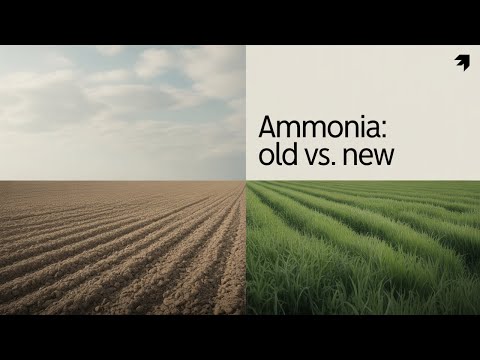
So, picture this: you’re at a barbecue, right? The grill is fired up, the smell of burgers fills the air, and someone suddenly asks, “Hey, what’s the deal with green ammonia?”
You might think they’ve just taken a wrong turn into chemistry class. But hang on! Green ammonia is actually kinda cool.
It’s not just some lab concoction; it’s a game-changer for energy and the planet. Yeah, it sounds techy and all that, but stick with me.
Imagine powering your car or heating your home with something that doesn’t mess up the environment. That’s where green ammonia comes in – it’s got potential!
In a world that needs cleaner energy solutions, this stuff is like a superhero waiting for its moment to shine. So let’s break it down together!
Harnessing Green Ammonia: Innovative Approaches for Sustainable Energy Solutions in Scientific Research
is making waves in the world of sustainable energy. You might be asking, “What’s the big deal with ammonia?” Well, ammonia is traditionally used in fertilizers but can also be a game-changer for clean energy.
To understand it better, let’s break down its potential. Ammonia is made up of nitrogen and hydrogen, and guess what? When produced using renewable energy sources—like wind or solar—it becomes “green.” This process avoids any nasty carbon emissions that regular ammonia production usually throws into the atmosphere.
Now, you might wonder how we can use this green ammonia. Here are a few exciting ways:
- Fuel Cells: can power fuel cells to generate electricity. These cells convert chemical energy into electrical energy without harmful emissions.
- Shipping Fuel: Ships need fuel, and ammonia could step in as a cleaner alternative to heavy fuel oil. It’s been tested in engines already!
- Energy Storage: Think of ammonia as an energy carrier. It can store hydrogen efficiently and release it when needed.
But there are challenges too! For instance, burning ammonia directly in combustion engines produces some NOx emissions (that’s nitrogen oxides), which isn’t great for air quality. Researchers are absolutely working on solutions for that.
Now, let me share a little personal story here. A friend of mine loves gardening and always talks about how vital fertilizers are for healthy plants. One time he learned about green ammonia being produced from solar power and was super excited! He realized that not only could this help his garden thrive but also contribute to a cleaner planet by reducing carbon pollution!
Speaking of research, scientists are actively looking into innovative ways to improve green ammonia production efficiency. They’re experimenting with catalysts which speed up chemical reactions without being consumed in the process. Better catalysts mean less energy is needed to produce it—pretty nifty!
Moreover, researchers are linking green ammonia production with renewable hydrogen generation techniques like electrolysis. This could streamline processes and reduce costs significantly.
In essence, while green ammonia isn’t a silver bullet for all our energy woes, it’s certainly brightening the path towards sustainable solutions—though there’s still work to do.
So next time you hear someone mention green ammonia, you’ll know it’s more than just fertilizer—it’s a key player in our shift to cleaner energies!
Advancements in Green Ammonia Production: Sustainable Practices and Scientific Innovations
Alright, let’s chat about green ammonia. You’ve probably heard a bit about it lately, especially with all the buzz around sustainable energy. So, what’s the deal? Basically, traditional ammonia production isn’t exactly friendly to our planet. It usually involves natural gas, which isn’t great for greenhouse gas emissions. Green ammonia flips that script.
What’s exciting is how we can produce it using renewable energy sources, like solar or wind power. Instead of extracting fossil fuels, we harness these green sources to split water molecules into hydrogen and oxygen through a process called electrolysis. The hydrogen is then combined with nitrogen from the air to make ammonia. Simple, right?
- Electrolysis: This is where the magic starts! Electrolysis splits water into hydrogen and oxygen using electricity. And if that electricity comes from renewables, you’re on a greener path.
- Haber-Bosch Process: Traditionally used for making ammonia but usually heavy on energy use and CO2 emissions. The challenge is finding ways to make this process more efficient when using green hydrogen.
- Catalysts: New materials are being developed that can make reactions happen faster or at lower temperatures. These advancements could significantly lower energy use in producing ammonia.
Now, you might be thinking about logistics. Producing green ammonia is just one part of the puzzle; transporting and utilizing it effectively is crucial too. Ammonia can be stored easily and transported in liquid form, which makes it attractive for use as an energy carrier.
I remember chatting with a friend who works on sustainable farms; they’re super excited about using green ammonia as fertilizer without contributing to CO2 emissions like regular fertilizers do. It’s a win-win! Not only does it help crops grow but also pushes us toward our climate goals.
Another interesting angle? Green ammonia might even play a role in fuel cells. Think about powering ships or even cars using converted ammonia—less carbon footprint and potentially more efficient than current options!
Overall, advancements in green ammonia production are paving the way towards a more sustainable future—not just in agriculture but across various sectors including transportation and energy storage. The scientific innovations here are crucial as we work toward reducing our dependence on fossil fuels while addressing global warming concerns.
The thing is, while we still have some hurdles to jump over—like scaling up production and costs—the potential benefits really shine through when you look at them holistically. We’re not just talking about cleaner fuel; we’re picturing healthier ecosystems and a more sustainable world for future generations.
Understanding Green Ammonia: A Sustainable Innovation in Chemical Science
Green ammonia is making waves in the world of chemistry and energy. It’s one of those innovations that could change the game quite a bit. So, what’s the deal with it? Well, traditional ammonia production has been a bit of an environmental nightmare, mainly because it usually involves fossil fuels that pump out a bunch of CO2 into the atmosphere. But green ammonia flips the script!
Now, let’s break it down a bit. Green ammonia is produced without all those nasty emissions. Instead, it uses renewable energy sources, like solar or wind power, along with water and nitrogen from the air to create ammonia through a process called electrolysis. Basically, you turn electricity into hydrogen and then combine that with nitrogen. Super cool, right?
You might be wondering why ammonia even matters. It’s not just some random chemical; it’s essential for fertilizers that help feed our growing world population. You know how important food is—everyone’s gotta eat! Plus, green ammonia has potential as an energy carrier itself, which means it could assist in transporting energy across long distances without losing much along the way.
Let me throw in a little personal story here: My buddy started farming recently and was super worried about rising costs of traditional fertilizers. When I told him about green ammonia and how it could be produced sustainably with less carbon footprint, his eyes lit up! Seriously! He saw hope not just for his farm but for all those young farmers trying to make a living these days.
Now let’s look at some key points about green ammonia:
- Production Process: Takes renewable energy to create hydrogen via electrolysis.
- Environmental Impact: It significantly reduces greenhouse gas emissions compared to traditional methods.
- Energy Storage: Can store renewable energy and make it transportable.
- Agricultural Use: Provides a sustainable alternative for fertilizers.
- Potential Fuel Source: Could be used in fuel cells for transportation or as a direct combustion fuel.
So where do we go from here? Well, there are still challenges to overcome. The production process needs to get more efficient and cheaper before we see widespread adoption everywhere; not everyone can just build big electrolysis plants overnight! But research is underway—universities are buzzing with projects trying to refine these methods.
In summary, green ammonia stands at an exciting intersection of chemical science and sustainability challenges we face today. With ongoing innovations and investments pouring in, who knows? Maybe in the not-so-distant future, we’ll see farms thriving on sustainable practices thanks to this clever chemical. Just think about how amazing it would be if we could help feed people while also reducing our carbon footprint at the same time!
So, have you heard of green ammonia? It’s this super intriguing concept that’s been buzzing around in the energy space lately. Like, seriously, it could be a game-changer for sustainable energy solutions. You know how we’re all worried about our planet and climate change? Well, this little chemical might just help us breathe a bit easier.
Picture this: ammonia, which we often connect to fertilizers or cleaning products, is also a potential fuel source. Pretty wild, huh? But here’s the kicker: when we say “green” ammonia, we mean it’s produced without carbon emissions. Traditional methods involve fossil fuels and let out a bunch of greenhouse gases. But with green ammonia, you can make it using renewable energy like solar or wind combined with water and nitrogen from the air—like magic!
I remember this one time at a science fair back in school. I stumbled upon a project where kids were creating hydrogen from water using solar panels. It blew my mind! The whole idea of transforming sunlight into something that could impact how we power our lives was so inspiring. Green ammonia takes that motivation to another level because it holds potential for storage and transport of energy too.
Think about it: once it’s made, green ammonia can be used as fuel for ships or even turbines to generate electricity. And the best part? It can help balance those times when renewable sources like solar and wind aren’t producing at full capacity. So if the sun isn’t shining or the wind isn’t blowing, you’ve still got that ammonia ready to go!
But there’s a bit of a catch too—it’s not all rainbows and sunshine just yet. We still need to figure out more efficient ways to produce it at scale and ensure safety in handling it since ammonia can be toxic in high quantities.
So yeah, harnessing green ammonia could really pave the way for cleaner energy solutions while helping us tackle climate challenges head-on. It feels like we’re on the verge of something exciting here! Just imagining what life could look like powered by cleaner resources gives me hope—and who doesn’t need a bit more of that these days?