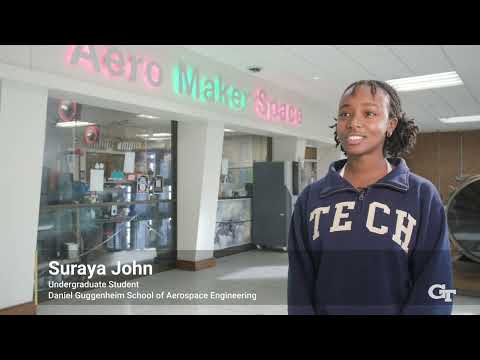
You know that feeling when you watch a rocket launch and just think, “Wow, that’s incredible?” I mean, seriously, who doesn’t get goosebumps?
Imagine all the brains behind those soaring wonders. They’re not just engineers; they’re dreamers too. At GT University, they’re whipping up some pretty wild stuff in aerospace engineering.
From drones that can deliver pizza to rockets exploring Mars, the innovations are nuts! And it’s all happening right here, under one roof.
So grab a comfy seat. Let’s chat about what these bright minds are up to and how they’re pushing the limits of what we thought was possible in the skies!
Exploring the Unique Aspects of Georgia Tech’s Aerospace Engineering Program in the Science of Flight
Georgia Tech’s Aerospace Engineering program is like a treasure chest of opportunities for budding engineers fascinated by the science of flight. Let’s take a closer look at some unique aspects that make it stand out.
First off, this program has a strong emphasis on hands-on experience. You know, it’s one thing to learn about aerodynamics or propulsion in a classroom and another to actually apply that knowledge. Students get to work in cutting-edge labs and even collaborate on real-world projects. Imagine designing and testing an aircraft component! Sounds pretty cool, right?
- Innovative Research Facilities: The facilities here are top-notch. With access to wind tunnels and flight simulators, students can dive deep into their research. Picture yourself watching airflow over a model wing; it’s both exhilarating and enlightening.
- Crossover with Other Fields: Aerospace isn’t just about planes or rockets; it’s also linked with fields like materials science, robotics, and even environmental science. This interdisciplinary approach encourages creativity and broadens perspectives.
- Industry Connections: Georgia Tech has strong ties with major aerospace companies. This means students often find themselves interning or working alongside professionals who’ve been in the game forever. Networking? Check!
The curriculum itself is designed to be both rigorous and flexible. You’ll study core subjects like fluid mechanics while also getting options for electives that spark your interest—say, unmanned aerial vehicles (UAVs) or space exploration techniques.
You might also find it interesting that teamwork plays a big role here. Engineering isn’t just a solo endeavor; you’ll often collaborate with peers on projects. This not only mimics the real-world environment but also helps hone your communication skills, which are super important when you’re working on big aerospace projects.
Student organizations like the AIAA (American Institute of Aeronautics and Astronautics) chapter bring together likeminded individuals who share your passion for the skies. Through competitions and events, you can push your limits while having fun!
Beyond academics, Georgia Tech encourages involvement in outreach programs that promote aerospace education among younger students. It’s rewarding to inspire future engineers by sharing what you know about flight science.
This blend of practical experience, research opportunities, industry networks, flexibility in learning paths, teamwork emphasis, and engagement with the community makes Georgia Tech’s Aerospace Engineering program truly unique. So if you’re passionate about flight and innovation in engineering—this place could be where you want to take off from!
Top College for Aerospace Engineering: Discover the Leading Institution in Science Education
Aerospace engineering is like the magic wand of modern transportation. It’s all about designing and building aircraft and spacecraft. In this jampacked world of science education, there’s a lot of talk about which college really stands out in this field. One institution that often pops up is GT University.
Cutting-edge Research
Innovation is key in aerospace. At GT University, research plays a massive role. Students dive into real-world projects, working on everything from drone technology to space exploration systems. You know, it’s not just textbooks; you get to see, firsthand, the cool stuff happening in the aerospace realm.
Hands-on Experience
A big part of learning at GT is getting your hands dirty—figuratively speaking! The university boasts state-of-the-art facilities like wind tunnels and simulation labs. Imagine sitting there, watching your designs come to life! It’s not just theory; it’s about practical application, which makes understanding complex concepts way easier.
Strong Industry Connections
Another plus? GT has solid ties with major players in the aerospace industry. Companies often partner with the university for projects or internships. This means when you study here, you can meet potential employers before graduation! And having that foot in the door can be super helpful when you’re looking for a job.
Diverse Programs
If you’re curious about different aspects of aerospace engineering, GT offers various programs to match your interests—like propulsion systems or avionics. This diversity allows you to tailor your education according to what fires you up most!
Now let me tell you a little story! A friend of mine went to GT University for aerospace engineering—totally unsure what exactly she wanted to do at first. But after getting involved in some exciting hands-on projects and internships through school partnerships, she found her passion for satellite technology! Fast forward a few years later and she’s now working on launching satellites into orbit. How cool is that?
So yeah, if you’re considering studying aerospace engineering at a top-notch school, look into what institutions like GT University have going on—not just their rankings but what they actually offer students who are ready to shape the future of flight! Whether it’s research opportunities or connections in the industry, every bit counts toward making an impact in such an exciting field.
Innovations and Inventions by Aerospace Engineers: Advancements in Aerospace Science
You know, aerospace engineering is such a fascinating field. I mean, it’s like the perfect blend of creativity and precision. So many innovations have come from it, impacting not just space travel but also our everyday lives on Earth.
Aerospace engineers are like the wizards of the skies. They’re not only designing aircraft but also creating cutting-edge technology that changes how we think about getting around. One cool thing to mention is fuel efficiency. Engineers are always trying to make planes lighter and more fuel-efficient, leading to innovations like **composite materials**. These materials are super strong yet lightweight, which helps reduce fuel consumption and emissions. Isn’t that awesome?
Another big deal in aerospace is autonomous flight. Think about self-driving cars; well, they’re working on similar tech for aircraft! Imagine being able to fly without a pilot managing every tiny detail—all guided by advanced algorithms. It’s kind of mind-blowing when you consider how much safer this could make air travel in the future.
And then there’s satellite technology. You probably use GPS all the time without even thinking about it. Many advancements came directly from aerospace innovations. Engineers design satellites for communication, weather forecasting, and even environmental monitoring! It’s wild to think that when it rains or when you get lost driving, there’s a whole system up in space making life easier for you down here.
Now let’s talk about space exploration techniques. With missions to Mars and beyond on the horizon, innovations like
, which can save tons of money by flying multiple times. Or how about those super fancy rovers? They’re equipped with high-tech sensors and cameras that help scientists learn about other planets. Every time one of these bad boys lands successfully on Mars or collects data back home, it’s because some brilliant engineers thought outside the box!
One emotional story worth sharing is how a group of students at GT University designed an experimental drone that can search for survivors after natural disasters. This was not just some academic exercise; they were genuinely trying to make a difference in people’s lives during tough times. Their hard work highlighted how much potential lies within aerospace engineering—not just for flying but for real-world impact.
Finally, let’s touch on sustainable aviation technologies. Yeah, people are getting serious about reducing carbon footprints! Aerospace engineers are exploring electric propulsion systems that could revolutionize air travel as we know it—less pollution and quieter flights? Sounds like a win-win situation!
So yeah, aerospace engineering isn’t just about making things fly; it’s reshaping our world in profound ways—often when you least expect it. Honestly, doesn’t it feel good to know there are creative minds out there working hard to tackle global challenges?
You know, when you think about aerospace engineering, it’s easy to get lost in the technical jargon and complex math. But let’s take a moment to appreciate how cool it is that universities like GT University are pushing the boundaries of what we can do in the skies. I mean, just imagine!
A few years back, I was at an airshow with my friends, and we got to watch these jaw-dropping aerobatic performances. It hit me then—how much brainpower and creativity go into designing those machines? Innovations in aerospace engineering aren’t just about creating new planes or rockets; they’re about connecting people, exploring space, and even tackling climate change.
At GT University, students and researchers are really thinking outside the box. They’re working on everything from eco-friendly propulsion systems to drones that can aid in disaster relief. And man, isn’t it inspiring to see young minds take on such real-world challenges? I remember a project where students built a drone equipped with sensors that could gather data on air quality. That kind of stuff can literally help improve our lives.
And there’s so much more! The advancements in materials science mean we can build lighter yet stronger structures for aircraft. This not only enhances fuel efficiency but also makes flying safer. Can you imagine? Less weight means less fuel burned and lower emissions! It’s like a win-win situation for our planet.
But beyond just technology, there’s this sense of community as well. Collaboration among students from different disciplines—it’s pretty magical. Engineers teaming up with computer scientists to create smarter navigation systems or even working alongside environmentalists to find sustainable solutions.
So yeah, while aerospace engineering at places like GT University might sound super technical, it’s really all about dreaming big and actually making those dreams come true. And who knows? Maybe one of those students right now is the next big name in space travel or aviation innovation! The future is bright up there!