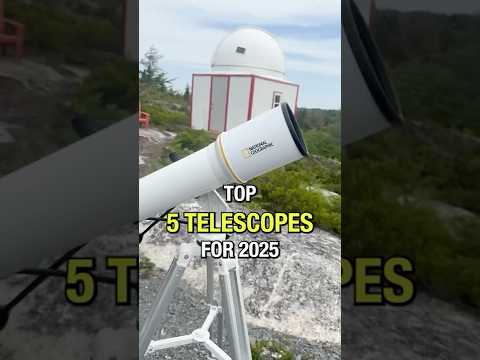
Did you know that Galileo used a telescope back in the day and, like, changed the way we see the universe? Crazy, right? Fast forward to today, and we’ve got handheld telescopes that fit in your backpack. Seriously!
Imagine being able to whip one out during a camping trip or a random backyard hangout. The stars are just hanging out up there, waiting for you to take a closer look.
But here’s the kicker: these little gadgets aren’t just for kids or stargazing newbies anymore. They’re surprisingly sophisticated!
So grab your favorite snack and let’s explore how handheld telescopes are taking stargazing to a whole new level!
Choosing the Best Telescope for Stargazing: A Guide to Optimal Astronomy Equipment
So, you’re thinking about getting a telescope for some stargazing? That’s awesome! The night sky has so much to offer. It can feel a bit overwhelming with all the options out there, but don’t sweat it. It’s all about finding the right fit for you. Let’s break down the essentials.
First off, handheld telescopes are becoming super popular. They’re more accessible than ever and great for beginners. You don’t need a degree in astrophysics to enjoy the cosmos! These little guys pack a punch without taking up too much space.
Now, when you’re choosing a telescope, one of the main things to consider is magnification. You might think more magnification is better, but that’s not always true. A high-powered telescope can make objects look bigger but also dimmer and harder to focus on. It’s like trying to take a selfie with your phone from a mile away—everything gets blurry!
Next on the list is aperture. This basically means how big the lens or mirror is. A larger aperture allows more light in, which is crucial for seeing those distant stars and galaxies clearly. So if you’re serious about seeing detail, look for something with at least 70mm in diameter.
Then there’s type of telescope. There are three main kinds: refractors, reflectors, and compound telescopes.
- Refractors: These use lenses and are generally easy to use. If you want something portable and simple, this could be your jam.
- Reflectors: These use mirrors instead of lenses and tend to offer better value when it comes to aperture size. They can be bulkier though!
- Compound: A mix of both lenses and mirrors, they’re versatile but often pricier.
You should also think about portability. If you plan on taking your scope on camping trips or just want something easy to set up in your backyard, go for something lightweight that folds up nicely.
Oh! And let’s not forget about binoculars! Seriously! Sometimes you just need something handy when you’re out camping or at an event where telescopes aren’t allowed. Small handheld scopes can give you decent views of planets too!
Lastly, consider any extra gear you’ll need—like batteries, smartphone adapters for those cool astrophotography shots (yeah baby!), or even star charts to navigate the night sky like a pro.
So remember—the best telescope is one that fits your needs and makes stargazing enjoyable for you! Take your time exploring what’s out there; after all, no rush! Just imagine lying back under those twinkling stars while discovering new worlds—it doesn’t get much better than that!
Exploring the Night Sky: Seeing Planets with a Handheld Telescope
Exploring the night sky can feel like diving into a vast ocean of mystery. Ever looked up and thought, “Wow, what’s out there?” Well, grab your handheld telescope because you’re about to embark on an amazing journey!
A handheld telescope is pretty much your new best friend when it comes to stargazing. These compact devices are lightweight and portable, making them easy to carry around. You can take them to your backyard, a park, or even a dark spot away from city lights. So cool, right?
Now, let’s talk about the planets. The solar system is home to eight planets: Mercury, Venus, Earth, Mars, Jupiter, Saturn, Uranus, and Neptune. With the right handheld telescope on a clear night, you can see some of them quite clearly!
For instance:
- Jupiter: This giant planet is often visible with just your eyes! But wait until you point your telescope at it. You might see its four largest moons—Io, Europa, Ganymede, and Callisto—like little stars lined up next to the planet.
- Saturn: And oh man! Seeing Saturn’s rings through a small telescope? That’ll blow your mind! Those rings are made up of ice and rock particles that are just stunning.
- Mars: On some nights when Mars is close to Earth, you can see its reddish hue clearly. With a bit of luck and clarity in the atmosphere—you might even spot some surface details!
But here’s the thing: not every night will be perfect for stargazing. You want clear skies without clouds or light pollution from nearby cities messing things up. On those nights when conditions are right? It feels like magic.
I remember my first experience with a handheld telescope—it was during a camping trip with friends. We pointed it at Jupiter and gasped when we saw those tiny moons dancing around it! It felt like we were part of something much bigger than ourselves.
Using a handheld telescope isn’t just about pointing and looking; there’s some technique involved too. Here are a few tips:
- Stabilize: Holding your telescope steady is key! You can rest it against something solid if possible.
- Aim properly: Start by locating an object using lower magnification before switching to higher magnification for more detail.
- Add patience: Sometimes it takes time for your eyes to adjust to the darkness; give yourself at least 15 minutes once you’re outside!
In summary? Using handheld telescopes opens doors for everyone interested in astronomy without needing massive setups or complicated equipment. It brings you closer to that expansive universe above us.
So next time you find yourself outside at night? Take that handheld telescope along for the ride—you never know what wonders await you among the stars!
Exploring the Effectiveness of Handheld Telescopes in Scientific Observation
So, handheld telescopes are like the cool kids in the world of stargazing, right? They’ve been around for a while, but lately, there’s been this buzz about them being super effective for scientific observation. Let’s break down what makes these little devices so interesting.
First off, handheld telescopes are designed to be portable and user-friendly. You don’t need to be a rocket scientist to use one! Just grab it, point it at the sky, and boom—you’re ready to explore. But how effective are they really when it comes to serious scientific observation?
One major factor is magnification. These telescopes typically allow you to view objects many times closer than you could with the naked eye. For instance, when you’re aiming at Jupiter on a good night, you might see its bands and even some of its moons dancing around it. That’s pretty incredible!
Next up is light-gathering ability. Most handheld telescopes have an aperture that determines how much light they can capture. The bigger the aperture, the better you can see fainter objects like distant galaxies or nebulae. While they may not compete with larger models that are set up in observatories, many handheld options still do a decent job at picking up those faint celestial gems.
Also worth mentioning is stability. Holding a telescope steady gives you clearer images. A shaky hand can turn that beautiful view into a blurry mess. Some of these devices come with built-in stabilization or options for attachments to tripods—which helps loads in keeping things steady while you’re taking in the sights.
And let’s not forget about ease of use. With user-friendly interfaces and often included apps that help track celestial bodies, even beginners can feel like pros pretty quickly! Have you ever found yourself trying to explain something complicated while looking through a regular telescope? It can get frustrating fast. But handheld ones typically come with features that make finding objects way easier.
If we talk about accessibility—the beauty of these telescopes lies in their affordability and ease of transport. You know how sometimes stargazing means dragging bulky gear out into the wild? With handheld versions, you’re free as a bird! You can toss one in your backpack and head out on an impromptu adventure whenever the mood strikes.
Now think about scientific collaboration. Amateurs using these telescopes contribute valuable data by observing things like meteor showers or eclipses and reporting their findings online. Citizen science projects often welcome input from everyday stargazers who are passionate about astronomy but don’t have access to large observatories.
So yeah! While there might be limitations compared to big-telescopes-on-mountains scenarios, handheld telescopes bring along their own kind of magic—making science fun and inviting for everyone wanting to peek into our universe.
In short: they’re small but mighty tools—perfectly capable of enhancing your stargazing experience while also offering meaningful contributions to scientific observations. Who knew looking at stars could be so accessible? Now that’s something worth getting excited about!
You know, there’s something kind of magical about looking up at the stars. I remember the first time I looked through a telescope—a family trip to a dark spot away from city lights. My dad set up this old, rickety telescope he bought at a garage sale, and I was just awestruck. I mean, seeing Saturn’s rings for the first time? Wow! It felt like peeking into another world.
Fast forward to today, and handheld telescopes are seriously changing the game in stargazing. These little gadgets pack some serious punch, allowing you to explore the night sky with ease. You can just grab one and head outside—no need for bulky equipment or complicated setups. It’s like they’re designed for everyone now, not just the hardcore astronomers.
What really blows my mind is how technology has made stargazing so accessible. Many of these telescopes come with apps that help track constellations and celestial events right from your smartphone. So you don’t have to spend hours trying to figure out where Mars is; it’ll just point it out for you! How cool is that?
I think this shift encourages more people to engage with science in a hands-on way. You can grab your friends or family, head out into the backyard, and connect over something as ancient as stargazing but with modern tech helping light the way—or should I say darken it?
But it’s not just about convenience; it also changes how we see ourselves in relation to the universe. It’s humbling when you start to understand how vast space really is—from distant galaxies right down to our own moon’s craters all visible through these portable scopes. You get wrapped up in that wonder; it’s like being part of something bigger than yourself.
So yeah, handheld telescopes are more than just tools—they’re gateways to curiosity and discovery for everyone. They invite you in with open arms and say, “Hey! Come explore!” And who doesn’t want a little bit of that magic back in their life?