So, picture this: you’re out enjoying a sunny day, maybe at the park or hanging by the beach. Suddenly, a cloud of mosquitoes appears like a scene from a horror movie. Crazy, right? But here’s the kicker: those pesky bugs might actually tell us something about our changing environment and health.
You see, science is doing this funky dance between our health and environmental change. It’s not just about the air we breathe or how hot it’s getting. It’s about how all these changes impact you—yeah, you!—and everyone around you.
Think about it! The foods we eat, the water we drink, even that weird rash that popped up after your hiking trip can be linked to what’s happening in nature. Isn’t that wild? So let’s unpack this whole thing together and see what these connections really mean for us today.
Exploring the Intersection of Environmental Science and Public Health: Impacts and Insights
You know, when you think about environmental science and public health, they might seem like two totally separate worlds. But surprise! They’re actually super interconnected! The health of our planet has a direct impact on our own health. Let’s break it down, shall we?
First off, let’s talk about air quality. Ever been stuck in traffic and felt that thick smog? Yuck, right? Well, that stuff isn’t just annoying; it can be really harmful. Poor air quality contributes to respiratory diseases like asthma and bronchitis. It’s not just the smog itself; even fine particles floating around can get into your lungs and cause chaos! So, clean air isn’t just a luxury; it’s a necessity for good health.
Then there’s water quality. Oh man, this one hits home. Imagine your favorite swimming hole or that beautiful lake you love visiting. If pollutants seep into those waters from agricultural runoff or industrial waste, it can lead to serious health issues like gastrointestinal infections or even neurological disorders in some cases. Contaminated water is a biggie when you’re talking about public safety.
- Climate change: This is where things get really interesting. Have you noticed how certain diseases are spreading more now than before? That’s partly because of climate change! Warmer temperatures can make regions hospitable for diseases like malaria or Lyme disease that used to be limited to specific areas.
- Food security: Think about it: if crops are failing due to changing climates or pests moving into new territories because of the heat, food scarcity can become a real issue. Less food means malnutrition and all the associated health problems!
- Mental health: This one’s often overlooked but super important! Environmental disasters—like floods or wildfires—can lead to anxiety or PTSD for those affected. The connection between your surroundings and mental well-being is huge!
You might wonder how all this affects public policy and community planning. Honestly, it’s crucial! Decision-makers need to consider these links when crafting laws related to environmental protection and public health initiatives. For example, if cities focus on creating more green spaces instead of concrete jungles, it could improve mental well-being while also cleaning the air!
A little story comes to mind here: I remember reading about a small town that transformed an abandoned lot into a community garden. They not only beautified the area but boosted people’s mental health by bringing them together outdoors while also providing fresh veggies for families in need! Seriously heartwarming stuff!
The thing is—addressing these overlaps can lead us toward healthier futures for both people and our planet. By understanding how intertwined our lives are with nature, we can make choices today that’ll benefit everyone down the line.
So yeah, as you go about your day-to-day life, think about how important it is to pay attention not just to your personal health but also to the environment around you! Small changes add up!
Exploring the Nexus of Climate Change and Health: Impacts and Solutions in Scientific Research
So, let’s talk about this wild intersection of climate change and health. It’s like a rollercoaster ride that affects all of us, whether we like it or not. Picture this: trees are wilting, temperatures are rising, and suddenly health issues that seemed far-off become a reality. You see, climate change isn’t just an environmental problem; it messes with our bodies too.
You might be wondering how exactly climate change impacts our health. Well, there are a bunch of ways this happens:
- Air Quality: Increased pollution from wildfires and industry can lead to respiratory problems like asthma. Imagine living in a city where you can’t catch your breath because the air feels heavy.
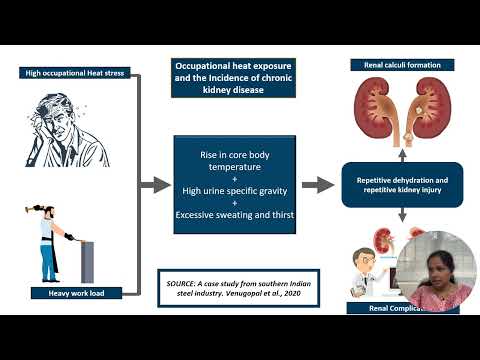
- Heat-Related Illnesses: As temperatures rise, so does the risk for heat stroke and dehydration. Remember that one summer when it felt like stepping into an oven? That wasn’t just uncomfortable; heat waves can be lethal!
- Disease Spread: Some diseases like Zika or Lyme disease thrive in warmer climates. It’s like a buffet for ticks and mosquitoes! They’re spreading further north where people weren’t used to them before.
- Nutrition: Changes in weather patterns affect crops. If they fail, more people face food insecurity—leading to malnutrition, especially in vulnerable populations.
You feel me? The thing is, these experiences aren’t scattered across the globe; they’re happening right on our doorsteps. Just think back to that storm last year that knocked out power for days—how many folks struggled without food or medicine?
But here’s where it gets interesting! Scientists are not just throwing their hands up in despair. Oh no! They’re busy figuring out how to tackle these problems head-on.
- Researching Solutions: There’s a lot of research into sustainable farming practices and renewable energy sources so we can cut down on emissions.
- The Role of Community Health Workers: Communities are getting creative and training local health workers to respond better to climate-related health issues.
- Mental Health Awareness: Climate anxiety is real, folks! Studies show rising concern about the environment affects mental well-being. So researchers are also looking into support systems for emotional resilience.
This whole dance between climate change and health is ongoing, and it calls out for teamwork among scientists, policymakers, healthcare professionals, and you—yes you! It’ll take collective action to turn things around.
You know what? This isn’t just some dry lecture about numbers or theories; it’s about real lives impacted by changes we see every day. Imagine telling your kids how we turned the tide against these looming threats together. Now that’s something worth striving for!
So yeah, as we chat about all this serious stuff—remember: every small effort counts towards making a healthier planet for ourselves and future generations!
Exploring Environmental Health: The Interconnection Between Human Well-being and Environmental Factors
It’s pretty wild how our health is linked to the environment, right? When you think about it, everything around us—air we breathe, water we drink, and even the food we eat—plays a big role in how we feel. Let’s break this down a bit.
Air Quality is a huge factor. If you’re living in a place with smog or pollution, it can mess with your lungs and heart. Ever notice how when the air’s clear, you feel more alive? That’s not just in your head! According to research, poor air quality can lead to respiratory diseases and even affect your brain function. Imagine trying to think straight when you’re gasping for air!
Then there’s water quality. Contaminated water can lead to all sorts of health problems. Things like bacteria and chemicals getting into our drinking water can cause everything from stomach issues to long-term health effects. Remember that time when there was a big news story about lead in drinking water? It was alarming because that kind of contamination impacts kids’ development.
And it’s not just about what we consume directly; it’s also about food sources. The pesticides used on crops can find their way into our meals. If you’re munching on fruits and veggies treated with harmful chemicals, it’s not great for your body. There’s been quite a bit of talk about organic farming as an alternative because it tends to be safer for both humans and the environment.
But wait, there’s more! Climate change is shaking things up too—literally! Changes in weather patterns can increase the spread of diseases like malaria or dengue fever. Warmer temperatures mean mosquitoes might hang around longer or expand into new areas where people aren’t used to dealing with them.
Mental Health is another part of this puzzle. Nature has such a calming effect on us, right? Studies show that spending time outside can boost your mood and reduce anxiety levels. In urban areas where green spaces are limited, people often report feeling stressed or overwhelmed.
It’s all connected—like a giant web! Our health directly interacts with environmental factors in ways that often go unnoticed until something goes wrong. So basically, keeping our planet healthy translates into healthier lives for everyone.
In summary:
- Poor air quality affects respiratory and heart health.
- Contaminated water leads to various health issues.
- Pesticides on food impact our health.
- Climate change creates new disease risks.
- Nature helps mental well-being.
We’ve got some serious work ahead if we want to make sure both people and the planet thrive together! It starts with recognizing these connections and pushing for healthier practices all around us.
You know, it’s pretty wild to think about how health and the environment are really tied together. Like, when you stop and look at it, your well-being isn’t just about what you eat or how much you exercise; it’s also influenced by the air around you, the water you drink, and even the climate. I mean, we often take for granted that fresh air is just there for us. But what if that air gets polluted or, say, our weather patterns change so much that it affects agriculture? That’s a real concern.
I remember taking a hike once in a beautiful national park—lush trees everywhere and birds singing. But then I glanced at a nearby river and saw plastic bottles floating around. That hit me hard! It was such a stark reminder of how environmental changes directly impact health. Polluted water can lead to all sorts of diseases. And that’s not even touching on things like heatwaves caused by climate change which can seriously endanger those who are vulnerable.
The connection is so deep because environmental issues don’t respect borders or social classes; it’s like they cast a wide net over everyone. And with scientific advancements, we’ve started understanding these links better. Researchers are diving into data to show us how rising temperatures could lead to increased allergies or respiratory issues because of the pollen season extending longer than before.
But here’s something hopeful: this intersection also sparks innovation! Communities are becoming more aware of clean energy sources or sustainable farming practices that can help us tackle these challenges head-on while promoting better health outcomes too.
When we talk about science in this context, it feels like we’re in this crucial moment where our choices really matter—not just for us but for future generations as well. It’s kind of daunting but also empowering. You start realizing everything is interconnected and every small change can contribute to something bigger—a healthier planet equating to a healthier you!