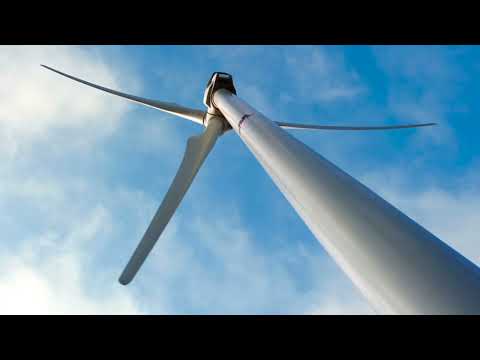
So, picture this: you’re standing on a hill, feeling the wind whip through your hair. Suddenly, you spot one of those majestic wind turbines spinning away, looking all high-tech and cool. It’s like a giant fan that doesn’t just cool you off—it actually helps save the planet. How awesome is that?
But here’s the kicker: not all those turbines are created equal. Some are working harder than others, and there’s a bunch of quirky science behind it all. I mean, who knew there were so many ways to make these things more efficient?
It’s kinda mind-blowing when you think about it. Like, with a little innovation and some smart thinking, we can make these wind giants even better at harnessing energy from Mother Nature. So what’s the deal with making them spin faster or capture more wind? Let’s check it out together!
Enhancing Wind Turbine Efficiency: Innovative Strategies and Scientific Insights
Wind turbines, those massive machines gracefully spinning in the breeze, are a key player in the renewable energy game. But, like any technology, there’s always room for improvement. Enhancing wind turbine efficiency is crucial for maximizing energy generation and reducing costs. So, what’s cooking in the world of innovative strategies?
First off, let’s talk about **design improvements**. Evolution is key here! Engineers are experimenting with different blade shapes and materials. For instance, blades made from lighter composites can capture more wind while using less energy to turn. That means they can generate more electricity without needing a stronger gust!
Then there’s the idea of adaptive control systems. These nifty tools adjust the pitch of the blades based on wind conditions. Imagine if your favorite roller coaster could change its speed mid-ride depending on how many people were onboard—that’s similar. By optimizing blade angles in real-time, turbines can harness more energy when the wind is just right.
Now let’s not forget about **turbine placement**. You know how sometimes it’s windy at one spot but not another? Wind farms are being designed with this concept in mind! By strategically placing turbines where winds are consistently strong, scientists can increase overall output significantly.
Another exciting innovation is **vertical axis wind turbines (VAWTs)**. Unlike traditional horizontal turbines that need to face directly into the wind, VAWTs can capture gusts from any direction. You might think they look a bit funky—kind of like giant eggbeaters—but their ability to operate effectively even in turbulent winds makes them an eye-catcher for potential use in urban areas or other challenging locations.
And speaking of tough environments; **hybrid systems** are popping up too! Combining solar panels with wind turbines creates a diverse energy mix that can produce power day and night (and yes, even when it’s cloudy). It’s sort of like hitting two birds with one stone—growing renewable resources while cutting down reliance on fossil fuels.
Lastly, we can’t ignore data analytics. More and more turbine operators are harnessing big data to monitor performance and predict maintenance needs like never before. Sensors collect all kinds of information—wind speed, vibrations—and AI algorithms analyze it to minimize downtime and keep everything spinning smoothly.
In short: there’s a lot happening under that swirling turbine blade! From design tweaks to smart technology integration, these advancements have huge potential to boost efficiency and make wind power an even bigger player in our quest for clean energy solutions. So next time you see those giants turning gently against the skyline, remember—they’re likely getting smarter by the day!
Revolutionizing Energy: Key Technological Advancements Enhancing Turbine Efficiency in Science
There’s a lot happening in the world of wind energy, and it’s super exciting! You know those giant wind turbines you see out in the fields or off the coast? Well, they’re getting a serious upgrade. We’re talking about some pretty nifty advancements that make them more efficient and better for the planet.
First off, let’s talk about blade design. The shape and size of turbine blades play a massive role in how much energy they can capture from the wind. Engineers are experimenting with longer blades that can sweep more air. Think about it like this: if you have a bigger scoop, you can collect more ice cream, right? Similarly, bigger blades mean more energy harvested.
- Materials Matter: They’re using lighter and stronger materials like carbon fiber that help boost performance without adding too much weight.
- Shape Shifters: Some designs even change shape during winds of varying speeds to optimize energy capture.
Another fascinating leap comes from smart technology. Turbines now come equipped with sensors and software that monitor wind conditions in real-time. Imagine having an assistant who always tells you when it’s time to take your umbrella or wear sunglasses based on changing weather! These systems adjust the angle of the blades instantly for maximum efficiency.
- Predictive Analytics: This tech predicts wind patterns and adjusts accordingly, ensuring turbines are always working at their best.
- Remote Monitoring: Engineers can keep an eye on turbine performance by connecting them to a central system—kind of like how we check our social media on our phones!
And then there’s the **gearbox** situation. Traditional gearboxes have always been something of a weak spot because they’re heavy and prone to wear out over time. Newer designs focus on direct drive systems that eliminate gears altogether. This not only reduces maintenance but also makes turbines much quieter!
- Simplicity Wins: Less complexity means fewer breakdowns, which is great news for efficiency.
- Lesser Noise Pollution: A quieter turbine is not just better for nearby communities; it also leads to reduced environmental impact.
Additionally, we can’t overlook battery storage systems. Wind doesn’t blow consistently—duh! So having good storage options means any excess energy generated during peak winds doesn’t go to waste. These batteries can store energy for use when winds die down.
- Pumped Hydro Storage: A method where excess energy pumps water uphill into reservoirs and releases it as needed.
- Lithium-ion Batteries: These are becoming cheaper and more efficient for storing wind power directly.
Lastly, there’s been a big push towards sustainability in manufacturing. With environmental concerns growing every day, companies are looking at how turbines are made. It’s not just about being efficient once installed; it’s also about creating them with minimal environmental impact.
So picture this: Every time you see those giant turbines spinning gracefully against the horizon, think about all these incredible tech evolutions behind them! They’re not just turning breeze into electricity; they’re stepping up to make our future greener one revolution at a time. Isn’t that something?
Enhancing Wind Turbine Efficiency: Key Scientific Factors and Innovations
You know how wind turbines are popping up all over the place? They’re kind of like the modern-day windmills, but with a serious twist—they’re all about generating energy from wind. But just like any tech, they have their quirks and can always be improved. Let’s talk about how scientists are working their magic to make these giants even more efficient.
First off, let’s chat about blade design. The blades of a turbine are super important because they catch the wind. Engineers are experimenting with different shapes and materials to create blades that can capture more wind energy. For instance, longer blades can reach higher windspeeds and have been found to improve overall performance. So yeah, better blade design means more power from less wind!
Then there’s control systems. These are like the brains of the operation. Modern turbines use sensors and smart algorithms to adjust their angle based on wind speed and direction. It’s kind of like when you’re driving and you adjust your steering based on the road conditions. By getting this right, turbines can maximize energy output while reducing wear and tear.
- Turbulence modeling is another cool factor! Understanding how air flows around the turbine is key to optimizing performance. Scientists use computer simulations to predict turbulent airflow patterns. This way, they can redesign turbines for smoother operations in tricky conditions.
- Materials science plays a huge role too! Using lightweight yet durable materials helps in making longer blades without extra weight slowing things down. Think about it: lighter blades mean easier spinning when the winds blow.
- Twin rotor designs? Yep, those are an innovation! Some new turbines feature two rotors on one tower. This setup can help capture more energy from turbulent winds than traditional single-rotor designs.
- Lastly, there’s energy storage solutions. Improving efficiency isn’t just about capturing energy; it’s also about storing it for when demand peaks or when the wind stops blowing. Innovations in battery technology or even hydro storage systems help tackle this issue effectively.
A little while back, I read about a community that installed a new type of turbine designed by local engineers who focused on these advancements. They noticed a substantial boost in efficiency—like 20%—from their old models after making changes based on new research. That’s not just numbers; that’s real impact on local power generation and emissions!
So basically, enhancing wind turbine efficiency is all about clever engineering and scientific breakthroughs that focus on maximizing every gust of air that comes along. If we want cleaner energy and sustainable solutions for our planet’s future, we’ll keep seeing these innovations grow in importance.
So, let’s chat about wind turbines, shall we? You know those giant structures that look like they’re dancing in the wind? They’re pretty cool, right? But there’s so much more going on than just spinning blades. Seriously, scientists and engineers are always racking their brains to find ways to make these energy giants even better.
I remember visiting a wind farm once. The sound of the blades whooshing through the air was oddly calming. Standing beneath one, you could feel the sheer power it was harnessing from nature. It got me thinking: if these things can already capture wind energy so well, what more could we do with some creative thinking?
One way to improve their efficiency is by playing with blade design. Yeah, that’s right! Just like how your grandma might tweak her famous cookie recipe—adding a pinch of this or a dash of that—scientists are experimenting with different shapes and materials for turbine blades. You wanna make them longer or curve them differently? Done! This can help catch more wind and convert it into electricity.
Then there’s the tech side of things. Imagine using sensors and artificial intelligence to guide turbines on when and how to adjust themselves based on real-time weather data. It’s kind of like having a smart thermostat at home but for giant spinning machines! They can optimize their angle to catch the most gust, which means more power generated over time.
And get this: some researchers are even looking into hybrid systems that combine wind turbines with solar panels. Can you envision a setup where both are working together? It’s like teamwork at its finest in renewable energy! When it’s sunny, you get solar energy; when it’s windy, well, you know what happens next.
But while all this sounds awesome on paper (or screens), I find myself wondering about the balance between innovation and impact on wildlife and landscapes. Conversations about increasing efficiency must also include those ethical discussions—like ensuring birds aren’t getting caught in turbine blades or considering how many turbines we actually need to keep our beautiful open spaces intact.
In the end, enhancing wind turbine efficiency isn’t just about geeky science; it feels almost poetic in a way—the dance between nature and technology. With every new idea or tweak we come up with, we’re getting closer to greener energy solutions that can make a real difference for our planet’s health. And I think that’s something worthy of our curiosity—and effort!