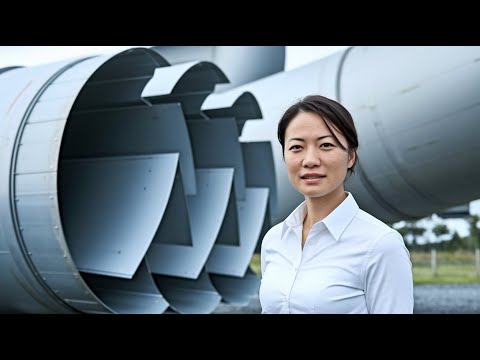
So, picture this: you’re at the beach, right? The wind’s whipping through your hair, tossing sand everywhere. You might not know it, but that same wind has some pretty cool potential. Yup, it’s like nature’s turbocharged engine!
Now, let’s talk about wind generator blades. Seriously, these things have become amazing over the years. They used to look like giant airplane wings but now? They’re like a design masterpiece. It’s like watching fashion evolve – one minute it’s all flared jeans and suddenly it’s sleek and stylish.
Why should you care? Well, because those blades are responsible for turning that breezy goodness into electricity! And trust me, there’s a lot of brainy innovation behind them that you wouldn’t believe.
Stick around; I’ve got some wild stories about how engineers are making these blades more efficient.
Impact of Blade Design on Efficiency: A Scientific Analysis
When we talk about wind energy, one of the first things that pops into mind is the giant wind turbines spinning in the breeze, right? But have you ever thought about the blades? Yeah, those long, sleek structures are super important. Their design actually plays a massive role in how efficiently a wind turbine can convert wind into energy.
Blade shape is crucial. You see, blades aren’t just straight sticks; they’re curved and sometimes twisted. This curvature helps catch the wind better. Think of it like how a bird catches air to fly. A more aerodynamic blade can slice through the air with less turbulence, which means less drag and more lift—kind of like how an airplane wing works.
Then there’s length. Longer blades generally capture more wind, which sounds simple enough. But wait! There’s a balance to strike because if they’re too long, they risk structural failures or might not function well in high winds. It’s like trying to balance on a seesaw; if one side is too heavy or long, it gets tricky!
Another point to consider is the materials used. Modern blades are often made from composite materials like fiberglass or carbon fiber. These materials are strong yet lightweight, reducing stress on the structure while allowing for those longer designs we talked about earlier. You could almost think of them as superhero gear for blades!
And let’s not forget about angle of attack. That’s the angle between the blade and oncoming wind. Adjusting this angle can either optimize or hinder performance depending on conditions. It’s similar to how you might tilt your umbrella against the wind—you want it to work with you instead of against you.
Now onto some serious numbers—efficiency ratings! A well-designed blade can push efficiency ratings beyond 50%, meaning half or more of that kinetic energy from the wind gets turned into electricity! Now that’s pretty impressive when you think about it.
Interestingly enough, new designs keep popping up thanks to innovation and technology. Researchers are now experimenting with flexible blades that can bend in response to different winds. There are even concepts involving self-healing materials (yeah, like something out of a sci-fi movie). Imagine if your turbine could fix itself after being battered by storms! Sounds far-fetched but tech keeps surprising us.
So let’s wrap this up: blade design impacts everything from how much energy we harness from winds to durability and cost-effectiveness over time. It’s complex yet fascinating how something that looks so simple is actually engineered finely with science behind every curve and material choice!
Efficiency isn’t just numbers—it directly ties back to making renewable energy viable for everyone, making our planet cleaner and greener for generations to come!
Maximizing Wind Turbine Efficiency: Advanced Strategies in Renewable Energy Science
Wind turbines are like giant fans that convert the energy of the wind into electricity. They’re a key player in the renewable energy scene. But here’s the kicker: not all wind turbines are created equal when it comes to their efficiency. Getting the most out of these machines involves some clever engineering. Let’s chat about some advanced strategies that are making waves in winder energy science, particularly focusing on *blade design*.
First off, you should know that the blades are the heart of a wind turbine. Their shape and material can drastically affect how much energy they capture from the wind. It’s kind of like how a bird’s wing helps it glide smoothly through air currents. So, what’s new in blade design? Well, researchers are tinkering with airfoil shapes. These are specialized designs meant to optimize airflow. The better the airflow, the more power they generate.
Another technique making a splash is adaptive blades. Imagine if your car’s windshield wipers could change speed based on how hard it’s raining—that’s what adaptive blades do for winds! They can adjust their angle or twist depending on wind conditions. This means they capture optimal energy regardless of whether it’s a light breeze or a gusting storm.
Then there’s weight and materials. Traditional blades were often made from heavy materials, but new composites—think carbon fiber and fiberglass—are lighter yet strong, allowing for longer blades without compromising strength. Longer blades can reach more powerful winds high up where they live, which is pretty cool!
To put it simply:
- Blade Shape: Improved airfoil designs increase efficiency by allowing smoother airflow.
- Adaptive Technology: Blades can change shape based on wind conditions for optimal performance.
- Materials: Lighter and stronger composite materials enable longer blades.
But wait! There’s more to rolling with the wind than just slapping on fancy blades. The angle at which these turbines face into the wind, called yaw control, is essential too. Advanced sensors help determine the best position to harness maximum energy from varying wind directions.
It reminds me of when I was a kid flying kites—finding that sweet spot where my kite would soar high required balancing its angle just right against gusts blowing here and there.
Now let’s not forget about sustainability. While optimizing turbine designs is key, being mindful about how these materials impact our environment matters too. New advancements aren’t just about creating efficient machines; they’re also paving ways for recycling older turbine parts down the road.
In a nutshell, maximizing wind turbine efficiency isn’t just about one tweak here and there; it’s an intricate dance involving blade designs, adaptive technologies, lighter materials, smart positioning—a real concert of engineering innovation! Each step forward leads us closer to maximizing renewable energy capacity without compromising our planet’s health along the way.
So next time you see one whirling in action as you drive past, remember all those moving parts working together behind its tall structure; they’re not just beautiful—they’re also getting smarter every day!
Advancements in Wind Turbine Rotor Blade Production: Innovations Driving the Future of Renewable Energy
Wind energy is like an invisible superhero in the renewable energy world. And at the heart of this superhero’s power? Wind turbine rotor blades. They’re getting better every day, thanks to some cool advancements in their production and design. So, let’s talk about what makes these blades so special and how innovations are driving the future of renewable energy.
First off, material innovation is a big deal. Traditional blades were made from fiberglass, which was solid, but researchers are now exploring lighter and stronger materials like carbon fiber. These new materials can withstand harsh weather conditions and reduce weight, making the turbines more efficient. Imagine lifting a heavy backpack versus a light one; it’s way easier with the light one! Plus, lighter blades mean better performance and less energy loss.
Then there’s aerodynamics. This might sound fancy, but it just means how air moves around things—like those blades! Engineers are using advanced computer models to design shapes that maximize airflow and capture more wind energy. It’s kind of like designing an airplane wing that makes it fly smoother. More air flowing over a blade means more energy generated.
Another exciting trend is 3D printing technology. This tech isn’t just for making cool toys; it’s being used for creating intricate blade parts faster and cheaper than ever before. The precision of 3D printing allows for unique designs that can improve efficiency significantly. Think about how you can build something with LEGO blocks; you can create lots of different shapes easily—same idea here!
And let’s not forget about smart technology integration. Nowadays, many blades come equipped with sensors that monitor their condition in real-time. This helps prevent problems before they escalate into costly repairs or failures. Picture having a smartwatch that tells you when you’re about to get sick—you could take action before feeling awful!
Now, transitioning to the actual manufacturing process: factories are getting smarter too! Automation is reducing production time while enhancing quality control. Robots handle repetitive tasks with precision, allowing human workers to focus on more complex challenges—kind of like having a dishwasher do the dishes while you prep dinner!
Finally, there’s sustainability in production itself becoming a thing. It used to be that producing turbine blades had its carbon footprint but now manufacturers are working on recycling old materials or using eco-friendly practices during production. It’s like giving those old shoes a second life instead of tossing them out.
In short, advancements in wind turbine rotor blade production are paving the path toward greater efficiency in renewable energy generation. With innovative materials, smart designs driven by aerodynamics and tech integration, along with sustainable practices—these changes not only boost performance but also help safeguard our planet’s future.
So yeah, these advancements really make you think about how far we’ve come—and where we’re going next—with renewable energy!
So, wind turbine blades, right? These big, swooping structures that you see dotting the landscape—they look kind of like giant propellers or maybe even the hands of a clock moving through the air. But there’s so much more going on with them than just being pretty to look at.
I remember taking a road trip through the Midwest one summer and seeing acres of these wind farms. It was mesmerizing! The way those blades spun gracefully against the backdrop of blue skies really got me thinking about how they work, and more importantly, how they’ve evolved over time.
Now, let’s talk innovations for a sec. You know how when you’re cooking and you find a new gadget that makes everything quicker and easier? Well, blade design is kind of like that, but for harnessing wind energy. Engineers have started getting super creative in terms of shape and materials. Instead of just your basic flat surface, they’re designing blades with aerodynamic curves—think sleek rather than clunky. This helps catch the wind better and convert it into energy more efficiently.
There’s also been some cool experimentation with materials like carbon fiber. It’s super light but strong too—perfect for making those long blades without adding too much weight. This means they can spin faster without falling apart! Imagine trying to wield a heavy sword versus one that feels almost weightless; it’s way easier to move the light one around quickly.
But it’s not just about making them prettier or stronger; it’s about sustainability too. Greater efficiency means more energy is generated from less wind, which is crucial as we try to tackle climate change head-on. And honestly? It feels nice to think that something so big and mechanical can also be part of solving some really serious problems.
At the end of the day, seeing these advances in wind generator blade design gives me hope. They represent human ingenuity at its best—finding ways to optimize what we have while respecting our planet. So every time I see those blades spinning on my next road trip (which I hope is soon!), I’ll think about all those little innovations working together to create cleaner energy—that’s definitely something to feel good about!