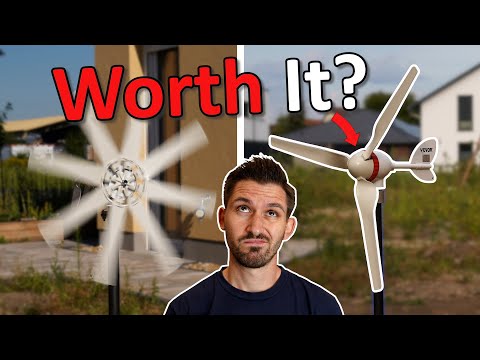
You know that feeling when a strong gust of wind just knocks you off your feet? It’s like nature’s way of giving us a little nudge. Well, what if we could turn that windy energy into something useful, like electricity?
I remember being a kid, watching those giant wind turbines spin and thinking, “How cool would it be to have one of those in my backyard?” Fast forward a few years, and guess what? You can now actually grab home turbine kits! These little wonders let you tap into the wind right at home.
So, let’s chat about harnessing wind energy for education—because who doesn’t love learning with a dash of excitement? Seriously, building your own wind turbine just might be one of the coolest projects you can take on.
Step-by-Step Guide to Building a Windmill at Home for Your Science Project
Building a windmill at home for your science project can be super fun and educational. You’ll not only learn about renewable energy but also get hands-on experience with engineering. So, let’s break this down into bite-sized pieces.
First, you need to gather some basic materials. Here’s what you might need:
- A small DC motor – This acts as the generator.
- A sturdy base – Something like a wooden board or a plastic container works great.
- Bamboo skewers or similar lightweight sticks for blades.
- Plastic bottles or cardboard for creating the blades – Use whatever you have around!
- Wires and a light bulb to show your windmill is working.
After you’ve got everything, it’s time to start assembling. The first step is to make the blades. Think of how a real wind turbine looks; they have long, aerodynamic shapes that catch the wind. If you’re using plastic bottles, cut them in half and then shape them into blades by trimming the edges.
Then, attach these blades to your bamboo skewer. You can poke holes in the bottom of each blade and slide them onto the skewer. Space them out evenly for balance—this is important! Imagine riding a bike with wobbly wheels; it wouldn’t be too smooth, right?
Now comes the fun part! Attach one end of the skewers to your small DC motor’s shaft. Make sure it’s tight enough so it won’t come off when spinning, but not so tight that it can’t turn easily.
Next up, secure this whole assembly onto your sturdy base using glue or tape—whatever sticks well enough. Just think about how it’s gonna stand against the wind; stability matters here!
Once everything is put together, you want to connect the wires from your DC motor to a light bulb (or even better, an LED). This will show that your windmill can convert wind energy into electrical energy when it’s spinning.
Finally, place your fabulous creation outside where it can catch some breeze—or maybe try running around with it on a windy day! That’s right; feel free to give it a little push at first if there’s not enough wind.
Just remember: measuring how much electricity your windmill generates can also be an interesting part of your project! You could use a multimeter if you have one handy.
This whole process brings together art and science beautifully. It’s like crafting while also harnessing nature! You’ll not just end up with a cool model but gain insights into renewable energy solutions too.
So there you have it—a simple way to build something that shows off the power of wind! Enjoy playing around with designs or colors; make it yours and most importantly—have fun experimenting!
Exploring the Viability of Wind Turbines as Sustainable Energy Sources for Schools
Wind turbines, right? You see them popping up everywhere these days, from remote fields to even city rooftops. They’re part of this modern shift towards sustainable energy sources, and schools are getting in on the action too! The real question is: Are wind turbines a viable option for schools looking to harness renewable energy?
First off, what do we mean by “viability”? It’s about whether it’s practical and beneficial for schools to install these turbine systems. So let’s break it down a little.
Cost vs. Benefit: Installing a wind turbine can be a bit pricey upfront. You’re looking at costs for the turbine itself, installation, and maintenance. However, when you consider long-term savings on electricity bills—not to mention potential tax breaks or grants—it starts to sound like a smarter investment. Many schools find that after several years, they save enough on energy costs that it pays off.
Location Matters: Not every school is going to be a suitable spot for wind turbines. Schools located in areas with consistent wind patterns are prime candidates. If your school is in a windy area, congratulations! You might generate enough power not just for the school but maybe even sell some back to the grid if local laws allow it.
Educational Opportunities: Beyond just saving money, let’s talk about education. Imagine students learning about renewable energy by actually observing it in action! Schools can incorporate wind turbines into their science curriculum easily—students can track data like energy production and learn about wind speed, efficiency, and more.
- Hands-On Learning: Schools can engage students through projects related to how turbines work.
- Environmental Awareness: Students become more conscious of their energy consumption and environmental impact.
- Community Projects: Schools that partner with local organizations can foster community engagement and support sustainable practices.
Feasibility Studies: Before jumping into things, it’s wise for a school to conduct feasibility studies. These examine wind speeds over time at the specific location along with cost analyses—they’re kind of like doing your homework before taking the leap!
You know what I think is super cool? Some schools have even involved their students in these studies! A science class might measure how much power their potential turbine could produce over different seasons—real-world math applied right there!
Anecdotal Evidence: Take one school I heard of recently; they installed small home turbine kits as part of their curriculum. Not only did they cut down on energy costs significantly—as much as 50%—but kids got really into the project! They built models, learned coding with software linked to the turbine’s output data… it was an all-around win-win situation.
That being said there are challenges too—like safety regulations or potential noise complaints from neighbors if they live close by—but hey, every good story has its twists and turns, right?
In short (but not too short!), exploring wind turbines as a sustainable energy source definitely holds promise for schools wanting greener solutions. It’s about harnessing nature while teaching our kids valuable lessons about sustainability and responsibility toward our planet.
So yeah, it’s definitely worth considering if your school could be part of this exciting transition towards renewable energy sources! What do you think?
Choosing the Right Turbine Size for Educational Science Projects: A Comprehensive Guide
When you’re diving into wind energy projects, especially with educational kits for home turbines, choosing the right size turbine can really make a difference. It might sound a bit technical, but hang on! We’ll break it down together.
First things first, **what do we mean by turbine size?** It generally refers to the diameter of the rotor blades—the larger the diameter, the more wind it can catch. Imagine running around with a big umbrella on a windy day; you catch more air and get pushed along faster than if you had a tiny one. So, bigger doesn’t always mean better; it depends on your setup.
Here are some key points to consider when selecting turbine size:
- Wind Speed: You need to figure out how windy it is where you’ll be using your turbine. A small, 1 or 2-foot diameter turbine might work well in low wind areas, while larger ones (up to 10 feet) are better for high winds.
- Space: Think about where you’ll set this up. Do you have enough room? You don’t want your neighbors complaining about your “wind farm” in the backyard!
- Power Needs: What do you want your turbine to do? Charging batteries or powering small devices requires different sizes. For instance, a small model might power up lights while larger models could handle bigger gadgets.
- Safety: Bigger turbines can be tricky! If you’re working with children, safety features like strong supports are crucial. An unstable large turbine can become a hazard.
- Cost: Larger turbines generally cost more. Make sure you balance what you need with your budget.
Now let’s think about how all this applies in real life! I remember helping my nephew build a small wind turbine for his school project. We didn’t have much space in his backyard—just enough for a little two-foot model that we made from some old bike parts and PVC pipes. It turned out perfect because there wasn’t enough consistent wind for anything bigger anyway! It also gave him that sense of achievement when he successfully lit up an LED bulb.
You also want to take into account **the materials** used in building these turbines. Lighter materials help smaller models spin easier but can struggle in tough weather conditions—so it’s all about finding that balance between size and strength.
Lastly, if you’re working in an educational context like a school or community center, consider involving students in measuring and even calculating wind speeds over time before settling on one specific design. This way they learn not only about engineering but also get some hands-on experience with physics principles too!
In short, picking the right size for your wind turbine project isn’t just plucking numbers out of thin air—it’s about understanding your environment and needs to guide you through this windy adventure!
You know, when I think about wind energy, it’s kind of like catching a breeze in your hands. It’s invisible, but it has so much potential. There’s something incredibly exciting about harnessing that raw power, especially when you can do it right from your backyard. Home turbine kits are popping up everywhere, and they’re not just cool gadgets; they’re perfect for sparking curiosity and learning.
I remember this one summer as a kid when my dad set up a tiny windmill in our garden. I was probably around eight years old and intrigued by how something so simple could generate energy. Watching the blades spin as the wind picked up was mesmerizing! It felt like magic—like we had harnessed nature itself. That little setup taught me so much about renewable energy without me even realizing it at the time.
With home turbine kits becoming more accessible, you can easily create a mini power station at home. Imagine kids getting their hands dirty, assembling these kits and learning about how kinetic energy turns into electrical energy… That’s real-world science right there! It’s way more engaging than anything you’d find in a textbook. You get to see physics in action—like how the angle of the blades makes a difference or why some spots catch more wind than others.
Plus, these little turbines can teach some important lessons about sustainability. When kids understand that they can generate their own electricity without polluting the environment or depleting resources, it really changes the way they see energy consumption. They’re not just passive consumers of technology; they’re empowered creators!
Of course, teaching with these kits isn’t just about science experiments or building stuff; it’s about instilling values too. You know? Like teamwork and problem solving when working together on projects or even facing challenges head-on when things don’t work out perfectly on the first try—it happens to all of us!
But there’s also this practical side: how cool would it be if kids started thinking about careers in renewable energy? Who knows? Maybe one day they’ll invent the next big thing in green technology because they got inspired by that little turbine kit their parents bought for them.
So yeah, using home turbine kits for education isn’t just fun; it’s like planting seeds for a greener future—literally! It’s where learning meets creativity and curiosity meets responsibility. And honestly? The world could use more of that kind of thinking right now!