You know what’s wild? Not too long ago, we thought the best way to fix a broken bone was to just wrap it up and hope for the best. I mean, can you imagine living in a world where pain was basically shrugged off?
Fast forward a bit, and here we are—wanting to solve everything with science and life-saving tech. It feels like magic, right? The advancements in healthcare through life sciences research are flipping the script on how we treat diseases or even prevent them from happening in the first place!
Seriously, it’s like watching a superhero movie unfold. And let me tell you; those everyday heroes in lab coats are doing some incredible stuff behind the scenes. So let’s take a peek into what’s cooking in this fascinating kitchen of science!
Transforming Healthcare: Key Life Sciences Research Advancements in 2021
In 2021, the world of healthcare saw some amazing strides thanks to life sciences research. I mean, we’re talking about advancements that could totally change how we tackle diseases! Seriously, it’s like watching a dramatic sci-fi movie unfold before our eyes.
One of the biggest highlights was the **development of mRNA vaccines**. You know, the ones that helped us fight COVID-19? These vaccines used messenger RNA to teach our bodies how to recognize and battle the virus. It was a game-changer! Imagine knowing how to prepare for a disease before it even happens. That’s basically what these vaccines did!
Now, let’s chat about **gene editing**, specifically CRISPR technology. In 2021, researchers further explored its potential to not only treat genetic disorders but also combat cancers. Using this tech is kind of like having a pair of digital scissors for DNA; you snip out problematic genes and replace them with something healthier. There have been successful trials in animals showing promise for treating conditions like sickle cell disease.
Then there’s **personalized medicine**, which took huge strides forward as well. Thanks to advances in genomics, doctors can tailor treatments based on your unique genetic makeup! Can you imagine going into a doctor’s office and them saying, “We’ve got just the thing for your body’s specific needs”? That level of customization means better outcomes and fewer side effects—like a tailored suit instead of something off-the-rack.
- Telehealth expansion: The pandemic sped up telehealth services big time! In 2021, more people than ever connected with healthcare providers from home—talk about convenience!
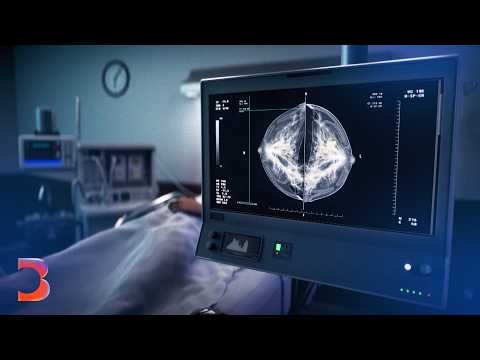
- Artificial Intelligence: AI started making its way into diagnostics. We’re seeing programs that analyze medical images better than some doctors can—it’s pretty wild how computers help identify issues faster!
- Tissue engineering: There were promising developments in creating tissues from stem cells. This could one day lead to growing organs for transplants—imagine not having to wait on long donation lists!
These advances are not just cool; they hold real-life implications for how we treat and prevent diseases moving forward. They give hope not only to patients but also inspire researchers worldwide! I mean, who wouldn’t feel excited knowing that science is pushing boundaries?
The progress made in 2021 had so much potential that it feels like we’re only scratching the surface here. With each advancement comes new hope and possibilities—it really shows what teamwork between researchers and tech can accomplish in tackling some serious health challenges.
The future looks brighter than ever as life sciences continue evolving at an astonishing pace! Can’t wait to see what’s next!
Revolutionary Medical Advances: Key Scientific Breakthroughs from the Last 5 Years
Sure thing! Here’s a breakdown of some major medical advances from the last few years that have really changed the game in healthcare. It’s pretty cool stuff!
Over the past five years, we’ve seen some seriously exciting breakthroughs in medicine that are making waves. They’ve changed how we think about treating diseases, diagnosing conditions, and overall patient care. So, let’s get into it!
1. mRNA Vaccines
The COVID-19 pandemic fast-tracked the development of mRNA vaccines, which are like tiny messengers that instruct your cells to create a part of the virus’ protein. This trains your immune system to recognize and fight off the actual virus if it tries to invade. Pretty nifty, huh? Pfizer-BioNTech and Moderna led this charge, showing us just how quickly science can adapt.
2. Gene Editing with CRISPR
CRISPR technology has been around for a while now but has really ramped up its applications recently. It allows scientists to edit genes with pinpoint accuracy—almost like cutting and pasting DNA sequences! In recent studies, researchers have used CRISPR to tackle genetic disorders like sickle cell anemia and even some forms of cancer.
3. Telemedicine Explosion
This one isn’t exactly “science” in a lab coat but hear me out—telemedicine took off during COVID-19 lockdowns. Basically, people started using video calls for doctor visits which made healthcare more accessible than ever. Now you can get a check-up from your couch! It’s convenient and has helped bridge gaps for those living in remote areas.
4. AI in Diagnostics
You know how sometimes you’re unsure whether you really want an app on your phone? Well, AI is becoming super trustworthy in diagnosing diseases! Algorithms can analyze medical images better than humans in some cases—like spotting tumors on X-rays or MRIs early on. This means quicker diagnosis and potentially saving lives!
5. Personalized Medicine
This concept is all about tailoring medicine based on an individual’s genetics or lifestyle factors rather than using a “one-size-fits-all” approach. Recent developments have enabled doctors to prescribe treatments that fit each patient perfectly. It’s like ordering a custom-made pizza but for your health!
6. Advances in Regenerative Medicine
You might’ve heard about stem cell therapy before; it’s now gaining serious traction! New methods focus on using these cells to regenerate damaged tissues or organs which is huge for conditions like heart disease or spinal cord injuries.
The Bottom Line
The thing is, these breakthroughs are not just isolated events; they’re interconnected pieces of a larger puzzle aimed at improving healthcare outcomes globally. And when you think about it—these advances reflect human creativity and resilience during challenging times.
Soo yeah, science is seriously making life better one discovery at a time! Isn’t it wild what we can achieve when we put our minds together?
Exploring the Impact of Technological Advancements in Healthcare: Innovations Transforming the Future of Science
Alright, let’s talk about how technology is shaking things up in healthcare. Seriously, the changes we’re seeing right now are kind of mind-blowing! With new tools and innovations, the future of science and medicine is looking super exciting.
First off, telemedicine has taken a big leap forward. You know how sometimes you don’t feel like trekking to the clinic just for a quick check-up? Well, video calls with doctors have made that way easier. You can chat with your healthcare provider from the comfort of your couch! Plus, it opens doors for folks in rural areas who might not have easy access to clinics.
Then we have wearable technology. Think smartwatches and fitness trackers that keep an eye on your heart rate or blood sugar levels. This stuff isn’t just for fitness enthusiasts anymore; it’s becoming vital in tracking health conditions. Imagine a situation where your watch detects irregular heartbeats and alerts you before it becomes serious. Pretty cool, huh?
Another fascinating area is artificial intelligence (AI). AI is becoming a game-changer in diagnostics. By analyzing medical images—like X-rays or MRIs—much faster than humans could ever do, AI helps catch diseases earlier. It’s like having a super-smart assistant who never gets tired or needs coffee breaks!
- Gene editing, particularly CRISPR technology, is also making waves. This lets scientists edit genes to fix mutations that cause illnesses. It opens up potential cures for genetic disorders! Seriously, this could change lives.
- Robotics is not just for sci-fi movies anymore! Surgical robots assist surgeons in performing precise operations with smaller incisions. This means less recovery time for patients and reduced hospital stays.
- Your data, yes yours! The rise of electronic health records (EHR) means all your info is stored digitally now. This makes it easier for doctors to access patient history quickly and improve treatment decisions.
If you think about it, these advancements are not just cool tech; they’re lifesavers too. I remember a friend who had to go through multiple appointments just to get diagnosed correctly—so frustrating! Fast-forward to now where AI can help doctors nail down conditions more quickly and accurately.
You see? Technology in healthcare isn’t something out of reach; it’s already reshaping how we approach health problems every day. And as life sciences research keeps pushing boundaries, I bet we’ll see even more amazing innovations coming our way!
The thing is, while these advancements are fantastic, they also come with challenges like privacy concerns and access inequalities. But I’m optimistic that if we tackle those head-on, the future of healthcare will be brighter than ever!
You know, when I think about healthcare advancements, it really blows my mind how far we’ve come, especially thanks to life sciences research. I mean, not too long ago, we were still figuring out what germs were! My grandma often tells me stories about when she was sick as a child. They relied on folk remedies and whatever they could whip up in the kitchen. Imagine that!
Fast forward to today, and it’s like we live in a sci-fi movie. Researchers are peering into our DNA, figuring out how our bodies tick. One thing that particularly stands out is personalized medicine. It sounds super fancy but really just means that treatments are tailored to individuals based on their genetic makeup. So if you have a specific condition, your doctor can choose a treatment that’s way more effective for you than something one-size-fits-all.
And then there’s all this talk about CRISPR technology—like genetic editing on steroids! Scientists can literally snip out genes that cause diseases and replace them with healthier ones. It’s like fixing glitches in a video game; you just go in there and make things right again! It seems almost magical when you think about it.
Then there’s immunotherapy for cancer treatment. It’s such an emotional rollercoaster thinking about those battling cancer and the traditional treatments they’ve endured. Now, doctors have options that use your own immune system to fight the disease. This isn’t just hope anymore; it’s real possibilities for many people.
But here’s where it gets tricky—while all these advancements feel amazing, they also raise questions: Who gets access? How do we ensure ethical practices? You kind of want to cheer for progress but also want everyone to benefit from it equally.
So yeah, life sciences research is changing the game in healthcare every day. When I hear my grandma reminisce about her childhood illnesses now compared to modern solutions available today, it makes me incredibly hopeful—and a bit grateful too—for all the curious minds pushing boundaries so we can live healthier lives.