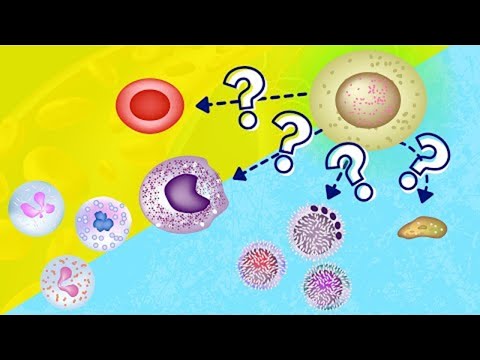
You know what’s wild? Your body is basically a factory. Seriously! It’s cranking out blood cells like it’s nobody’s business. And at the heart of this operation? Bone marrow. Yeah, you heard me right—bone marrow!
Imagine a bustling kitchen where chefs are whipping up meals nonstop, except instead of food, it’s red and white blood cells. Pretty crazy, huh? This gooey stuff inside your bones is like the VIP lounge for all those hard-working cell types that keep you healthy and kicking.
So let’s chat about hematopoietic bone marrow. This is where the magic happens! It’s not just some cozy nook—it’s a vibrant hub filled with all sorts of action. From fighting off infections to carrying oxygen, these blood cells are heroes wearing capes made of hemoglobin.
Stick around as we take a closer look at this unsung powerhouse in your body!
Understanding Hematopoietic Cells: Key Products of Bone Marrow in Hematology
You know, our bodies are like these super intricate cities, and right at the heart of it all is the bone marrow. It is seriously one of the most crucial players in keeping our blood system running smoothly. So, let’s talk about hematopoietic cells. They’re like the VIPs of blood cell production.
Hematopoietic cells are basically the stem cells found in your bone marrow. They are responsible for producing all kinds of blood cells – red blood cells, white blood cells, and platelets. Without them, your bloodstream would be pretty empty and unable to do its job.
First off, let’s break down what these hematopoietic cells actually produce:
- Red Blood Cells (RBCs): These little guys are the main transporters of oxygen throughout your body. Think of them as delivery trucks, bringing oxygen from your lungs to every single cell.
- White Blood Cells (WBCs): This group is like your body’s defense squad. They help you fight off infections by identifying and destroying harmful invaders.
- Platelets: When you get a cut or scrape, platelets rush to the scene to help stop bleeding by clumping together to form a barrier.
So here’s where it gets interesting: (bones) have this spongy stuff inside called bone marrow, where all this magic happens. There are two types of bone marrow: yellow and red. Yellow marrow is mostly fat but can turn into red marrow when you need more blood cells in stressful times like bleeding or illness.
Now picture this – when you’re injured or sick, your body sends signals to your hematopoietic stem cells like “Hey! We need reinforcements!” These stem cells then get the production line rolling—creating more RBCs or WBCs as needed.
One emotional memory that sticks with me is when my grandmother was hospitalized after a surgery. She was so weak due to low hemoglobin levels—a measure related to red blood cell count—and I learned how vital those tiny RBCs are for energy. It really hit me how important hematopoietic cells can be for recovery.
But it’s not just that they create blood; they also have some cool features worth mentioning! Hematopoietic stem cells can self-renew—meaning they can make copies of themselves while also producing different types of specialized blood cells at the same time. Crazy right?
In cases where something goes wrong with these processes—like certain cancers such as leukemia—the balance gets thrown outta whack. The bone marrow might start producing too many abnormal white blood cells instead of healthy ones; it’s pretty serious stuff!
And just recently, science has been experimenting with things like umbilical cord blood which also contains hematopoietic stem cells for transplants! This could open new doors for treatments related to various diseases.
In short—hematopoietic cells totally keep our circulatory system on point! They’re essential not just for day-to-day survival but also during challenges our body faces over time. Keep those little champs in mind next time you think about how incredible our bodies really are!
Understanding Hematopoiesis: The Essential Processes of Bone Marrow, Blood Cell Production, and Connective Tissue Formation in Human Biology
Hematopoiesis is a pretty essential process, you know? It’s basically how your body makes blood cells. And guess where most of this magic happens? In the bone marrow. That spongy stuff inside your bones isn’t just there for support; it’s a bustling factory for blood cell production!
So, what exactly goes down in this bone marrow? Well, it’s all about stem cells. These specialized cells are like the superheroes of blood production. They can turn into three main types of blood cells: red blood cells, white blood cells, and platelets.
- Red Blood Cells: These guys are super important because they carry oxygen to all the tissues in your body. Think of them as little delivery trucks.
- White Blood Cells: They’re the body’s defense squad. When you get sick, these cells spring into action to fight off infections.
- Platelets: When you get a cut, platelets rush to the rescue and help clot your blood to stop the bleeding.
Now back to those stem cells! They’re in a constant state of division and differentiation, changing into specific types of blood cells based on what your body needs at any given moment. Imagine them like workers on an assembly line: each one knows its role and jumps into action when called upon.
You might find it interesting that there are two main types of hematopoiesis: myeloid and lymphoid. Myeloid hematopoiesis creates most of your red and white blood cells as well as platelets. On the other hand, lymphoid hematopoiesis mainly focuses on creating more white blood cells—specifically lymphocytes—which are key players in your immune system.
But hold up! Hematopoiesis doesn’t just happen anywhere in the body. It primarily takes place in the bone marrow during childhood but shifts around as you age. Adults usually find this process happening mostly in flat bones like those in your hips or skull.
Let’s not forget about connective tissue here! Bone marrow is surrounded by connective tissues that provide support and structure to keep everything organized. This is crucial because it helps maintain a comfortable environment for those stem cells while they do their thing.
Oh, and speaking of comfort—there’s something special about how our bodies monitor hematopoiesis too. Hormones like erythropoietin (yeah, it’s a mouthful) signal the bone marrow when it needs to ramp up red blood cell production—like when you’re at high altitudes or have lower oxygen levels.
So next time someone mentions bone marrow or talks about their blood test results, you can totally drop some knowledge bombs on them! Hematopoiesis is truly fascinating stuff that highlights how our bodies work overtime behind the scenes to keep us healthy and active every single day!
Hematopoietic Cell Lineage and Their Role in Platelet Production: A Scientific Exploration
So, let’s chat about hematopoietic cells and how they relate to our superheroes of the bloodstream—platelets. You probably know that blood is pretty important, right? But have you ever thought about how blood cells are made? Well, it all starts in a cozy little spot called the bone marrow.
Hematopoietic Stem Cells (HSCs) are the stars of this show. They hang out in your bone marrow and are like the parents of all your blood cells. Imagine a family tree where one trunk branches out into many different leaves. In this case, HSCs can turn into red blood cells, white blood cells, or those tiny little platelets we’re focusing on.
Now, here’s where it gets interesting! The journey from HSC to platelets involves several transformation steps. The process is called hematopoiesis, which sounds fancy but it just means “making blood.”
First up on the lineage ladder after HSCs are common myeloid progenitor (CMP) cells. These guys can become red blood cells or platelets after a few more steps. When CMPs decide to go for platelet production, they morph into megakaryocyte-erythroid progenitors (MEPs). Sounds cool already, right?
Then comes the superstar itself: the megakaryocyte. This cell is giant! Seriously—it’s like a huge blimp compared to other blood cells. Megakaryocytes have these long arms that stick into the bloodstream. When it’s time for them to do their job, they literally rip off tiny bits of themselves to make platelets! This process is known as thrombopoiesis. It’s like throwing confetti at a party but with super important roles in clotting and healing wounds.
Once released into circulation, platelets hang around waiting for trouble—like when you get a cut or scrape—and then spring into action to help stop bleeding by clumping together and forming plugs at the injury site. Think of them as your body’s little first responders.
The Importance of Thrombopoietin, or TPO, comes into play here too. It’s a hormone that tells your body when it’s time to crank out more platelets or megakaryocytes based on what’s needed at any given moment.
Okay, let’s wrap this up with some key points:
- Bone marrow: The home base for hematopoietic stem cells.
- Hematopoietic stem cells: The progenitors of all blood cell types.
- Megakaryocytes: The big players that create platelets from their own structure.
- Thrombocytopenia: A condition where there’s not enough platelets—which can lead to serious bleeding issues.
- TPO: Signals your body on making more platelets based on need.
So there you have it! Hematopoietic cell lineage isn’t just academic jargon; it’s what keeps our bodies ticking and healing day after day. Next time you think about getting a scrape or cut healed up quickly, remember those little megakaryocytes working hard behind the scenes!
You know, it’s kind of mind-blowing when you think about how our bodies work, right? Like, the way we’re constantly producing blood cells without even noticing. Ever heard of hematopoietic bone marrow? Yeah, it’s basically the heart of blood cell production. Imagine a super busy factory hidden inside your bones!
So, what’s the deal with bone marrow? Well, this sponge-like tissue is nestled in your bones and plays a crucial role in making all sorts of blood cells. We’re talking red blood cells that carry oxygen, white blood cells that fight off infections, and platelets that help with clotting. It’s like a whole little army working together to keep you healthy.
I remember reading about someone who had leukemia—it’s a type of cancer that affects the blood and bone marrow—and how they’d have to go through intense treatments to reset their bone marrow. It was heartbreaking yet inspiring to see them fight through it all! That really made me realize how essential this foundation is for life itself.
And here’s something cool: our body makes trillions of blood cells every day! Like seriously, trillions! The fact that this process happens behind the scenes makes you appreciate your body even more. When you think about it, the bone marrow is like a superhero—always there but often ignored until something goes wrong.
But it isn’t just about creating blood cells; it’s also about maintaining balance. It adjusts itself based on what your body needs at any given moment. If you get injured or sick, your bone marrow ramps up production to help heal you faster. Isn’t that incredible?
It’s pretty wild how interconnected everything is in our bodies. Your bones are working hard without asking for any credit! So the next time you think about your health or feel tired after a long day, take a moment to appreciate that fantastic little factory inside you. It’s doing its job quietly and efficiently so you can go about living your life!