You know that moment when you’re singing in the shower, and you think you sound like a pop star? Well, spoiler alert: it’s usually just the echo making you sound great! But what really makes your voice, well… your voice?
Let’s chat about vocal cords. Those tiny muscles at the back of your throat do a whole lot more than just help you belt out your favorite tunes. They’re like the strings of a musical instrument—tuning them just right can make all the difference.
And here’s the thing: understanding vocal cord anatomy is super cool! It’s wild how something so small can create all those sounds we love. Ever thought about how they work when you laugh or shout? Or how they get tired after a long day of talking?
So pull up a chair, and let’s uncover these little wonders behind our voices!
Exploring the Anatomical Structures Involved in Voice Production: A Comprehensive Analysis in Speech Science
So, let’s chat about something we all have but might not think about a whole lot—our voice! It’s how we express ourselves, share stories, and, sometimes, even sing in the shower. But what really goes into making those sounds? Buckle up—this is gonna be a trip through the anatomy of voice production!
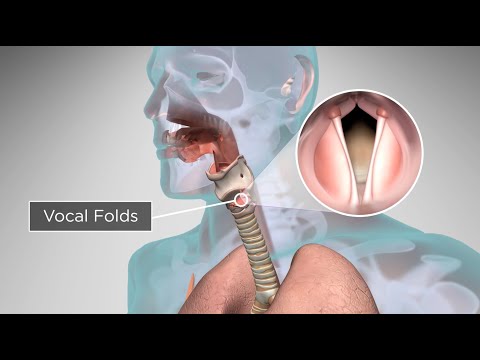
First off, when you talk or sing, your **vocal cords**, or vocal folds to be fancy about it, are doing some serious work. They’re like two little flaps of muscle that sit in your larynx (that’s your voice box). When air from your lungs pushes past them, they vibrate. And boom! That’s how sound starts. Pretty cool, right?
Now, those vibrations need some help to really take shape. That’s where the **resonating chambers** come into play. Think of them as amplifiers for your voice. These include parts like:
- The throat (pharynx) – It acts as a pathway for sound.
- The mouth – This is where you articulate words. Your tongue and lips shape the sounds.
- The nasal cavity – It adds richness to certain sounds.
You may not realize it, but when you speak or sing with different emotions—like when you’re excited or sad—the muscles around these areas change too! This can make your voice sound higher or deeper based on what you’re feeling.
Then there are those **intrinsic muscles** in the larynx that adjust tension in your vocal cords. Imagine trying to create different notes on a guitar by tightening or loosening the strings; it’s kinda like that! These muscles help you control pitch and volume.
What’s interesting is this whole system can be influenced by factors like age and health. For example, as people get older, their vocal cords might thicken or become less flexible. You might notice this if someone suddenly has a deeper voice as they age.
You know what else is wild? Your brain plays a huge role in this process too! When you decide to say something or belt out your favorite tune, signals travel from your brain to coordinate all these muscles working together. It’s an incredible teamwork effort happening every time we use our voices!
So next time you’re chatting with friends or belting out karaoke tunes after a long week—you’ll know there’s so much going on behind the scenes in terms of **anatomical structures** and teamwork that makes it all possible! Isn’t it neat how something so simple has such complex mechanics at play?
Exploring Adele’s Vocal Cord Surgery: Insights into Vocal Health and Recovery in the Field of Medicine
Vocal health can be a big deal, especially for singers like Adele. When she had vocal cord surgery in 2011, it wasn’t just a medical procedure; it was a crucial step to protect her ability to sing. The whole thing reminds us how important our vocal cords are and how we need to take care of them.
What Are Vocal Cords?
So, let’s start with the basics. Vocal cords, or vocal folds as they’re sometimes called, are two bands of muscle tissue in your larynx (that’s your voice box). When you speak or sing, air from your lungs pushes through these cords, causing them to vibrate and produce sound. It’s like blowing across the top of a bottle! If you’ve ever tried that, you know a little bit of magic can come out.
Adele’s Surgery
In Adele’s case, she faced issues due to nodules on her vocal cords. Nodules are basically calluses that form when the cords are overused or strained—think of them as vocal blisters. They can really mess with your voice if you don’t address them. Her surgery aimed to remove these nodules and help her regain her singing voice fully.
- Anatomy Lessons: Understanding how vocal cords work is key here. Each cord is made up of layers—there’s a thin outer layer and several thicker ones beneath it. This layered structure helps in sound production.
- The Healing Process: Recovery from such surgery isn’t just about rest; it’s also about relearning how to use those muscles correctly without straining them again.
- Voice Therapy: Many singers undergo voice therapy after surgery to help retrain their voices safely.
Why Is This Relevant?
When we talk about vocal health, it’s not just for professional singers; it’s for anyone who uses their voice often—teachers, public speakers, even us chatting with friends! The way we care for our voices can greatly affect our quality of life.
That brings us back to Adele—after her surgery and appropriate therapy, she bounced back pretty well! She showed us not only the resilience but also the importance of listening to your body when something feels off.
So yeah, keeping those vocal cords healthy is essential whether you’re belting out tunes in the shower or giving an important speech. You never know when you might need that beautiful sound!
The Role of Vocal Cords in Human Sound Production: A Scientific Exploration
Vocal cords, or vocal folds as some scientists like to call them, are the real MVPs when it comes to sound production in humans. They’re a pair of muscles and tissues located in the larynx, which is kind of like the voice box located at the top of your windpipe. Think about it: every time you talk, laugh, or even sing your heart out, those tiny folds are doing some serious work!
So here’s how it goes down: when you want to make a sound, air from your lungs rushes through your trachea and hits those vocal cords. And what happens next? They vibrate! The speed and tension of these vibrations determine everything from pitch to volume. It’s quite remarkable! If you tighten the cords, you’ll get higher sounds like a flute; loosen them up, and you’ll sound more like a bassoon.
- The anatomy: Each vocal cord is made up of several layers. There’s an outer layer that helps protect them and deeper layers that provide flexibility and strength.
- How we control pitch: You can adjust your pitch by changing the tension in your vocal cords. Ever tried to mimic a cartoon character? That’s exactly what you’re doing!
- The role of resonance: Besides just vibrating, vocal cords work with other parts of your body, like the throat and mouth, to shape sounds. The resonance changes based on how open or closed your mouth is; that’s why we sound different when we shout versus whisper.
Now let me share a little something from my own life. I remember standing in front of my school class for a presentation. My voice trembled at first because I was nervous! But once I took a breath and focused on using my voice properly—by engaging those vocal cords—I felt way more confident as I spoke. It’s amazing how much control we really have over our voices.
Another neat thing is how **singers** train their vocal cords for various styles—from belting out opera notes to crooning softly in jazz clubs. They practice constantly to find that perfect balance between tension and relaxation in their folds to create different tones.
But don’t forget about voice health; overusing or straining those delicate muscles can lead to issues like nodules or even hoarseness. Keeping hydrated helps keep everything running smoothly—like oiling up gears in machinery!
So next time you’re chatting with friends or belting out your favorite song at karaoke night, remember those little folds working hard behind the scenes. It’s a fascinating blend of biology and art all rolled into one sweet serenade!
So, let’s chat about your vocal cords. They’re like these little bands of muscle hanging out in your throat, and they play a super important role when you talk or sing. When I think about it, it’s kind of mind-blowing how something so small can make such a big difference in how we communicate.
You know that feeling when you belt out your favorite song in the car? Maybe you even felt a little off-key but didn’t really care because you were having so much fun—like that one time my friend and I had a car karaoke session. We were totally belting out tunes when suddenly, her voice cracked! It turned into this giddy moment full of laughter. That just goes to show how our vocal cords work—they tighten, loosen, vibrate, and create sound waves that express emotions.
So here’s the deal: your vocal cords (or folds, if we’re getting fancy) sit inside your larynx, which is basically your voice box. When air from your lungs rushes through them, they vibrate and produce sounds. The pitch of those sounds depends on how tight or relaxed they are. Tightened cords create higher pitches; relaxed ones make deeper sounds. Pretty cool stuff!
But what’s wild is that every person has unique vocal cords—just like fingerprints! This means everyone has their own special voice. That’s why when someone walks into a room and calls your name, you can recognize it right away—you can tell who it is just by their voice alone.
Also, have you ever thought about why we sometimes lose our voices? Like after shouting at a concert or catching a cold? Well, this happens when those poor vocal cords get overworked or inflamed. It reminds me of the time I tried to speak over loud music for hours at an outdoor festival and ended up sounding like a croaking frog for days! Talk about frustrating…
So yeah, taking care of your voice is essential—staying hydrated helps keep those little guys happy and functioning properly!
In short, our vocal cords do more than just help us talk; it’s about connection and expression. From silly moments to heart-to-heart conversations, they shape how we relate to others. And isn’t that amazing?