Did you know there are places on Earth where you can literally boil an egg in a hot spring? Yeah, it’s true! Imagine just, like, walking up to a bubbling pool and tossing in your breakfast. Pretty wild, huh?
But here’s the cooler part: those hot springs can actually do more than just steam your eggs. They’re like nature’s own energy drink! Seriously.
Geothermal energy, the kind that comes from these natural wonders, is totally something we should be talking about. It’s clean, it’s renewable, and it’s sitting underneath our feet waiting to be tapped into.
So picture this: powering your home with the heat of the earth instead of fossil fuels. Sounds awesome, right? Well, let me share some insights about harnessing that heat and why it might just be a game changer for sustainable power.
Exploring the Potential of Hot Springs as a Source of Geothermal Energy in Environmental Science
Well, let’s chat about hot springs, shall we? You know, those magical pools of warm water bubbling up from the Earth’s crust. They not only offer a nice place to soak but also play a significant role in geothermal energy. So, what’s the deal with using hot springs for sustainable power?
First off, let’s break it down. Hot springs are basically natural boiling pots where water heated by the Earth rises to the surface. This heat comes from the core of our planet—yep, that fiery center! When you tap into this heat, it can be transformed into energy. Pretty neat, right?
Geothermal energy is often considered one of the cleanest forms of energy because it releases far fewer emissions compared to fossil fuels. Here are some key points about how hot springs contribute to this:
- Direct Use Applications: Hot springs can heat buildings directly or even be used in agriculture for tasks like warming greenhouses. Imagine growing tomatoes in a cozy warm setting even during winter!
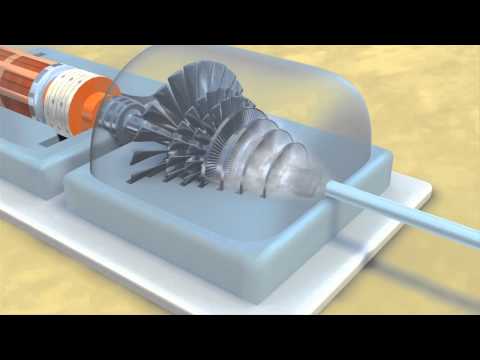
- Power Generation: In places where hot springs are super hot (like around 150°C or more), you can actually generate electricity by using steam turbines.
- Sustainable Source: These systems can run continuously if managed well. The hot water is naturally replenished over time.
- Less Land Impact: Compared to wind or solar farms, geothermal plants take up less land and have a lower visual impact on landscapes.
Now consider this: you might hear about places like Iceland where geothermal energy is heavily utilized. They’ve harnessed their numerous hot springs to provide heating and electricity for many households—how cool is that? It’s a perfect example of how environmental science meets practicality.
While tapping into this energy sounds amazing, it’s not without challenges. For one thing, finding suitable sites can be tricky since not every hot spring has enough heat or water flow needed for effective energy production. Also, there’s that little issue called induced seismicity, which means that drilling and extraction of geothermal resources may cause tiny earthquakes. It’s something scientists keep an eye on closely.
But here’s the exciting part: ongoing research in environmental science continues to explore innovative ways to improve efficiency and minimize risks associated with geothermal extraction from hot springs.
In a nutshell, using hot springs for geothermal energy is definitely promising. It offers a cleaner alternative while exploiting something nature has already gifted us with—you just need to tap into it right! Whether you’re imagining those relaxing moments at a hot spring or thinking about cutting-edge technology harnessing its power, there’s plenty more to discover about our Earth and its hidden treasures beneath us. Like I said before—pretty neat stuff!
Exploring the Limitations of Geothermal Energy: A Scientific Perspective on Its Downsides
Geothermal energy sounds pretty cool, right? It’s all about tapping into the heat from deep inside the Earth. That said, it comes with its own set of challenges and limitations. So, let’s take a chill pill and dig into some of the downsides of this sustainable power source.
First off, geothermal energy is location-dependent. You can’t just put a geothermal plant anywhere. It needs to be near tectonic plate boundaries or hotspots, where the heat is more accessible. This means that not all countries or regions can take full advantage of this resource. For instance, if you live in a place like Kansas, you might be out of luck because it’s not sitting on a geothermal hotspot.
Another thing to consider is the potential for induced seismicity. Yeah, that’s a fancy word for causing earthquakes. When you inject water into hot rocks to create steam for energy, sometimes that can shift things around underground. There’ve been cases where geothermal projects ended up causing small earthquakes nearby. It gives you pause when you think about drilling down there!
Then there’s the issue of water usage. Geothermal plants often rely on large amounts of water for cooling and steam generation. In areas where water is already scarce—say, drought-prone regions—this could become a big problem. Using precious water resources can lead to conflicts with agriculture or local communities trying to survive.
And let’s not forget about emissions. While geothermal has lower greenhouse gas emissions compared to fossil fuels, it still isn’t entirely zero-emission. The process can release gases like sulfur dioxide and carbon dioxide from deep within the Earth. That’s something environmentalists don’t love hearing.
Costs are another concern. Geothermal energy systems can be expensive to install initially. Drilling deep enough to reach those hot spots costs a ton, and if your projections for energy production don’t pan out… well, that’s a big financial hit! It’s kind of like betting on a horse race without knowing if one horse is sick or just having an off day.
Lastly, resource depletion could occur if geothermal sites are over-used without proper management. Basically, if we pull heat out faster than it can replenish (like constantly grabbing ice cream but never letting it freeze again), we might run into trouble down the road.
So yeah, while harnessing geothermal energy seems awesome at first glance—and it totally has its perks—there are some serious challenges we need to tackle before making it our go-to energy source. If we want it to be sustainable long-term, understanding these downsides is crucial!
Exploring Geothermal Energy: The Country Heating 90% of Its Homes Sustainably
Geothermal energy is one of those amazing resources that can heat homes and power facilities sustainably, and honestly, it’s pretty cool when you think about it. Let’s explore this topic, specifically looking at a country that’s really nailing it—like, heating around 90% of its homes with geothermal energy. Spoiler alert: we’re talking about Iceland!
First off, what exactly is geothermal energy? Well, imagine the Earth as a gigantic oven. As you go deeper into the ground, it gets hotter. This heat comes from a couple of places: the natural radioactive decay of materials in the Earth’s crust and leftover heat from when our planet formed ages ago. Basically, all that warmth can be harnessed to heat water, which can then be turned into steam to generate electricity or directly used for heating purposes.
In Iceland, they’ve tapped into this resource in a big way. With their volcanic activity and hot springs scattered across the landscape, they basically have nature’s own heating system right at their doorstep. So how do they do it? Here are some key points:
- Hot Spring Wells: Iceland drills deep into the ground to access hot water reservoirs. Water pumped from these wells can reach temperatures between 90°C to 300°C! That’s like boiling point stuff.
- Direct Use Applications: The hot water goes straight into homes for heating radiators or even warming up swimming pools. Imagine having a comfy warm home in freezing weather without burning fossil fuels!
- Electricity Generation: They also use steam from these geothermal sources to power turbines that generate electricity. Windy days might get the spotlight for renewable energy talks, but here’s where geothermal shines.
- Sustainability: The water taken out is often reinjected back into the Earth after use. This means they keep that heat cycle going without depleting resources—seriously smart thinking!
Now picture this: on any given day in Reykjavik during wintertime, instead of cranking up your heater and worrying about your gas bill soaring through the roof, your cozy space is warmed by geothermal energy that’s been flowing beneath your feet for thousands of years! Feels pretty nifty.
The folks in Iceland aren’t just using this eco-friendly approach themselves; they’re sharing their knowledge too! They contribute know-how to countries interested in developing similar systems. If you think about it, it’s like them saying “Hey! Look at what we did with our hot springs! You can do it too!”
Of course, not every country has access to such hot spots as Iceland does—lucky them! But other nations are jumping on the bandwagon with different types of geothermal systems tailored to their specific needs and geological situations.
So there you have it—a quick look at how one country is making good use of its natural resources while keeping things sustainable and warm! Isn’t it amazing how something as simple as Earth’s internal heat can help us live comfortably without harming our planet?
Hot springs are such a remarkable gift from nature, aren’t they? Just imagine hiking through a forest, feeling that cool breeze on your face, and then suddenly stumbling upon a steaming pool of water bubbling away, like nature’s own hot tub. I remember this one time during a camping trip with friends, we found a hidden hot spring after an exhausting hike. The warm water felt incredible—it was rejuvenating! But hey, that’s just the fun part of hot springs. There’s so much more beneath the surface.
Let’s talk about geothermal energy for a minute. Basically, it comes from the Earth’s internal heat, which is pretty much like tapping into the planet’s natural oven. When it comes to harnessing this heat from hot springs, we’re looking at a sustainable power source that could change how we do energy.
Imagine being able to use boiling water from the Earth to generate electricity! It’s not just about having warm baths anymore; it’s about powering homes and businesses without burning fossil fuels. Pretty neat, right? In places where geothermal energy is harnessed effectively—like Iceland or parts of California—people can enjoy steady electricity and heating without relying heavily on coal or gas.
But here’s the thing: it’s not all sunshine and rainbows. While geothermal power is cleaner than traditional sources, drilling into the Earth creates its own challenges. There’s always that worry about environmental impact and managing resources sustainably so we don’t drain our geothermal wells dry. It requires careful planning and respect for local ecosystems because once you tap into these resources on too large of a scale—it could backfire.
And let’s be real; there are communities around hot springs that rely on them not just for energy but also for tourism and cultural significance. So balancing those needs is crucial—like cooking that perfect meal where all ingredients harmonize instead of competing with each other.
At the end of the day, harnessing hot spring geothermal energy feels like an exciting opportunity for sustainable living. It connects us to our planet in such an intimate way while steering us toward cleaner energy solutions. Who wouldn’t want to tell their grandkids about how we used Mother Earth’s warmth to keep our lights on? The journey ahead could definitely be challenging but also incredibly rewarding if done right!