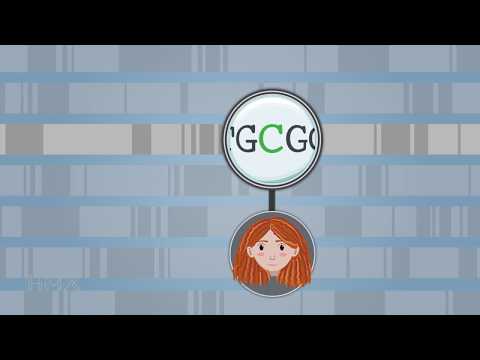
You know that feeling when you finally figure out where you put your keys, but then realize you’ve been stashing them in the fridge? Yeah, that’s how it feels to map the human genome. Seriously, it’s like finding the ultimate cheat sheet for what makes us… us.
So picture this: every single person you meet has a unique code inside their cells. It’s like an incredibly long recipe book that tells your body how to grow hair, digest food, or even why you can’t stop sneezing when spring rolls around.
Mapping the human genome was a massive adventure. Scientists jumped into a world of DNA and genes, trying to piece together this puzzle of life. And, oh boy, it wasn’t just some boring lab work! There were challenges and victories that felt like epic movie scenes.
Let’s chat about how this journey unfolded. You might discover more about yourself than just your love for pizza or why you’re obsessed with cats!
Mapping the Human Genome: A Comprehensive Guide to Genomic Science and Techniques
Mapping the human genome is an exhilarating journey into the blueprint of life. Think of it as unlocking a treasure chest that holds all the instructions for building and maintaining our bodies. This whole process started gaining real momentum in the late 20th century, culminating in a massive project known as the Human Genome Project.
So, what exactly is the human genome? Well, it’s like an instruction manual made up of DNA. DNA itself is structured like a twisted ladder, where each step represents a pair of chemicals called nucleotides—those are your A’s, T’s, C’s, and G’s. Together, these nucleotides form genes, which are the units of heredity that determine everything from your eye color to your risk for certain diseases.
Mapping it means figuring out where all those genes are located in our DNA. This process involves several cool techniques that scientists use:
- Sequencing: This is about determining the exact order of nucleotides in your DNA. They’ve come up with clever ways to read this sequence quickly—like speeding up a very meticulous book reading marathon.
- Bioinformatics: Imagine trying to find a needle in a haystack but instead, you have billions of needles and haystacks! Bioinformatics uses computers to help sift through all that data and find patterns or important information.
- Molecular Cloning: This involves making copies of specific genes so researchers can study them more closely. It’s like having a copy machine for tiny bits of genetic material!
What’s really fascinating is how this mapping can have real-life implications. For instance, by knowing someone’s genetic makeup, doctors can suggest tailored treatments for illnesses based on their unique genetic profile—this is called personalized medicine! How cool is that?
On top of that, understanding our genome helps researchers explore what makes us uniquely human compared to other species. Scientists can compare human DNA with that of chimpanzees or even fruit flies to see what changes led to different traits over millions of years.
I remember chatting with my buddy who was super into genetics—a total geek about it! He told me how learning about his own family’s genetic history gave him insights into potential health issues he might face down the road. Genetic knowledge isn’t just abstract science; it can be personal and deeply significant!
While there’s so much we’ve learned from mapping the human genome already, there’s still tons more out there waiting for exploration—and surprises around every corner! Just think about it: every single one of us has a unique genome full of stories waiting to be told.
So here we are at this incredible point where science has opened new doors through mapping our very own genetic library. The techniques are advancing fast; it’s almost mind-blowing when you consider how only decades ago this was largely uncharted territory! Who knows what new things we’ll uncover next?
Evaluating the Impacts of Human Genome Mapping: Ethical, Scientific, and Societal Perspectives
Mapping the human genome was like opening a whole new chapter in our understanding of what makes us, **us**. It’s this amazing blueprint of our genetic makeup, like finding a treasure map of human biology. But with great discoveries come great responsibilities, right? So let’s talk about the impacts of this journey into genetics.
Ethical Perspectives
First off, ethics are a big deal here. With the ability to read our genetic code comes questions about privacy. Imagine someone knowing everything about your health risks just because they have access to your genome. It can feel pretty invasive! Also, there’s the risk of genetic discrimination. Employers or insurers might want to use this information against you. And that’s just not cool!
Besides that, there are concerns about consent. If someone’s genes are sequenced, what rights do they have over that data? What if they didn’t understand what they were signing up for? You see how blurry these lines can get?
Scientific Impacts
Then you’ve got the scientific side of things. Mapping the human genome opened doors to personalized medicine, which basically means treatments tailored just for you. Think about it: instead of a one-size-fits-all approach to medications and therapies, doctors can now consider your unique genetic makeup before making decisions.
It also helps in understanding diseases better—like pinpointing genetic predispositions to conditions such as Alzheimer’s or certain cancers. Knowing your genetic risks can be lifesaving! However, it doesn’t mean you’re doomed; it just gives people more info on how to manage their health proactively.
Societal Perspectives
Now onto societal impacts. This is where things get even more complex! With all this knowledge floating around, we must think about accessibility and equity. Not everyone has equal access to genetic testing or counseling services. So while some folks may benefit hugely from these advancements, others could be left behind because of cost or location.
Also, there’s the cultural aspect to consider. Different cultures might interpret genetic information differently—some may embrace it while others may view it with skepticism or fear due to historical traumas related to eugenics and discrimination.
So basically, mapping the human genome is like opening Pandora’s box—it’s full of potential but also risks that need careful navigation! We’ve got amazing opportunities for advancing healthcare and improving lives yet serious ethical and societal challenges that keep popping up as we move forward in this uncharted territory.
It makes you think about responsibility too—you know? As we learn more about our DNA and its implications on life itself, we need to ensure it’s used wisely and fairly for everyone involved. The journey’s far from over; it’s evolving every day!
Current Timeline for Human Genome Mapping: Advances and Insights in Genomic Science
Mapping the human genome is like piecing together a massive, intricate puzzle that tells the story of who we are. It’s been quite a journey since the Human Genome Project kicked off in the 1990s, and we’re still uncovering new truths about our genetic makeup. So, where do we stand now? Let’s break it down.
The Human Genome Project was completed in 2003, and that was a groundbreaking moment. Scientists figured out the sequence of about 3 billion DNA bases which make up our genome. But it didn’t stop there! Since then, advancements have accelerated at an incredible pace.
Today, we have next-generation sequencing (NGS), which is like having a super-powered microscope that allows us to see our genes in detail without all the time and cost of older techniques. This innovation has made it cheaper and faster to sequence genomes—so much so that you can get your own genome sequenced for a few hundred bucks! Isn’t that wild?
As of now, we’ve sequenced thousands of human genomes from diverse populations around the globe. This is crucial because genetic variations can differ vastly between groups. You might be familiar with some terms like single nucleotide polymorphisms (SNPs), which are just tiny changes in our DNA that can influence everything from eye color to disease susceptibility.
There’s also exciting research happening in understanding epigenetics, you know? That’s how our environment can influence gene expression without changing the actual DNA sequence. Things like diet and stress can impact how genes behave—pretty mind-blowing stuff!
Another key insight comes from studying structural variations within genomes. These are larger changes like deletions or duplications of DNA segments that might contribute to various health issues or conditions. By mapping these variations, researchers hope to pinpoint genetic risk factors for diseases such as cancer or heart disease.
So what’s coming next? Well, scientists are working on refining techniques to do even more personalized medicine based on your individual genome. Imagine doctors being able to tailor treatments specifically for you based on how your genes react to certain drugs! That’s not just science fiction; it’s becoming a reality.
Also, ethical implications are becoming more prominent as we learn more. How do we protect people’s genetic information? What happens if companies start using this data for profit? Those questions aren’t easy but they’re essential as we move forward.
In summary, we’ve come a long way since the first days of the Human Genome Project thanks to innovations like next-generation sequencing and emerging fields such as epigenetics and structural variation studies. We’re closer than ever to harnessing this knowledge for better health outcomes while navigating complex ethical landscapes along the way. It’s an exciting time in genomic science, wouldn’t you say?
Mapping the human genome, wow, what a journey it’s been! You know, it’s kind of like putting together a gigantic jigsaw puzzle, but this one is all about what makes you, you. Imagine being in a lab with scientists who are staring at DNA sequences like they’re trying to decode some ancient text. It’s thrilling!
Back in 2003, after years of hard work and collaboration from scientists all over the globe, we finally got the complete map of the human genome. That’s like finding a treasure chest filled with secrets about who we are. But it wasn’t just about discovering where every gene sits on the DNA strand; it was about understanding ourselves as humans.
I remember reading about how this mapping project began. Picture a group of nerdy yet passionate scientists arguing over coffee breaks about which parts of the genome were significant. They had different opinions but shared one common goal: to unlock the mysteries hidden in our genes. It’s kind of touching when you think about it—these brainiacs working together for something that’s bigger than themselves.
Now that we have this map, things have changed dramatically! We can look at variations in our genes that could lead to conditions like heart disease or diabetes. And that’s powerful! Like when my friend discovered she had a genetic predisposition for something her family has struggled with for generations—she felt both relieved and anxious at once. It’s emotional to think how knowledge can influence our lives and choices.
But with great power comes great responsibility, doesn’t it? We’re stepping into territories we’ve never gone before—like ethical considerations around genetic editing or privacy issues regarding whom we share our genetic info with. It’s all part of an ongoing conversation that gets more complex every day.
Anyway, mapping the human genome isn’t just science; it’s a journey filled with curiosity and wonderment about our shared humanity. It’s like holding up a mirror to ourselves while trying to figure out who we truly are beneath the surface. And honestly? That’s pretty amazing!