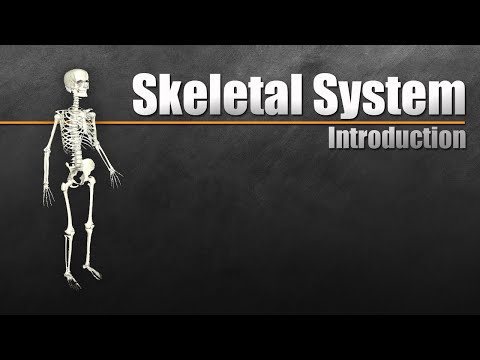
You know that moment when you accidentally trip over your own feet? Yeah, I had one of those last week. I went tumbling down the stairs, and it got me thinking about bones.
I mean, without our skeletal framework, I’d be a blob on the floor instead of just a little embarrassed! Seriously though, our skeletons are like the unsung heroes of our bodies. They do so much more than just hold us up.
Did you ever notice how many cool shapes and sizes our bones come in? Each one tells a story about who we are and how we move through life. From tiny little fingers to massive thigh bones, they’re all part of this intricate map we call the human body.
So, let’s chat about these bony structures. They’re not just for structure; they’re packed with surprises! You’ll see how understanding our skeleton can give us an amazing glimpse into our health and history. Buckle up; it’s gonna be a fun ride!
Exploring Structural Frameworks in Human Anatomy: The Science Behind Body Organization
Sure, let’s take a closer look at the amazing way our bodies are put together! You know, when you think about it, the human body is like a complicated puzzle. Each piece fits perfectly with the others to form a solid shape—this shape starts with our **skeletal framework**.
First off, let’s talk about what this skeletal framework actually is. It’s made up of bones, which provide structure and support for your entire body. Imagine trying to stand up or move around without bones! Ouch! The human skeleton has around **206 bones** in adults. Yep, that’s right!
The main roles of this framework include:
- Support: Bones give your body its shape and hold everything in place.
- Protection: Bones like the skull protect your brain, while ribs shield your heart and lungs.
- Movement: Muscles are connected to bones via tendons. When muscles contract, they pull on bones to make you move.
- Mineral Storage: Bones store minerals like calcium and phosphorus, which are super important for various bodily functions.
- Blood Cell Production: Inside some bones is bone marrow where red and white blood cells are produced.
So how do these bones all fit together? Well, your skeleton can be divided into two main sections: the *axial skeleton* and the *appendicular skeleton*. The axial part includes your skull, spine, ribs, and sternum—basically everything central in your body. The appendicular section consists of all the limb bones: arms and legs. This setup allows flexibility while still giving essential structural support.
It’s pretty cool when you think about it—your body can withstand a lot thanks to this design! But here comes an emotional angle: picture a moment when you did something incredible with your body—a dance performance or maybe just running after a friend. All that movement was possible because of how well-structured your skeleton is. It’s almost like having an internal superhero suit!
Let’s not forget about joints! They’re key players too because they connect those sturdy bones together. Think of joints as little hinges that help you bend or rotate parts like elbows or knees.
Now onto how all of this fits into understanding human anatomy overall. Studying our skeletal framework helps scientists learn about various things—like how injuries heal or why certain conditions happen as we age. Understanding structure means better health solutions for everyone.
So next time you stretch those arms or wiggle those toes, remember: there’s so much going on beneath the surface! Your skeletal framework isn’t just there; it’s a fascinating system that supports everything you do every single day.
Understanding the Skeleton Framework: Its Significance and Applications in Scientific Research
Alright, let’s chat about the **skeleton framework** and why it matters in scientific research. You know, when you think about the human body, it’s pretty wild how everything connects. The skeleton isn’t just these random bones hanging out; it’s a complete framework that gives our bodies shape and support. But there’s a lot more going on here.
First off, the skeleton is made up of 206 bones in adults. Crazy, huh? These bones do more than just hold us up; they protect vital organs like your heart and lungs. That’s why we can play sports or even just walk around without worrying too much about smashing our insides.
Now, let’s talk significance—why should you care? Well, the skeleton framework plays a huge role in understanding human biology. Scientists can map out how bones grow and heal to learn about diseases like osteoporosis or arthritis. This helps doctors figure out better treatments for their patients.
Applications of the Skeleton Framework
So, where does this come into play? Here are some key areas where scientists are using this skeletal knowledge:
- Forensics: When a crime happens, investigators can analyze skeletal remains to identify victims or understand what took place.
- Anthropology: By studying ancient skeletons, researchers get insights into past human societies and their health.
- Biomedical Research: Testing new treatments for bone diseases often involves studying how cells behave in different parts of the skeleton.
- Aging Studies: Understanding skeletal changes over time helps us learn more about aging and its effects on our bodies.
And here’s an interesting bit: when you break a bone, your body goes through a pretty amazing healing process! It forms new bone tissue to patch things up—it’s kind of like nature’s very own construction crew. But if that process goes wrong due to diseases affecting the skeletal framework? Now we’ve got all sorts of complications to deal with.
Think of it this way—the **skeleton framework** isn’t just a bunch of bones glued together. It’s an intricate network that supports everything from muscle attachment to organ protection. Scientists use advanced imaging techniques like MRIs or CT scans to visualize this complex structure in real time! Pretty high-tech stuff for sure.
So yeah, next time you think about your skeleton, remember it’s not just there for decoration—it’s doing heavy lifting behind the scenes in so many fields! Understanding it opens doors to improving health and seeing how we humans fit into the bigger picture. And that’s a serious win-win!
Understanding the Framework of the Human Skeletal System: A Comprehensive Guide for Biological Science
Sure thing! Let’s talk about the human skeletal system. It’s like the framework of a house, but, you know, way cooler and more complex. Seriously, your skeleton supports you, gives shape to your body, and protects those squishy organs inside.
First off, our skeletal system is made up of **206 bones** in an adult. Yeah, you heard that right! But kids have more—about **270 bones** at birth—because some of them are still fusing together as they grow. Isn’t that wild?
Now, let’s break down the major parts of the skeleton:
- Axial Skeleton: This part includes the skull, vertebral column (your spine), and rib cage. Think of it as the core structure that holds everything together.
- Appendicular Skeleton: This includes all the bones in your limbs and the pelvic girdle. Basically, it’s what lets you move around and do cool things like dance or kick a soccer ball.
Each bone isn’t just a dead weight; they’re living tissue! They’re made up of cells called osteocytes embedded in a matrix of collagen fibers and minerals like calcium phosphate. That’s what gives bones their strength.
Now here comes something fascinating: bones are constantly remodeling themselves. Like every day! Old bone tissue gets broken down by cells called osteoclasts while new bone is formed by osteoblasts. This is important because it helps repair damage and maintain bone density as we age.
You might not realize this, but bones are also involved in mineral storage. They hold onto calcium and phosphorus—two crucial minerals for various bodily functions—like keeping your heart beating properly or helping your muscles contract when you want to pick up that ice cream cone!
Let’s chat about joints for a sec since they’re like the glue holding those bones together so you can actually move without falling apart. There are different types:
- Ball-and-Socket Joints: These are super flexible; think shoulders and hips.
- Hinge Joints: These only move back and forth like doors; hello elbows and knees!
- Pivot Joints: These let one bone rotate around another; for example, where your neck meets your skull.
And then there’s cartilage—the stuff that cushions your joints so they don’t grind against each other when you run or jump around like a maniac.
Now for an emotional anecdote: I remember watching my younger sibling learn how to ride a bike. At first, they wobbled everywhere! But once they got their balance down—it was pure magic! Their legs moved thanks to their skeletal muscles working in unison with their skeleton. That synergy is literally what gets us from A to B.
Lastly, we can’t forget about **bone health** because if our skeleton isn’t strong, it can lead to problems later on—like osteoporosis (when bones become weak). That’s why it’s important to get enough calcium from foods like milk or kale and keep active with weight-bearing exercises!
So yeah, understanding this skeletal framework isn’t just for biology nerds; it’s pretty relevant for all of us as it plays such an essential role in how we live our lives daily!
You know, the human body is like this incredible puzzle, and if you think about it, the skeleton is, in a way, the framework that holds it all together. Imagine your favorite action figure or doll—you can’t really pose them without that internal structure. Well, it’s kind of the same for us!
I remember being in a biology class back in high school and seeing this massive model of a skeleton hanging from the ceiling. It was a little creepy at first—like it was watching me—but it also sparked this intense curiosity. I mean, we often think of our bones as just… well, bones. But really, they’re so much more than that! They tell a story about who we are.
When we map out the skeleton, we’re revealing not just our physical form but also a bit of our history. Each bone has its own journey; some are strong and dense while others are light and delicate. There’s something almost poetic about how they evolve over time too. For instance, did you know newborns have around 300 bones? As they grow up, some of those fuse together to form 206 bones in adults! It’s like nature’s little way of tidying up.
And get this—our skeletal framework does more than just support us and keep us standing tall; it’s alive! Bones are constantly renewing themselves through a process called remodeling. Old bone is broken down by cells called osteoclasts while new bone is formed by osteoblasts. So even though you feel like you’re just sitting there typing away on your computer, your bones are hard at work!
But mapping out our skeletal structure isn’t just for science nerds like me—it’s vital for medicine too! Understanding how everything fits together helps doctors treat injuries or diagnose diseases better. When you think about it that way, those patterns and connections in our skeleton can literally save lives.
So yeah, next time you look at an x-ray or catch a glimpse of your reflection and notice your frame… remember there’s so much more hiding beneath the surface than what meets the eye! Each curve and joint tells part of your story; they remind us that we’re all part of something much bigger than ourselves. It kinda makes you appreciate every little aspect of what keeps us ticking—or should I say moving?