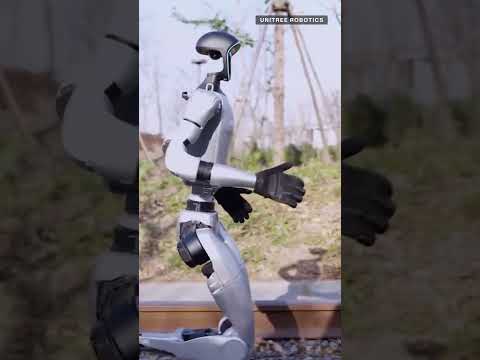
So, picture this: you’re at a science fair, right? Excited kids buzzing around, experiments popping off, and then—boom! A humanoid robot struts in and starts cracking jokes. Seriously!
These machines are changing the game in how we engage with science and technology. No more boring lectures or dry textbooks.
Imagine having a chat with a robot that can explain complex topics while doing the robot dance. It’s wild!
They’re not just cool to look at; they’re making science relatable. It’s like having your buddy who’s super into tech, but instead of just talking your ear off, they actually help you understand things better.
Let’s dive into how these nifty humanoid robots are transforming the way we connect with the wonders of science and tech.
Transforming Engagement in Science: A Comprehensive Review of Humanoid Robots in Technology
So, humanoid robots are pretty cool, right? I mean, they’ve been popping up more and more in our lives, and they’re not just there to look futuristic. They’re actually changing the game when it comes to how we engage with science and technology! Imagine walking into a lab or a classroom and instead of seeing just textbooks or screens, you encounter a robot that can actually interact with you. Sounds fun!
What are humanoid robots? Well, these are robots designed to look and behave like humans. They can move around, respond to your voice, and some even show emotions! Since they mimic human behavior, it makes interacting with them feel more natural. Remember playing with dolls as a kid? It’s kind of like that but way more advanced!
Now let’s talk about how they’re transforming engagement:
- Interactive Learning: Humanoid robots can be programmed to teach things in an exciting way! They can answer questions in real-time or demonstrate scientific concepts right before your eyes. This process turns learning into a hands-on experience.
- Accessibility: Not everyone has access to quality science education. Human-like robots can fill gaps by bringing resources into underserved communities. Imagine kids in remote areas getting lessons from a bot—that’s amazing!
- Social Skills Development: For folks who might struggle with communication, like those on the autism spectrum, these robots provide a safe space to practice social interactions without judgment. It’s like having a buddy who’s always ready to chat!
- Data Collection: When humanoid robots interact with people during educational activities, they can collect valuable data on how individuals learn. This info helps educators tailor their approaches for better outcomes.
- Cultural Understanding: Some humanoid bots are designed specifically for cultural education! They can present facts about different cultures through stories or role-play scenarios. You get both tech and storytelling—how cool is that?
So here’s an interesting story: There was this one time a school brought in a humanoid robot named “Nao” for students struggling with math. At first, the kids were all giggles and curiosity—who doesn’t want to hang out with a robot? But as Nao started asking them math problems in fun ways—like counting candy bars—their anxiety melted away. By the end of the week, those kids were solving equations without even realizing how much they’d learned!
It’s worth noting though that while these advancements sound great, there are still challenges to consider. For instance:
- Cultural Sensitivity: Not every design fits every culture perfectly; some might not resonate well across different backgrounds.
- Cost: Developing and maintaining these sophisticated machines isn’t cheap! Schools sometimes struggle to afford them.
- User Comfort: Some people might find interacting with a robot uncomfortable or unnatural at first; it takes time to adapt!
In summary—humanoid robots have this unique ability to make science engaging and accessible for so many people! As technology evolves, who knows what kinds of interactions we’ll be able to have? So keep your eyes peeled because this field is buzzing with potential possibilities—it could seriously transform the face of education one robot at a time!
Future of Domestic Robotics: When Can We Expect Robots in Our Homes?
When we think about domestic robots, we often picture a futuristic scene—maybe a robot serving us coffee or vacuuming our floors while we just chill. But seriously, how close are we to actually living with these robots? Well, let’s break it down.
First off, the technology behind robotics is evolving super fast. Just a few years ago, the idea of having a humanoid robot that could help out around the house felt like something out of a sci-fi movie. Now, with advances in AI and machine learning, robots are getting smarter every day. They’re starting to understand and respond to human commands in ways that were unheard of before.
You know how your smartphone recognizes your voice? Robots are getting there too! They’re learning to recognize different voices and adapt their behavior based on who’s talking to them. Imagine telling your robot to start dinner or play music for you—pretty cool, huh?
Now let’s chat about affordability. Right now, some robots can be pretty expensive. Think about robotic vacuum cleaners like Roomba—they’re awesome but might not fit everyone’s budget. But as technology improves and becomes more widespread, prices will likely drop. In just a few years, having a robot buddy at home might be as common as owning a microwave.
There’s also the question of capabilities. Some robots today can perform simple tasks like sweeping or cooking basic meals. But what if they could go further? Some companies are working on robots that can help care for the elderly or assist people with disabilities. This is huge because it could change lives in really meaningful ways.
But it’s not all rainbows and sunshine. There are still worries about safety. We want these machines to be smart enough to not accidentally run into your pet or knock over your favorite lamp! Developers are doing their best to make sure they’re safe for everyday use.
So when will you see a robot in your home? Well, experts suggest we might start seeing more advanced household robots within the next 10-20 years, depending on how quickly technology progresses and society adapts to it. It’s exciting but also kind of daunting!
In summary:
- The technology is rapidly advancing.
- Voice recognition is improving.
- Prices may decrease over time.
- Capabilities are expanding beyond simple tasks.
- Safety remains a priority as development continues.
As time goes by, more households may find themselves welcoming robotic companions into their lives. Who knows? You might have one helping you out before you even know it!
Goldman Sachs 2025 Report: The Future of Humanoid Robots in Scientific Innovation
So, let’s chat about the whole idea of humanoid robots, especially in the context of the Goldman Sachs 2025 Report. You know, when we think about robots that look like us, it isn’t just about them being cool gadgets. There’s a lot of buzz around how they might change the game for scientific innovation.
Humanoid Robots: What Are They?
Basically, humanoid robots are designed to mimic human shape and behavior. Imagine a robot that can walk on two legs, talk, and even express emotions. They can help in various fields—like healthcare or education—by providing assistance or sharing knowledge in ways humans can relate to.
Impact on Scientific Innovation
According to that report from Goldman Sachs, these robots could really amp up engagement in science and technology. So, the thing is, they’re not just for sci-fi movies anymore!
- Engagement with Research: Think about conferences where a humanoid robot could present research findings. How cool would that be? Presenting data through an engaging personality might grab attention better than a standard PowerPoint.
- Enhancing Education: In classrooms or labs, robots could help students experiment and learn hands-on. Imagine having a robotic assistant guiding you through complex scientific concepts—it’s like having your own personal tutor!
- Crisis Response: In urgent situations like natural disasters or pandemics, humanoid robots can assist researchers by handling tasks that are too risky for humans. They can gather data or even provide support to scientists in remote locations.
Anecdote Time!
I remember seeing this video once of a robot teaching kids about space exploration. The kids were totally enraptured! It made learning so interactive; they were asking questions as if this robot was their buddy instead of just some machine. That kind of connection is exactly what we need more of.
The Future Landscape
Moving forward, it seems pretty clear that as these technologies develop, we’ll see more integration into our everyday lives. But it’s not all smooth sailing—there are ethical considerations too.
- Job Displacement: Some people worry these robots might take jobs away from humans. That could be tough in areas like education and healthcare where personal touch matters.
- Privacy Concerns: With intelligent machines gathering lots of data about us to tailor their interactions better, where do we draw the line on privacy?
All in all, beefing up our scientific innovation through humanoid robots is super promising! It opens doors to new ways of learning and engaging with tech while pushing boundaries in research—exciting stuff ahead!
Humanoid robots, right? They sound pretty sci-fi, don’t they? But here we are, in a world where they’re not just in movies. They’re actually popping up in science and tech engagement, like a friendly face at a science fair. I remember once visiting a robotics expo, and there was this robot that looked so human-like. It even had this quirky smile that made it feel kind of personal. I actually found myself chatting with it! Sure, it was programmed to respond in specific ways, but it felt cool to interact with something that could mimic human expressions and emotions.
So, how do these humanoid robots shape the way we connect with science? Well, for starters, they break down barriers. You might think of science as all dry labs and complicated formulas (yawn), but when you throw in a robot that’s designed to explain concepts or engage kids in fun experiments? Game changer! Imagine kids looking at this shiny robot breaking down the laws of physics while doing a little dance. They’re laughing, thinking critically—suddenly science feels approachable!
And then there’s the whole aspect of education. Many schools are now incorporating these bots into their curriculums. Picture a classroom where instead of just reading about ancient civilizations, students interact with a humanoid robot that simulates an ancient philosopher teaching them about ethics or mathematics. Isn’t that kind of exciting? It takes learning straight outta the textbook and into reality.
But there’s more to it than just engaging students or making learning fun. These robots can also help those who struggle with traditional learning methods—like kids on the autism spectrum who might find social interaction challenging. Having a humanoid companion can ease their anxiety during social tasks or presentations.
Of course, there are concerns too—like job displacement or ethical implications around how we treat these machines versus real people. It’s like walking on an interesting yet delicate tightrope where we must balance advancements with responsibility.
Anyway, seeing how these humanoid robots can step up our engagement with science and technology makes me hopeful about the future. They’re not just cold machines; they can spark curiosity and inspire new generations to explore careers in STEM fields. So yeah, while they might seem weirdly futuristic now, they could be the bridge getting us all closer to understanding this amazing world around us!