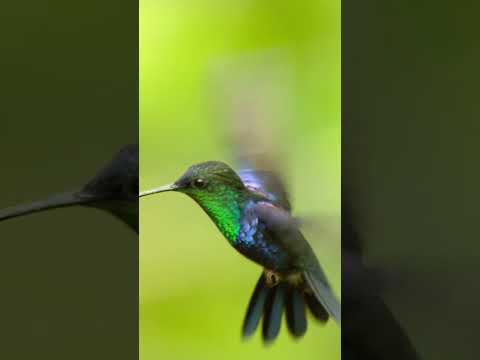
You know what’s wild? Hummingbirds can flap their wings about 80 times a second! I mean, that’s like a tiny helicopter buzzing around your backyard.
If you’ve ever seen one up close, it’s like watching a little piece of magic. They zip in and out, hover in mid-air, and drink nectar like it’s the best smoothie ever!
But here’s the kicker—there’s so much more to these little dynamos than meets the eye. Their behaviors are not just cute; they’re packed with surprises that show off how smart and adaptable they really are.
So sit tight as we dive into some of the most fascinating things these feathered gems do in nature. Seriously, you’re gonna love this!
Exploring Unusual Hummingbird Behaviors: Insights from Avian Behavioral Science
Hummingbirds are like the acrobats of the bird world. They zip around, hover in mid-air, and dash off in a blink! But it’s not just their flying skills that are remarkable; their behaviors can be pretty surprising too. Let’s explore some of the unusual things these tiny birds do.
One of the most fascinating behaviors is their mating ritual. Male hummingbirds often perform aerial displays to attract females. They’ll fly up high and then dive down, making a kind of swooshing sound with their wings. It’s like an aerobatic show just for love! These displays can be quite elaborate and are crucial for male competition.
Another oddity is their feeding strategies. Hummingbirds are known to visit dozens of flowers a day, but they can also exhibit territorial behavior over food sources. You might see them fiercely defending a patch of blooming flowers against other birds, even those that are much larger than them! They use aggressive posturing and rapid flights to ward off competition.
- Memory: Did you know these little guys have amazing memories? They can remember the locations of individual flowers and how long it takes for each flower to refill with nectar. This ability helps them maximize their feeding efficiency—pretty smart for such small creatures!
- Sipping Techniques: Hummingbirds drink nectar using their specialized tongues. It’s not as simple as sticking out a tongue; they actually like flick it rapidly in and out to lap up the sweet liquid. Some scientists say it’s like using a spoon to sip soup!
- Social Behavior: While many think that hummingbirds are solitary, they can also display social behaviors. For instance, small groups have been observed engaging in cooperative feeding at abundant nectar sources or even sharing defense responsibilities.
If you’ve ever watched them at feeders, you might notice how they interact with one another too. Sometimes they seem to recognize familiar faces—or rather, familiar feathers—and react accordingly! It’s almost like they have their own little neighborhood dynamics going on.
The migration patterns of hummingbirds add another layer to their intriguing behaviors. Some species travel thousands of miles between breeding and wintering grounds! Their sense of direction is incredible—they use landmarks and possibly even the Earth’s magnetic fields to navigate.
You know what else? Some researchers have found that certain species can learn from each other when it comes to finding food sources or adapting migratory routes! It’s like passing down survival tips from one generation to another.
You might think all this is just pure instinct, but some studies suggest there’s more cognitive complexity involved than we previously thought. Scientists wonder how much these creatures actually think about their surroundings and interactions!
So next time you spot one flitting about or hovering near your garden flowers, take a moment to appreciate all those quirky behaviors packed into such a tiny package. There’s way more going on in the world of hummingbirds than meets the eye!
The Scientific Reasons Behind Hummingbirds’ Fascination with Humans: Understanding Their Behavior
Hummingbirds are small, but they pack a big punch in the world of wildlife. Maybe you’ve seen one flitting around your backyard, wings humming like a tiny helicopter. Their vibrant colors and incredible speed make them captivating to watch. But there’s more to the story when it comes to their interactions with humans.
First off, these little guys are naturally curious. Hummingbirds have excellent vision, which allows them to spot movement from a distance. When you’re out in your garden or hanging around with a feeder, any sudden movements can catch their eye. And let’s face it, who wouldn’t be intrigued by something that looks different? They might even come closer just to check you out!
Then there’s their love for sweet stuff – and who doesn’t love a good sugary treat? Hummingbirds primarily eat nectar from flowers, but they also enjoy insects for protein. When you fill up a feeder with sugar water, it’s like setting up an all-you-can-eat buffet! The scent of the sugar mixes with the natural fragrances in your garden, making it hard for hummingbirds to resist coming over for a snack.
You might be asking yourself why they prefer certain feeders over others. Well, it turns out that hummingbirds are also creatures of habit. If they find a reliable food source, like your feeder filled with sugar water, they’ll return again and again until they know it’s empty or gone. This means if they think you’re part of the food equation, they’ll become familiar and maybe even comfortable around you.
Now here’s where it gets interesting: some species have been known to develop unique behaviors when interacting with humans. For instance, many hummingbirds can recognize individual people! That’s right; they can remember who feeds them and may even develop a kind of bond. It reminds me of the time I sat still on my porch while one hovered just inches from my face—like he was checking me out! It felt personal, as if we shared this little moment together.
And let’s not forget about their territorial nature! Male hummingbirds can be fiercely protective of their feeding spots. If you’re in their territory (and let’s be honest—you probably are if you’ve got flowers), they might swoop down to show who’s boss! This is part of what makes them such dynamic creatures; witnessing their bursts of energy gives us insight into how fiercely they live life.
Another factor is adaptability. Hummingbirds can change their feeding habits based on environmental conditions. For example, if certain flowers aren’t blooming or if competition increases from other birds or insects, they’ll look around for alternatives – including our feeders! So when you see them buzzing near you in spring or summer months, they’re likely keeping tabs on what’s available.
To wrap it all up: Hummingbirds’ fascination with humans isn’t just about us being intriguing creatures ourselves – although we’re not too shabby! It’s about curiosity sparked by movement and familiarity bred through repeated visits to food sources we provide. They dance through life at breakneck speeds while reminding us how wonderful nature really is. Next time you see one hovering nearby, take a moment; appreciate that connection—it’s special!
Discover the Science: 10 Fascinating Facts About Hummingbirds and Their Unique Adaptations
So, you want to know more about those amazing little creatures called hummingbirds? Well, you’re in for a treat! These tiny birds have some seriously mind-blowing adaptations and behaviors that make them stand out in the bird world. Here’s the scoop on hummingbirds and what makes them so unique.
1. Small but Mighty: Hummingbirds are among the smallest birds on the planet. Some species weigh less than a nickel! Can you imagine being that light? These little guys pack a punch despite their size.
2. Incredible Wing Speed: They can flap their wings up to 80 times per second. That’s right! It’s like they’re always in fast-forward mode. This rapid wing movement is what gives them that unique hovering ability, letting them sip nectar while staying perfectly still.
3. The Ability to Hover: Speaking of hovering, hummingbirds can do this thanks to their unique figure-eight wing motion. It allows them to stay in one spot, making it easier to feed on flowers without flapping around like crazy.
4. High Metabolism: These birds have an extremely high metabolism because of how active they are. They need to eat about **twice their body weight** in nectar each day just to keep up with their energy needs!
5. Color Vision Extraordinaire: Hummingbirds can see colors that we humans can’t, like ultraviolet light. This means they can spot flowers that may look plain to us but are actually vibrant and full of delicious nectar for them.
6. Migration Champions: Some species undertake amazing migrations, traveling over 500 miles non-stop across the Gulf of Mexico during migration seasons! Imagine flying so far without stopping for a snack!
7. Unique Feeding Behavior: They don’t just rely on nectar; hummingbirds also consume small insects and spiders for protein because they need more than just sugar for energy—like miniature superheroes!
8. Territorial Creatures: Many hummingbird species are quite territorial, especially males during mating season. They’ll defend feeding areas aggressively from other birds; it’s like a tiny aerial showdown!
9. Heart Rate Like No Other: Their heart rate can soar up to 1,200 beats per minute!. To put that in perspective, our hearts beat around 60-100 times per minute at rest, so these guys are pumping like crazy all day long.
10. AUnique Nesting Style: Hummingbird nests are tiny—about the size of a half-dollar—often using plant down and spider silk for construction materials, making them flexible and comfy for their eggs.
So there you have it! Hummingbirds aren’t just pretty faces with dazzling colors; they’re fascinating creatures with incredible adaptations that help them thrive in nature—foraging and competing just like any other animal out there! Next time you see one buzzing around your garden or at a feeder, hopefully you’ll appreciate all these little wonders behind those cute wings!
Hummingbirds are pretty much like nature’s little marvels. I mean, have you seen one in action? They buzz around with this frenetic energy, zipping from flower to flower like tiny jewels darting through the air. There’s something almost magical about how these birds can hover in place and perform those crazy rapid wingbeats, which can be up to 80 times a second! It’s wild to think about how they manage that without crashing into everything.
One of the coolest things about hummingbirds is their incredible metabolism. They need to eat, like, all the time! Their hearts beat super fast—often over 1,200 beats per minute when they’re in flight. That means they burn through energy quicker than you can say “nectar!” To keep going, they consume nectar from flowers and will literally visit hundreds of them in a single day. Can you imagine waking up every morning needing an endless buffet of sugar just to keep your energy up? It’s a full-time job for them.
And then there’s the whole courtship dance. Male hummingbirds get all flashy and colorful when it comes to wooing their mates. They puff out their feathers and sometimes even perform aerial acrobatics that would put Olympic gymnasts to shame! It’s kind of sweet, really—like watching a romantic comedy unfold in fast motion.
You know what really gets me though? Hummingbirds have incredible memories. They can remember which flowers they’ve visited and when they need to come back to find more nectar. It’s not just instinct; it’s like they have this little brain map stored away for later use! So if you ever see one just hanging out at a feeder or flying around your garden, there’s a good chance it knows exactly what it’s doing and where it needs to go next.
Thinking about all this makes me appreciate how interconnected everything is in nature. You see these vibrant little creatures flitting about, but behind that simple act of feeding or flirting lies a whole world of fascinating adaptations that help them survive. And as we learn more about them through science—whether it’s studying their migratory patterns or understanding how they navigate using Earth’s magnetic fields—we’re reminded of just how amazing life on this planet can be.
So the next time you spot a hummingbird whizzing by, take a moment to soak it all in because there’s so much more happening beneath the surface than meets the eye! Honestly, it feels pretty humbling to witness such beauty and complexity wrapped up in something so small.