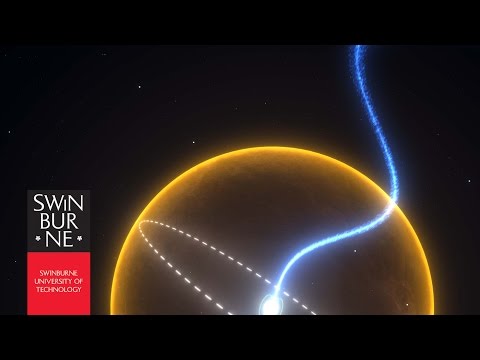
So, picture this: you’re lying under a starry sky, trying to count how many stars you can see. You get to about ten, and then you just kinda give up because—seriously—there are like billions up there!
That’s the thing about astrophysics. It’s all about those faraway stars, galaxies, and even black holes. But it’s not just for the nerdy scientists in lab coats. It’s for all of us!
You know what’s wild? Modern astrophysics is peeking into the universe’s secrets and unraveling mysteries that we’ve wondered about for ages. It’s like having a cosmic detective on the case! Plus, there’s this awesome movement to share that knowledge with everyone—not just the folks who can recite Pi to a hundred decimal places or own telescope gear worth thousands.
In a way, it bridges the gap between complex science and everyday curiosity. So yeah, let’s chat about how modern astrophysics is playing a big role in making science accessible and fun for everyone!
Exploring Elon Musk’s Academic Background: Does He Hold an Astrophysics Degree?
So, let’s break this down. When people talk about Elon Musk, they often jump to his impressive resume—CEO of SpaceX and Tesla, founder of Neuralink, and all that jazz. But what about his academic background? Does he really hold a degree in astrophysics? Well, the answer is a bit more nuanced than you might think.
First off, Musk does not actually have a formal degree in astrophysics. He studied at the University of Pretoria for a brief time before moving to Canada to attend Queen’s University. After that, he transferred to the University of Pennsylvania. There, he earned two degrees: one in physics and another in economics. So while he has a strong background in physics—which is definitely related—he’s never completed a dedicated program specifically for astrophysics.
Now, you might wonder why this even matters. Well, it’s all about how people perceive expertise. Just because Musk doesn’t have an astrophysics degree doesn’t mean he doesn’t have knowledge or drive when it comes to space-related projects. His ability to innovate and push boundaries often overshadows traditional educational paths.
In his case, you see that his understanding of physics plays a huge role in the work at SpaceX. Although he may not have the specific title of “astrophysicist,” working on projects like reusable rockets involves plenty of complex physics principles that overlap with what astronomers study.
But here’s where it gets interesting—and frankly inspiring too! It demonstrates that academic routes aren’t always linear or necessary for success. Many innovators find their way through hands-on experience or self-taught studies instead of sticking completely to formal education systems.
More broadly speaking, when we discuss modern astrophysics and its role in scientific outreach, having figures like Musk can help bridge gaps between complex science topics and public interest. People are often excited by personalities like him who connect tech and exploration with everyday life. It becomes easier for folks who might not be scientists themselves to engage with astronomy or space travel simply because of someone they admire.
In summary:
- Musk’s degrees: He holds degrees in physics and economics from the University of Pennsylvania.
- No astrophysics degree: Elon Musk does not have a formal degree specifically in astrophysics.
- Practical knowledge: His physics background supports his work at SpaceX.
- Broader impact: Figures like Musk can inspire interest in science among the general public.
So next time you hear someone mention Elon Musk and astrophysics together, remember this: It’s not just about titles; it’s about passion and pursuit!
Exploring the Impact of Astrophysics on Daily Life: Practical Applications in Science
Astrophysics might sound like a field reserved for the big brains in lab coats, but it actually touches our everyday lives more than you might think. Seriously, the advancements in this area of science ripple through to tech and innovations we use all the time.
First off, let’s talk about GPS technology. Ever wonder how your phone knows exactly where you are? It’s all thanks to satellites orbiting Earth. These satellites rely on principles of astrophysics to provide pinpoint locations. They use relativity, and yeah, Einstein is totally lurking there! If the physics were off by even a tad, your navigation could lead you astray – like ending up in a cornfield instead of that cool concert!
Then there’s weather forecasting. The tech that collects data from satellites helps meteorologists predict weather patterns. Those big weather balloons and radar systems also borrow concepts from astrophysics, allowing us to plan our days better. Who hasn’t checked the weather app before planning a picnic?
Let’s not forget about our beloved communication technologies. The way we send signals through space to reach phones and internet is linked back to astrophysical principles. Remember when you binge-watched that series over Wi-Fi? Well, it’s using concepts rooted in how light travels through space—crazy!
Astrophysics also plays a role in medical imaging. Techniques like MRI (Magnetic Resonance Imaging) leverage ideas from physics and materials science derived from understanding cosmic phenomena. So when you’re getting checked out at the doctor’s office, thank those brilliant astrophysicists for making it possible!
And here’s something cool: the development of clean energy technologies. Many advances come from studying stellar phenomena—like solar energy systems inspired by how our sun produces energy through nuclear fusion. The idea isn’t just staring at stars; it’s actually lighting up homes.
Imagine sitting under a clear night sky, gazing at those stars twinkling above you. That connection we feel with each other and the universe can inspire curiosity. When people share their excitement for discoveries in astrophysics during outreach programs or science fairs, they’re sparking interest in young minds.
So basically, just by living life day-to-day—watching TV shows, using maps on our phones or chatting with friends—we’re interacting with the wonders of astrophysics without even realizing it. It’s like magic hiding behind science!
Exploring Modern Astrophysics: Enhancing Scientific Outreach and Public Engagement
Modern astrophysics is, like, a supercool blend of science and curiosity about our universe. You know, at its core, it’s all about understanding the stars, galaxies, black holes, and even the stuff that connects them—dark matter and dark energy. So when we talk about enhancing scientific outreach and public engagement, it means making this awesome field accessible to everyone. Seriously!
Astrophysics can seem intimidating at first. I remember staring at the night sky as a kid, wondering what those twinkling dots were. But there’s something magical about sharing that wonder with others. Imagine organizing a community stargazing event where you help people spot constellations or identify planets! That’s the kind of face-to-face connection that brings science right into our lives.
One great way to enhance outreach is through interactive exhibits. These are not just displays; they can include everything from virtual reality experiences to hands-on models. Like, have you ever tried building a model of the solar system? It’s one thing to read about planets in a book but quite another to see their relative sizes and distances illustrated physically!
Another key point is using social media platforms. People spend loads of time scrolling through their feeds—it’d be smart to use those platforms for engaging discussions on astrophysics! Sharing cool facts or live streaming Q&A sessions can spark interest. Have you seen those TikTok videos where scientists explain complex topics in under a minute? It’s amazing how many minds can be opened up with just a simple video!
Plus, educational programs in schools play a huge role too. Imagine introducing kids to astrophysics through fun experiments or field trips to observatories. When kids see telescopes up close or get involved in space-themed projects, it really sticks with them! They might even end up wanting to become astronomers someday.
We also gotta talk about diversity in STEM fields. Getting more voices and perspectives involved makes the science richer! There are initiatives aimed at reaching underrepresented groups in scientific fields—making sure everyone has access to learning opportunities related to modern astrophysics.
Of course, let’s not forget about collaborations between scientists and artists. Seriously! Art can make complex ideas visually appealing and relatable. Picture an art installation based on black holes! It could evoke emotions while educating visitors on how they function.
Engagement doesn’t stop at events or social media; there’s also the power of podcasts and YouTube channels dedicated entirely to astrophysics topics. Those platforms allow enthusiasts from all around the world—as well as experienced scientists—to share stories and knowledge in an informal setting.
Well, look at it this way: modern astrophysics isn’t just for experts locked away in labs anymore; it’s for everyone! By enhancing outreach efforts and fostering public engagement, we can inspire countless people out there who are looking up at the night sky with wide eyes—just like I used to do as a kid. Whether through community events, interactive experiences or digital platforms—the mystery of space belongs to all of us!
Astrophysics, man, it’s like the ultimate cosmic adventure! Imagine standing under a clear night sky, staring at all those twinkling stars. Each one has a story to tell, and that’s where modern astrophysics comes in. It’s not just about crunching numbers and fancy equations; it’s really about unlocking the universe’s mysteries and sharing that excitement with everyone.
You know, I remember the first time I saw a comet streak across the sky during a summer camp. Everyone was buzzing with energy, pointing and gasping in awe. That mix of wonder and curiosity is exactly what astrophysics sparks in people—especially kids! It’s all about making those distant galaxies feel closer to home. When scientists break down complex ideas into relatable stories or visuals, it creates this bridge between the known and the unknown. Just like when you hear about black holes or dark matter; they might sound intimidating at first, but with a bit of storytelling magic, they become captivating topics instead of just textbook jargon.
And outreach? Oh man, it’s so vital! Scientists can’t sit in their labs forever; they need to connect with folks outside those walls. Imagine all those minds bursting with creativity—not every kid dreams of being an astronaut, but what if they could understand how space impacts our daily lives? Like how satellites help us track weather patterns or even connect us through GPS systems! It’s relevant stuff that opens up conversations.
Social media has changed the game too. One tweet or TikTok video can ignite interest in someone who never thought science was for them. Those quick bursts of information can be surprisingly powerful. If you can get someone to think “Wow! I didn’t know that!” it might just plant a seed for future explorations.
But there’s also this challenge we face—ensuring that all this information isn’t just noise in an already loud world. It needs to be accurate yet accessible; not everyone can dive into heavy scientific texts filled with equations immediately. That means finding that sweet spot where education meets engagement.
So yeah, modern astrophysics isn’t just about studying the universe—it’s like sharing a cosmic love story! It invites everyone along for the ride: from enthusiastic school kids to curious adults looking for inspiration after long days at work. If we keep nurturing that curiosity through outreach efforts—who knows what discoveries await? The stars aren’t so far away after all!