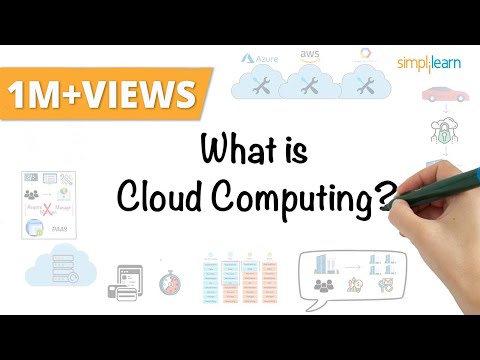
So, the other day I was trying to explain cloud computing to my grandma. You know, the one with a flip phone? I said, “Imagine if all your old family photos were stored in a magical place in the sky.” She looked at me like I’d just invented time travel!
But here’s the thing: cloud computing isn’t about fluffy white things up there. It’s actually a game changer for scientists and researchers. By storing data and running programs online, they can collaborate from anywhere—like having a party where everyone brings their own dish!
And it’s not just about crunching numbers. Seriously, it’s reshaping how we do research and connect with people. Imagine sharing discoveries instantly with someone halfway across the world. Wild, huh?
So let’s chat about how these cloud models are shaking things up in science and outreach. You might be surprised at what’s going on behind the scenes!
Understanding Cloud Computing Models: A Scientific Perspective on Modern Data Management
Cloud computing, like, really changed the way we handle data. You know? It’s like having a virtual office up in the sky where you can store files, run applications, and access services from anywhere. Seriously, it’s made things super flexible!
So, what are the models of cloud computing? They mainly fall into three categories: Infrastructure as a Service (IaaS), Platform as a Service (PaaS), and Software as a Service (SaaS). Each one serves its own purpose.
IaaS is kind of like renting servers. You get virtual machines that can run any operating system you prefer. If you’re running scientific simulations or big databases, this is your go-to choice. Imagine working on climate models or genetic data analysis without needing to buy expensive hardware yourself!
Then you have PaaS. This one’s for developers who want to build applications without worrying too much about the underlying infrastructure. It gives you everything from tools to storage. Like, if researchers are working on a new app to track health data during clinical trials, PaaS could help them focus on coding instead of managing servers.
SaaS, on the other hand, provides ready-to-use software over the internet. Think Google Docs or Dropbox! For scientists collaborating on research papers or sharing datasets with their teams across different countries, SaaS makes it easy and efficient.
But wait! There’s more to think about when using cloud models in scientific research and outreach.
- Scalability: Need more power? Just scale up! You can adjust resources based on project demands.
- Collaboration: Teams across continents can work together seamlessly via shared platforms.
- Sustainability: Because you’re not running physical servers yourself all the time, there’s less energy waste.
You follow me? It’s not all sunshine and rainbows though. There are challenges too! Security is a biggie; sensitive data must be properly protected when residing in these vast virtual spaces.
For example, consider how genetic data needs stringent privacy controls while being analyzed in cloud services—there’s a lot at stake! Data breaches could mean serious consequences for patient confidentiality.
Another thing folks often worry about is vendor lock-in. Once you’ve invested time and resources into one provider’s ecosystem, switching providers later can feel like pulling teeth. You might end up stuck if you’re not careful!
So when we look at cloud computing models from a scientific standpoint—like its implications for research collaboration or outreach initiatives—the benefits generally outweigh these concerns if done right.
To wrap it all up: Cloud computing is reshaping how we manage modern data in research fields. With IaaS providing heavy lifting capabilities, PaaS simplifying application development, and SaaS offering user-friendly software solutions—that flexibility opens up new possibilities every single day!
Unlocking Insights: The Role of Biological Research in Advancing Cloud Computing Solutions
Biological research and cloud computing might seem like two separate worlds, but they actually have a lot in common. The beauty of biology lies in its complexities, and cloud computing thrives on handling massive data sets efficiently. So, how do these two fields connect? Let’s break it down.
First off, biological research generates huge amounts of data. Think about all those genes being sequenced or the staggering number of proteins being studied. This is where cloud computing steps in as a game changer. Instead of getting bogged down with storage issues or processing power limitations on personal computers, scientists can store and analyze their data using the cloud. It’s like having a supercomputer at their fingertips!
You might be thinking, “Okay, but why does it matter?” Well, consider this: when researchers study diseases or look for new treatments, they need access to vast repositories of information. By using cloud platforms, they can collaborate across borders in real time. Imagine scientists from different countries working together on the same project without ever meeting face-to-face! This level of collaboration pushes science forward at lightning speed.
Here’s another cool thing: bioinformatics is all about analyzing complex biological data using algorithms and statistical tools. Cloud computing provides the necessary infrastructure to run these intensive computations without crashing under pressure. This means researchers can run simulations or model biological processes more effectively.
But it doesn’t stop there! Machine learning is also making waves in both fields. By leveraging large datasets stored in the cloud, researchers can train algorithms that help predict outcomes based on existing biological data. Picture this: you’re researching cancer treatment options and analyzing patient histories from multiple studies stored online—this helps you identify patterns that could lead to breakthroughs.
Moreover, let’s not forget about sharing insights with the public and other scientists alike! With cloud-based platforms, anyone interested can access valuable research findings quickly and easily. It democratizes knowledge—amazing, right? No more waiting for journals to publish articles; if it’s on the cloud, it’s pretty much available instantly.
In summary:
- Cloud computing stores massive amounts of biological data.
- Researchers collaborate globally without physical barriers.
- Bioinformatics benefits from enhanced processing capabilities.
- Machine learning uses cloud data for predictive modeling.
- Research becomes accessible for public knowledge sharing.
At the end of the day, merging biological research with cloud computing unlocks doors we didn’t even know existed! The synergy between these domains not only speeds up discoveries but also promotes a culture of openness and collaboration that benefits everyone involved—scientists and society alike!
Exploring the 4 Types of Cloud Computing: A Scientific Perspective on Digital Infrastructure
So, let’s chat about **cloud computing**! You might’ve heard the term tossed around a bit, and if you’re anything like me, it can all sound a little fuzzy. But once you get the hang of it, it’s actually pretty neat. Basically, cloud computing lets you use computer resources like storage and processing power over the internet instead of relying solely on your own hardware. Sounds cool, right? There are four main types of cloud computing that people usually talk about: Public, Private, Hybrid, and Community clouds. Let’s break them down!
Public Cloud
Alright, first up is the **public cloud**. Picture this: big companies like Amazon or Google have massive data centers filled with servers just waiting for you to tap into them! They offer services over the internet to anyone who wants to use them. Think of it like renting a room in a huge hotel—lots of services and no upkeep necessary on your part. It’s cost-effective and super flexible because you only pay for what you use.
Private Cloud
Next is the **private cloud**. This one’s more exclusive—imagine a cozy cabin in the woods just for your family or close friends. With a private cloud, organizations keep their data on dedicated servers that only they can access. It’s much safer for sensitive information because you control everything! Companies often go this route when they need more security or compliance with regulations.
Hybrid Cloud
Now we get to the **hybrid cloud**, which is kind of like having the best of both worlds! It combines public and private clouds so organizations can keep sensitive data secure while still enjoying the flexibility of public resources when needed. For example, during peak times when more computing power is needed (like during an online sale), businesses can quickly ramp up their usage from public resources without abandoning their private setup.
Community Cloud
Lastly, let’s talk about the **community cloud**. Think of this as sharing among neighbors—or maybe even sharing a garden plot! Here, several organizations with common concerns (like security or compliance) create a shared infrastructure managed by themselves or third parties. It’s beneficial because it spreads out costs while still addressing specific needs.
So there you have it—the four types of cloud computing are public clouds open to all users, private clouds reserved just for one organization, hybrid clouds that mix both worlds together, and community clouds tailored for groups with shared interests!
In scientific research and outreach especially, these models can make accessing powerful computational resources way easier. Just imagine scientists collaborating from different locations using shared community clouds to analyze complex data sets together in real-time.
It’s wild how these digital infrastructures are changing how we work—it reminds me of how my old elementary school still had those overhead projectors set up while now everyone’s zooming ahead with digital solutions! So yeah—cloud computing keeps evolving just like everything else around us; it’s exciting to think about where it’s headed next!
Cloud computing. Just saying it kind of makes you think of fluffy white things in the sky, huh? But seriously, it’s not just about those cute puffy clouds above us. In the world of scientific research and outreach, cloud computing is like that magical friend who shows up to help you out when you’ve got a massive project on your plate.
So picture this: you’re a scientist working on groundbreaking research and your data is piling up. You’ve got spreadsheets, videos, possibly an avalanche of information coming in from different sources. If you’re stuck on your personal computer or even a small lab server, it feels a bit like trying to fill a bathtub with the faucet barely open—frustrating! That’s where cloud computing swoops in. It’s like having an unlimited pool where you can dump all that data without worrying about it overflowing.
There are basically three main models in cloud computing: infrastructure as a service (IaaS), platform as a service (PaaS), and software as a service (SaaS). I know, sounds techy! But stay with me! IaaS is about renting space and power online. Imagine no longer having to wrangle with physical servers—it’s like upgrading to a bigger backpack for all your science gear! PaaS gives you tools to develop apps without dealing with nitty-gritty infrastructure stuff—think of it as having all your crafting supplies organized so you can just create! And then, you’ve got SaaS which includes software applications hosted online—kind of like getting your favorite ice cream delivered right to your door instead of making it yourself.
When we talk about scientific outreach using these tools, it’s even cooler. Let’s say you want to share research findings with the public or fellow scientists across the globe. Cloud platforms let you host webinars or interactive presentations without breaking a sweat or spending hours setting everything up. Can you imagine how exciting it must be for researchers to share their breakthroughs live?
And here’s where the emotion kicks in: there’s something really heartwarming about knowing that through cloud technology, knowledge can spread faster than ever before. I once attended an online lecture from researchers halfway around the world who were unraveling mysteries in climate science. Their enthusiasm was infectious! I could sense their passion through my screen—not just delivering information but also inspiring all of us to care more about our planet.
Still, there are challenges too—privacy concerns and data security issues can give anyone pause! It’s crucial for researchers to navigate this landscape carefully because scientific integrity matters more than anything else.
In short, cloud computing isn’t just another tech jargon; it’s reshaping how we do and share science today. So next time you hear “cloud,” think beyond just some pretty shapes up there—it might just mean brightening the future of research and how we connect with one another through knowledge sharing! Neat, right?