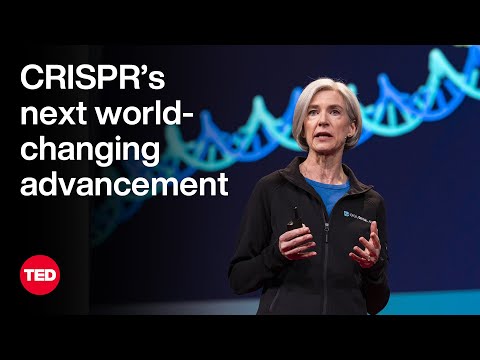
So, picture this: you’re at a party, right? Everyone’s chatting, and someone brings up gene editing. You suddenly remember that time in high school biology class when you thought genes were just those tiny things that make you tall or give you curly hair. Well, turns out they can be a bit more exciting than that!
Now, let’s jump into this awesome tech called CRISPR. Seriously! It’s like scissors for DNA. Imagine having the power to snip out unwanted traits or even fix genetic diseases. Sounds like sci-fi, huh?
Advancements in something called IDT CRISPR are taking things to a whole new level. It’s not just about cutting; it’s about precision and creativity in gene editing. How cool is that?
Stick with me here—this journey through modern genetics is wild and full of potential. You’re gonna want to hear about all these breakthroughs, trust me!
Exploring the Latest Advancements in CRISPR Technology: Transformations in Genetic Research and Biotechnology
So, CRISPR! It’s like the Swiss Army knife of genetic research. You know? It’s this super cool technology that lets scientists edit genes, almost like using a word processor to fix typos in a document. So let’s break down what’s happening with this amazing tool and how it’s changing the game.
What is CRISPR?
Because I’m guessing you want to know before we dive into all the advancements. Basically, CRISPR stands for “Clustered Regularly Interspaced Short Palindromic Repeats.” Sounds fancy, right? But it’s just a part of the bacterial immune system that scientists have hijacked for gene editing. They figured out how to use it to identify and cut DNA in living organisms.
How does it work?
Alright, picture this: you have a specific piece of DNA you want to edit or even replace, like fixing that annoying error when you’re typing text on your phone. Scientists design something called a guide RNA, which tells CRISPR where to go on the DNA strand. Then, CRISPR makes a cut at that spot—kind of like snipping that pesky line out.
Latest Advancements
Now let’s talk about some big breakthroughs that are making waves lately:
- Increased Precision: There have been improvements in getting CRISPR to act more accurately. Think of it as having an even sharper pair of scissors—less chance of accidentally cutting away something important.
- Base Editing: This new technique allows scientists to change one DNA base directly without making cuts. Instead of snipping and stitching back up, they can now just re-write single letters in the genetic code.
- Prime Editing: A newer cousin to traditional CRISPR. This one’s like magic! It can find and replace sequences with much greater accuracy than before—reducing errors and unwanted changes.
- Agricultural Applications: Farmers are becoming interested too! Changing crops at the genetic level means we can create more resilient plants or even ones that require less water or pesticides.
And seriously, I’ll always remember when I saw these stunning videos showing genetically modified plants flourishing under harsh conditions where traditional crops would fail miserably. It felt hopeful!
Safety Concerns
Of course, with great power comes great responsibility—or at least concerns! There are worries about off-target effects when editing genes and what those changes could mean for ecosystems or human health. Scientists are working hard to make sure their edits don’t create unintended consequences.
The Future Looks Bright!
The potential applications are massive: from treating genetic disorders to revolutionizing agriculture and maybe even tackling things like climate change through bioengineering plants better suited for shifting conditions.
So there you have it! From tiny bacteria helping us edit our DNA like pros to groundbreaking advancements pushing boundaries in biotechnology—CRISPR is shaping our future in ways we still can’t completely wrap our heads around yet! Isn’t that awe-inspiring?
Revolutionizing Gene Editing: The Impact of CRISPR on Modern Science
CRISPR is like that new tool in the toolbox that everyone’s buzzing about. It stands for “Clustered Regularly Interspaced Short Palindromic Repeats”—yeah, quite a mouthful, huh? Basically, it’s a revolutionary way to edit genes. Think of it as a pair of scissors for DNA.
Instead of altering entire organisms with older methods, CRISPR allows scientists to make precise cuts in the genetic material. This means changing one little part of a gene without messing with the whole thing. Imagine trying to fix just one typo in a long book instead of rewriting the whole volume! And that’s just super cool.
Here’s how it works: scientists use an enzyme called Cas9, which acts like those scissors we mentioned earlier. You send in a piece of RNA that guides Cas9 to the exact spot where you want to make changes. It’s accurate and efficient, saving both time and resources compared to traditional methods.
Now, let’s chat about some practical applications. CRISPR is being tested for treating genetic disorders like sickle cell anemia or cystic fibrosis—two really tough diseases where even small gene changes can have big impacts on health. The idea is that by correcting these gene mutations, we could potentially cure these diseases.
And guess what? It’s not just humans who benefit from it! Agriculture is seeing a boost too. Scientists are using CRISPR to create crops that are resistant to pests or droughts without introducing foreign genes. This means healthier plants that use less water and can thrive even when conditions get tricky.
But hold on; with great power comes great responsibility—right? There are ethical questions swirling around CRISPR applications. Editing human embryos? That’s a hot topic! Would it lead to designer babies or unintended consequences in our species? It raises eyebrows and sparks discussions about morality in science.
Also, as far as research goes, big strides have been made with IDT (Integrated DNA Technologies) pushing boundaries further with custom-made CRISPR solutions. They’re all about making sure scientists have what they need to explore this technology safely and effectively.
In conclusion—wait, did I just say that? I meant let’s wrap this up by saying the potential of CRISPR is huge but needs cautious navigation through ethical waters while keeping an eye on safety and efficacy standards. So keep your ears perked up; this stuff could change our future dramatically!
IDT CRISPR Protocol: A Comprehensive Guide to Genome Editing Techniques in Molecular Biology
So, let’s chat about the whole CRISPR thing, especially when it comes to that IDT CRISPR protocol you mentioned. It’s one of those advancements that really changed the game in molecular biology. You know how gene editing sounds like something out of a sci-fi movie? Well, it’s pretty much reality now.
First off, CRISPR stands for “Clustered Regularly Interspaced Short Palindromic Repeats.” Sounds fancy, right? But basically, it’s a technology that allows scientists to make precise changes to DNA. Think of it like using scissors to cut and paste pieces of genetic material.
What makes IDT (Integrated DNA Technologies) stand out is their focus on providing tools for researchers that make this kind of editing easier and more efficient. With their protocols, the aim is to enable scientists to target specific parts of DNA and alter them with high accuracy.
Now, let’s break down some key components used in this process:
- Guide RNA (gRNA): This little guy is like a GPS for CRISPR. It guides the Cas9 protein (the actual cutting tool) to the right spot on the DNA.
- Cas9 Protein: This is the enzyme that does the cutting. Once it reaches the targeted DNA sequence, it makes a precise cut.
- Donor DNA: If you’re looking to not just cut but also replace or add new pieces of DNA, this donor strand serves as a template for repair after cutting.
The protocol generally involves designing your gRNA based on your target sequence. Then you mix it with Cas9 and any donor DNA if needed. This whole cocktail is then introduced into cells—think of it as sending in your crew to do some remodeling.
One thing that always blows my mind about CRISPR is how versatile it is! Scientists can use these techniques to study diseases, improve crops for better yield or even explore potential therapies for genetic disorders. For example, researchers are looking at ways to edit genes linked with conditions like sickle cell anemia or cystic fibrosis.
However, it’s not just magic and sparkles; there are some ethical considerations here too. Editing genes isn’t something we should take lightly—especially when thinking about heritable changes in embryos or potential impacts on ecosystems if applied carelessly.
Anyway, back to the nuts and bolts: once you’ve done your editing work using an IDT CRISPR setup, you’ll need ways to check if everything went according to plan. This could involve sequencing the edited regions or using other analyses which confirm that your intended changes were made successfully without unwanted side effects.
While this all sounds super complex—and trust me, I get how overwhelming science can be sometimes—it really boils down to understanding that at its core, CRISPR offers us an incredible toolkit for biological discovery and advancement.
And that’s basically the gist of what an IDT CRISPR protocol aims at! It’s a wild ride into tweaking life at its most fundamental level—funny how something so small can have such massive implications!
You know, when you think about the world of genetics, it almost feels like a sci-fi movie sometimes. Like, who would have thought we’d be able to edit genes as easily as changing a sentence in an essay? That’s where CRISPR comes in, and it’s been making waves for a while now.
CRISPR, which stands for “Clustered Regularly Interspaced Short Palindromic Repeats” (yeah, that’s a mouthful), is basically a tool that allows scientists to make precise changes to DNA. It’s like having an eraser and pencil combo for genetic material! The cool thing is that researchers have been pushing boundaries with this method, especially with advancements in something called IDT CRISPR.
So, IDT CRISPR focuses on improving the ways we can target and edit specific genes. Imagine you’re trying to fix a typo in your text message—IDT helps scientists hit the right spot without messing up everything else. This has huge implications for health care and agriculture. Think about how cool it would be if we could edit out genetic diseases or enhance crop resilience!
Once, I read about this little girl who had a genetic disorder. Her story was heartwarming but also heartbreaking. She struggled so much because of her condition, but researchers were exploring ways to help families like hers through gene editing. It really struck me how personal all this science can get.
But let’s not forget that with great power comes great responsibility. Editing genes raises tons of ethical questions—like who gets to decide what traits are desirable? And what are the long-term effects? So while we’re celebrating these advancements, there’s also this need to tread carefully and think things through.
In the end, advancements in IDT CRISPR show us just how far we’ve come. They open up possibilities we once only dreamed about. Yet they remind us how essential it is to balance innovation with careful consideration of our actions’ impacts on lives and ecosystems alike. Wouldn’t it be wild if these tools could change the landscape of medicine in just a few years? Well… fingers crossed!